
Visit the ruins of Sayhuite (or Saywite), located right off the road between Cusco and Abancay, if you’re in the hunt for mystifying ruins.
Sayhuite will open up your imagination as to how the ancient people of these landscapes might have understood their reality.
What is Sayhuite?
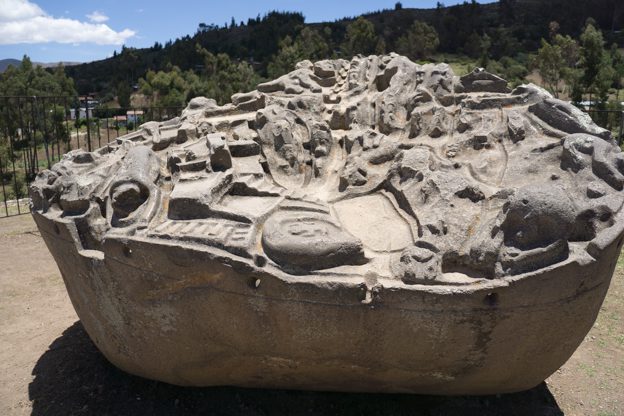
The most important aspect of the ruins of Sayhuite is a gigantic rock that is covered with hundreds of carvings which are still a mystery for those who visit, experts and novices alike. The rock weighs over 800 metric tons, has an 11 meters circumference, is 8 meters in diameter, and is 3 meters high. There are hundreds of designs carved into the surface of the rock, and there are four sectors of the stone, which are divided in relation to the directions of the Inca empire, Tawantinsuyu.
What’s in a name?
Sayhuite is a word that comes from the Quechua language, which is the principal language spoken by ancient people from this part of the world. To break down the meaning of this word in English, we need to look at it in two parts. First, the word Saywa, which can be loosely translated to mean “rock signifying a milestone.” We can translate the second part of the word, witiy, to mean “wrong turn, discovery, or to divert.” We can, therefore, translate the word to mean “The rock that signifies discoveries (or changes) over time.”
What is so impressive about carvings on a stone?
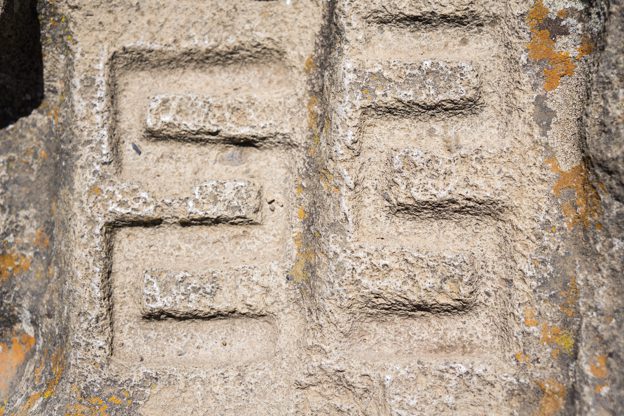
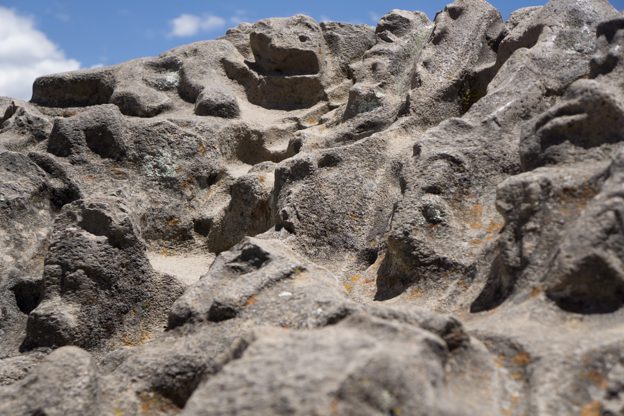
There are over 300 figures drawn on the stone, including plants, animals, villages, and sacred geometry inspired by the Andean cosmovision. Some say that the figures were drawn as maps of the region. Others believe that the rock served as a place for experimenting with architecture and designs for future buildings, or to organize farming and irrigation.
But most people do agree that the Inca created these ruins in order to honor water. You’ll notice the importance that the creators places on water when you visit another set of ruins that are located just a few meters away from this ancient boulder: a water temple which includes a sculpted set of terraces and a fountain which descends the hillside.
What else?
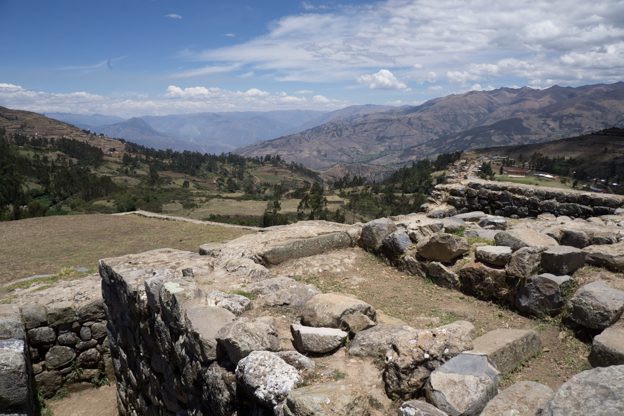
Don’t expect to see many other visitors here. Though it’s located right beside the road between Cusco and Abancay, there are other sites that people tend to visit which are more heavily promoted by tourist agencies. Nonetheless, if you are able, I recommend that you take the time to visit these impressive ruins.
YOU MIGHT ALSO LIKE
LIMA: 19TH-CENTURY CHINESE CEMETERY FOUND IN PRE-COLUMBIAN RUINS
PERU LAUNCHED AN APP TO VISIT INCA RUINS FROM CHOQUEQUIRAO
6 AMAZING THINGS TO SEE IN CUSCO THAT ARE NOT INCAN RUINS SERIES: #4

