

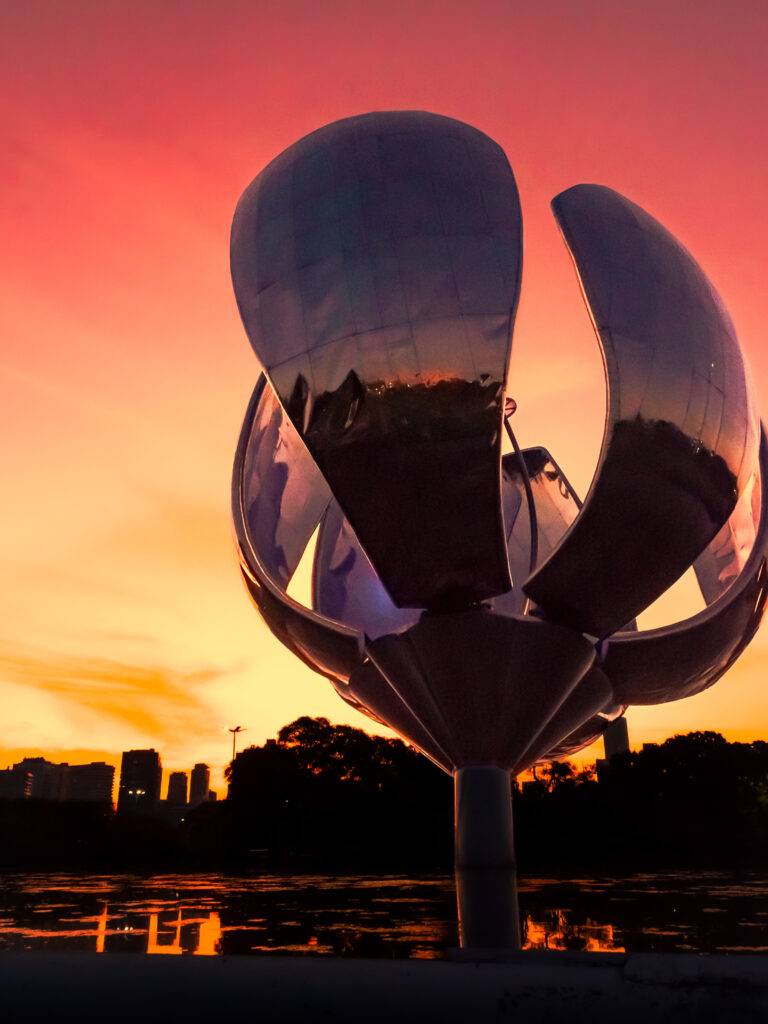
Buenos Aires has always offered countless reasons to visit. Its restaurants, theaters, football matches, concerts, and historic cafés are woven into the city’s daily rhythm, filling each week with energy and tradition. Now, city leaders are looking for ways to bring these experiences together in a more intentional welcome for travelers, while also supporting the people who sustain the city’s culture.
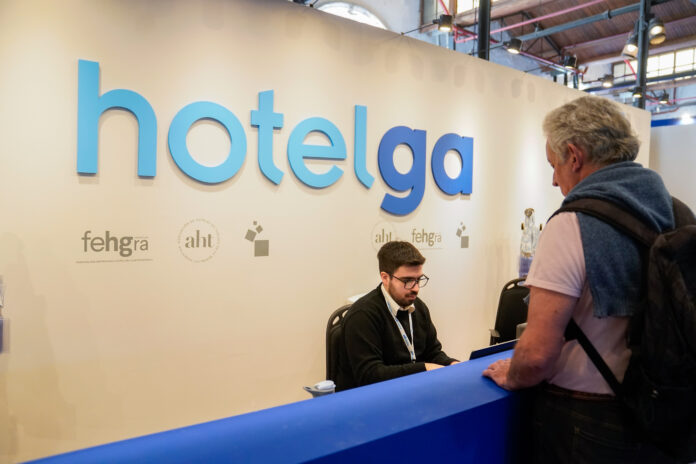
This vision shaped the atmosphere at HOTELGA 2026, the country’s leading event for hotels and restaurants. For three days at La Rural, the gathering blended professional meetings with culinary competitions, regional showcases, and open discussions about where hospitality in Argentina is headed.
During a panel titled “Public Agenda for the Development of Hospitality and Gastronomy in Argentina,” Buenos Aires Mayor Jorge Macri described hotels and restaurants as essential components of the city’s economic development.
“The variety of gastronomy and hotels offered by the City of Buenos Aires is enormous,” Macri said. “We must build an agenda that strengthens private events and helps us promote the city, so that public and private initiatives do not compete with each other but instead reinforce one another.”
Major events as a tourism strategy

Each year, more than nine million people visit Buenos Aires, with international travelers making up a growing share. In the first half of 2026 alone, 1.6 million visitors arrived from abroad—a notable rise from the previous year.
The city’s hospitality network is extensive, with hundreds of hotels ranging from family-run guesthouses to luxury properties, offering around 55,000 beds each night.
Yet city officials see even greater potential, especially in hosting international events that bring fresh energy to hotels, restaurants, and the city’s streets.
Buenos Aires has ranked as the leading destination in the Americas for meetings tourism for 15 consecutive years and currently holds the 20th position worldwide in the International Congress and Convention Association ranking.
In 2026, Buenos Aires hosted 272 major events. Crowds gathered for Formula 1 driver Franco Colapinto’s road show, a unique performance by Father Guilherme—both priest and electronic music DJ—and the city’s half marathon, which drew tens of thousands of runners.
According to Macri, the city’s cultural, culinary, sporting, and entertainment calendar generated an economic impact of USD 970 million and supported 85,000 jobs last year.
To help realize this vision, new projects are making the city more accessible and welcoming. The effort includes electric tourist buses, a dedicated tourism hub, and expanded flight connections with airlines from Europe, Asia, and other regions.
Looking ahead, Buenos Aires is preparing for Pope Leo XIV’s visit in November and the return of MotoGP next April. There is also hope that Formula 1 will soon return, as work continues to update the city’s racetrack.
“If we manage to bring Formula 1, we could generate an economic impact of USD 400 million in a single week,” Macri said. Although the race has not been confirmed, the statement illustrates the scale of the city’s ambitions.
Eight new iconic restaurants
Food became the heart of HOTELGA through Buenos Aires Foodie, where chefs and hospitality professionals from Argentina and abroad gathered for lively conversations.
The program opened with news of eight new restaurants joining the city’s list of “Iconic Restaurants of Buenos Aires,” a recognition that celebrates the places shaping the city’s food culture.
The newly recognized establishments are Cervecería López in Villa Ortúzar, Chiquilín in Tribunales, El Globo in Monserrat, Gardiner in Costanera Norte, Piegari Ristorante in Recoleta, Pucará in Caballito, Puerto Cristal in Puerto Madero, and Spiagge di Napoli in Boedo.
“A large part of our daily lives and many of our best moments take place around a good table,” said Camilo Suárez, president of the association. He explained that the distinction aims to reinforce the role these establishments play in Buenos Aires’ cultural and tourism identity.
This list is a reminder that Buenos Aires’ culinary story is not just about new tasting menus. Traditional dining rooms, neighborhood favorites, and restaurants woven into the city’s collective memory still shape the experience for both locals and visitors.
The evolution of Argentine gastronomy
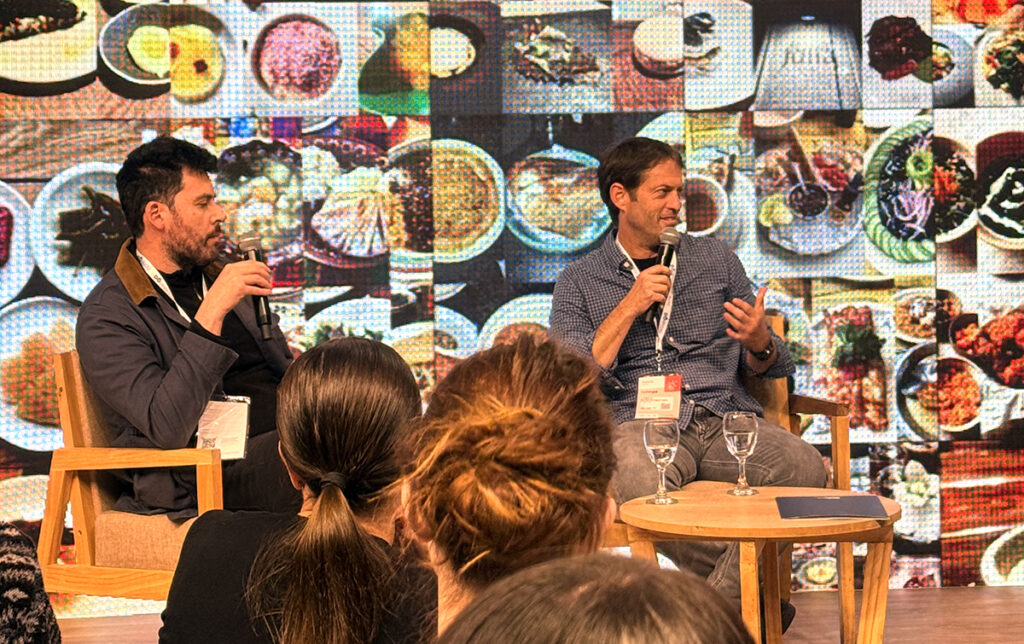
Martín Rebaudino of Roux discussed the craft behind contemporary restaurants, while Mariano Ramón of Gran Dabbang; Lucas Canga and Clara Corso of Garabato; Jazmín Marturet of MN Santa Inés; and Facundo Kelemen of Mengano examined accessibility, quality, ingredients, and culinary identity.
Meat, inevitably, occupied an important place in the program. Germán Sitz of La Carnicería, Juan Carlino of Gaucha, and Emiliano Yulita of El Mercado discussed its role in Argentina’s gastronomic identity and presented the first edition of Meat & Fire alongside Juani Fuoco.
Gabriel Oggero of Crizia and Pedro Barguero of Al Margen La Granja shifted the conversation toward Argentina’s coastline and seafood’s potential to play a more prominent role in the country’s culinary narrative.
Peru was also represented at the event. James Berckemeyer, chef-owner of Cosme in Lima, joined Pedro Chavarría of Demo Magnolia in Santiago de Chile to discuss regional trends and the evolution of Latin American fine dining.
The presence of chefs from Lima and Santiago put Buenos Aires’ transformation in a wider Latin American context. Across the region, restaurants are rediscovering local ingredients and culinary identities, while also navigating shared challenges around costs, supply, and professional growth.
Gonzalo Aramburu, whose restaurant Aramburu holds two Michelin stars, and Tomás Treschanski of Trescha discussed the international visibility Buenos Aires gained after the Michelin Guide’s arrival.
Both chefs agreed that the city’s culinary evolution has not depended solely on restaurants. Better suppliers, logistics, and access to higher-quality ingredients have elevated the entire ecosystem. “Everything becomes easier when the ingredients are good,” Aramburu said.
Treschanski also addressed the less glamorous side of running a restaurant in Argentina. “There is a great deal of passion behind what we do and many challenges, especially because of the daily tension surrounding the numbers,” he said. “But I enjoy it, and we work for those beautiful moments that happen inside the restaurant.”
Argentina’s regions tell their stories through food and drink
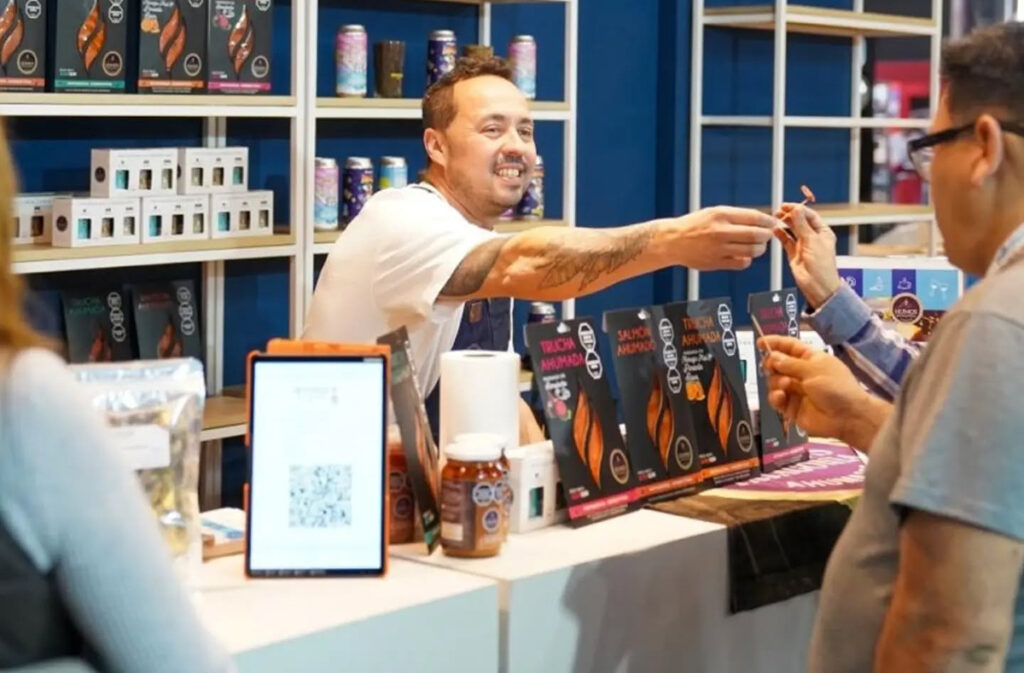
Beyond Buenos Aires, HOTELGA became a window into how Argentina’s provinces are turning local products into experiences that invite travelers to discover new flavors and stories.
Salta brought the high-altitude wines of the Calchaquí Valleys to the event, inviting visitors to taste bottles from wineries like Colomé, El Cese, and Vasija Secreta. The experience blended flavors with stories of the landscapes, traditions, and people behind each label.
Jujuy showcased wine regions extending across the Temperate Valleys and the Quebrada de Humahuaca. The province has grown from approximately three wineries to more than 20 in the past decade, including small vineyards located more than 2,200 meters above sea level.
These experiences are also connected to the Solar Train of the Quebrada, which allows travelers to stop at different stations and discover wines produced across the region.
San Luis introduced Sabores en Copa, or “Flavors in a Glass,” inviting visitors to taste mountain wines, gin infused with native botanicals, artisanal vermouth, and local craft beer.
Rather than presenting these drinks as simple products, the provinces offered them as invitations: to explore their regions, meet the people behind each bottle, and understand the landscapes that give every flavor its character.
Mar del Plata wins the Federal Chefs Tournament
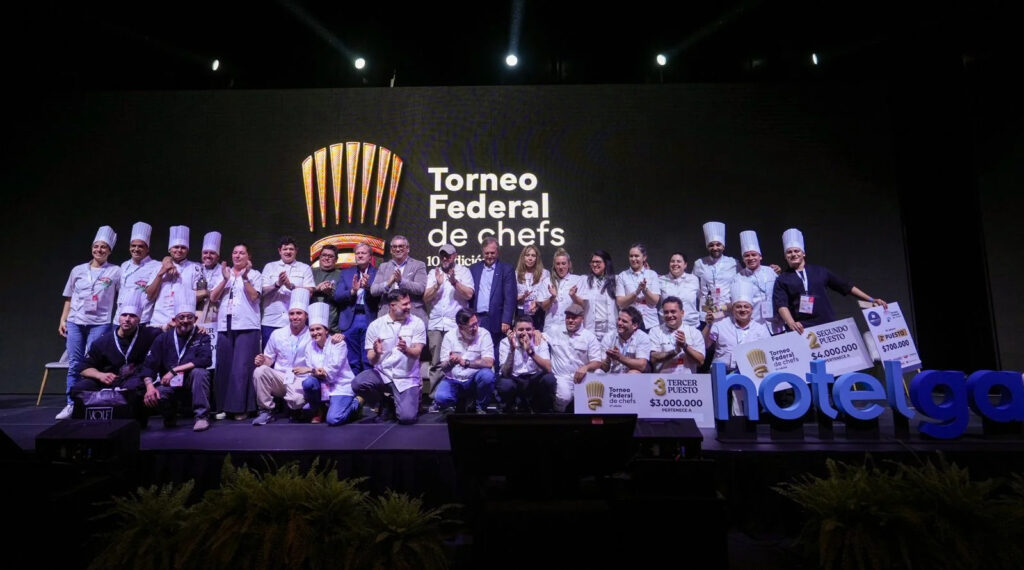
The spirit of HOTELGA’s national reach came alive in the tenth Federal Chefs Tournament, where 29 teams from across Argentina gathered to compete.
Facundo Niz and Javier Ibáñez, from Sarasanegro in Mar del Plata, took top honors with two dishes that celebrated seafood and the flavors of their coastal home.
Their starter brought together crispy turnip, citrus-cured shrimp, kiwi umeboshi, kimchi mayonnaise, fried nori, and sprouts—served on a stone from Mar del Plata, its natural texture and veins left intact.
The main course featured aged line-caught fish with mousseline, a cream and crisp of hydroponic chard, and pil-pil sauce. The ceramic plate echoed the colors and layers of the coast’s stone.
Their presentation echoed a theme that resonated throughout HOTELGA: food is a way to tell the story of a place.
Hospitality as an economic and cultural force
HOTELGA 2026 revealed an industry facing economic challenges, yet still moving forward with determination and creativity.
Buenos Aires is investing in major events, new connections, and its vibrant food scene to welcome more visitors. Across Argentina, provinces are crafting their own stories through wine, food, local producers, and the landscapes that shape their identity.
Taken together, these efforts show a broader vision of hospitality. Hotels and restaurants are more than places to stay or eat—they are part of a destination’s cultural identity, a source of livelihoods, and a way for regions to grow and share their stories.
Daniel Quintero traveled to Buenos Aires with the support of Visit Buenos Aires.

