
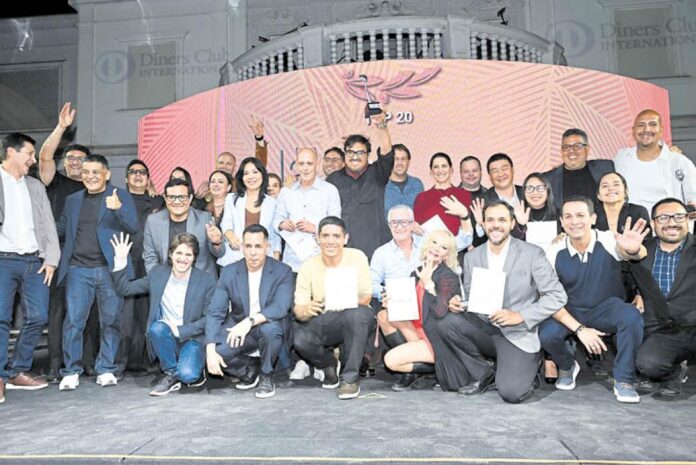
La Mar Cebichería topped the SUMMUM 2026 ranking on October 1, followed by Osaka Nikkei and Astrid & Gastón. Kjolle and El Mercado completed the top five at a ceremony held at Lima’s Puericultorio Pérez Araníbar, in an edition dedicated to mestizaje: the meeting of cultures, ingredients, techniques, and traditions that has shaped Peruvian cooking.
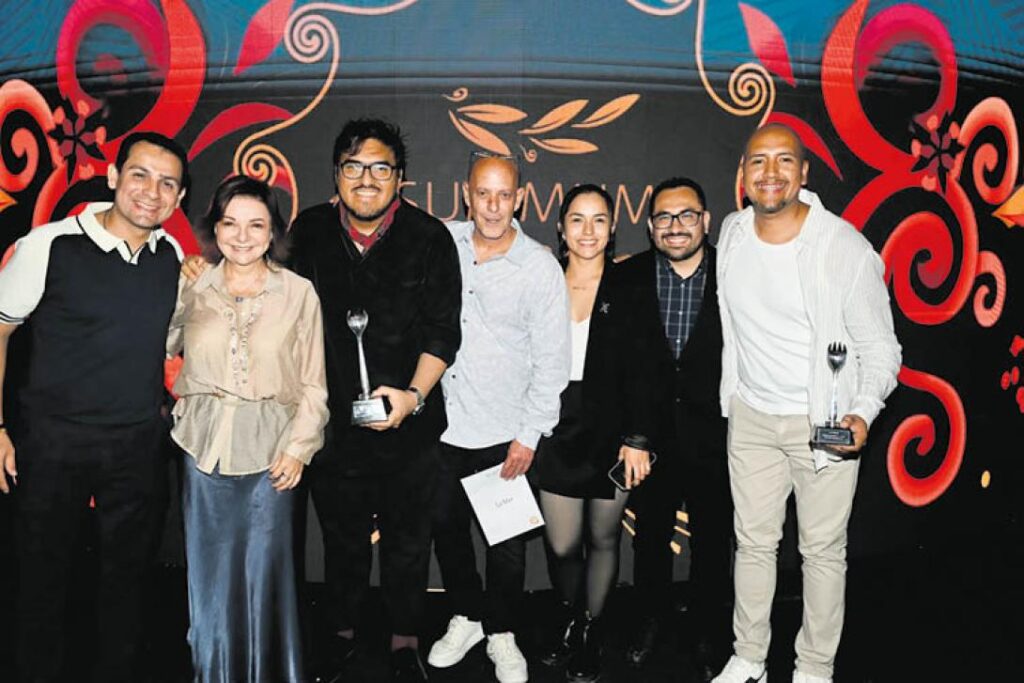
For La Mar, led by chef Anthony Vásquez, the evening also brought awards for Best Cebichería, Fish and Seafood, and Best Service. Its success placed a seafood restaurant firmly at the center of this year’s results, alongside recognition for Nikkei cooking, regional traditions, contemporary restaurants, and newer projects.
Yet SUMMUM’s value extends beyond finding out who finished first. Local awards tell us what particular diners know, value, and choose to celebrate. They also offer an opportunity to look at the industry those choices represent.
What a local ranking tells us
SUMMUM’s restaurant rankings are based on an Ipsos survey of nearly 1,000 respondents, comprising frequent diners and people with gastronomic expertise who know the establishments they evaluate. It is a selected panel rather than an open public vote.
That distinction shapes how to interpret the results. The ranking offers a view into the dining habits and aspirations of Peru’s more affluent and middle-class consumers, particularly those in socioeconomic segments A, B, and C+. It does not represent the full spectrum of how the country eats.
Its relevance is still considerable. These consumers’ restaurant choices help sustain businesses, build reputations, and bring new projects into wider circulation. Recognition at home matters to a restaurant that depends on people returning long after an international visitor has left.
The range of categories also brings different dining occasions into the conversation. This year, Isolina won for traditional Peruvian restaurant; Chifa TITI for Chinese and chifa cuisine; Troppo for Italian cooking; and Astrid & Gastón for contemporary Peruvian cuisine. Sapiens won for cooking over embers and fire; Primos Chicken Bar won for pollo a la brasa.
Bruto, led by Arlette Eulert, was named Best New Restaurant. Lady Bee won the restobar-lounge category, Alanya Repostería took the pastry award, and El Pan de la Chola won Café-Restaurant. Punto Café received the new specialty coffee distinction, adding another dimension to the awards’ view of the dining scene.
Regional recognition included La Patarashca in Tarapoto for the Amazon, Chicha in Arequipa, Cicciolina in Cusco, Tambo de Tacama in Ica, Big Ben in Huanchaco for La Libertad, and Fiesta in Chiclayo for Lambayeque. Alegría Picantería Piurana won for regional Peruvian cooking in Lima.
If you are planning where to eat, these categories offer useful starting points. They also remind us how much of Peru’s restaurant culture sits outside the tasting-menu conversation.
Questions about the future
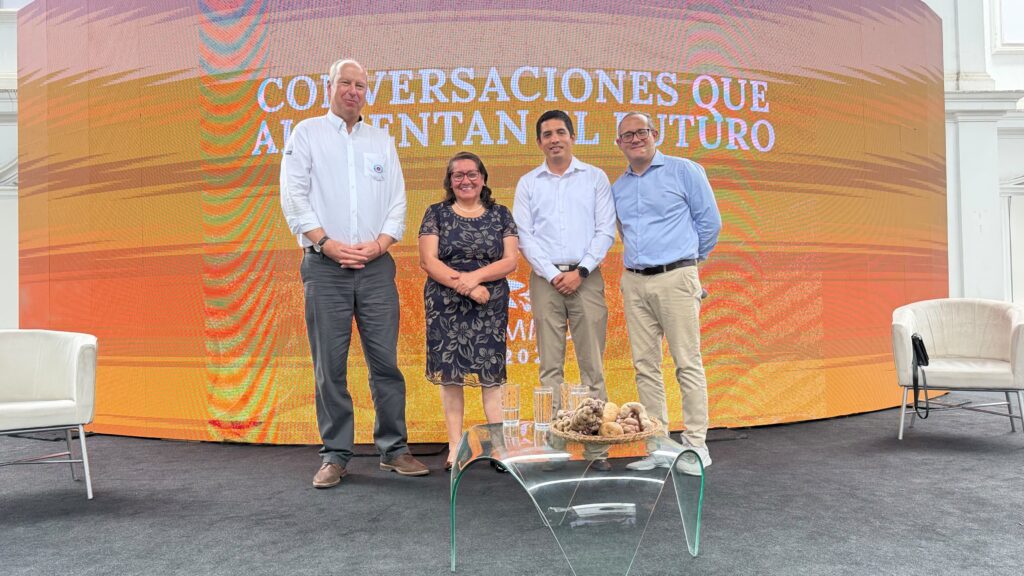
Earlier in the day, SUMMUM Académico brought together cooks, researchers, and specialists for three discussions. I moderated the first two: one on technology and research, and one on seasonal closures and responsible cooking. We were able to moderate the first two
The first connected agricultural knowledge with the practical challenges of producing food. Dieter Uslar, Edgar Aliaga, and Celfia Obregón brought perspectives on solar technology in dairy farming, malting barley research, and potato biodiversity. Together, those subjects raised a question that deserves more attention in gastronomic coverage: what must happen in the field before an ingredient can become a source of pride on the plate?
The second discussion brought together La Mar’s Anthony Vásquez, Kent Zúñiga of Kao in Arequipa, marine biologist Daniel Cáceres, and Aldo Yaranga of Awa. It focused on the responsibility that comes with cooking from rivers, the sea, and the Amazon: respecting natural cycles, understanding closed seasons, and helping diners accept that an ingredient cannot always be available.
Gastronomic identity becomes a practical commitment when celebrating biodiversity requires changing a menu, explaining an absence, and working with what an ecosystem can provide.
The third panel, moderated by SUMMUM and Perú21 director Cecilia Valenzuela, explored mestizaje through Elena Santos, Francesco de Sanctis, and Mitsuharu “Micha” Tsumura. Their different culinary backgrounds gave the theme a human dimension: inherited knowledge, regional identity, and the ways cooks make those traditions their own.
Valenzuela described this edition as a tribute to the mixture of flavors, traditions, and inheritances that characterizes Peruvian gastronomy. The challenge is to carry that idea beyond a celebratory theme and into how the industry values the people who sustain it.
Special recognitions helped broaden that view. Among those honored were agricultural producer Luzmila Mendoza, community-kitchen organizer Nora Zamora, and Jesús Gutarra, known for his work with pachamanca. Alberto Solís received career recognition, while Pedro Miguel Schiaffino received the mestizaje distinction.
Who becomes the face of a restaurant?
Another question worth asking when looking at the results: how visible are women in the industry being celebrated?
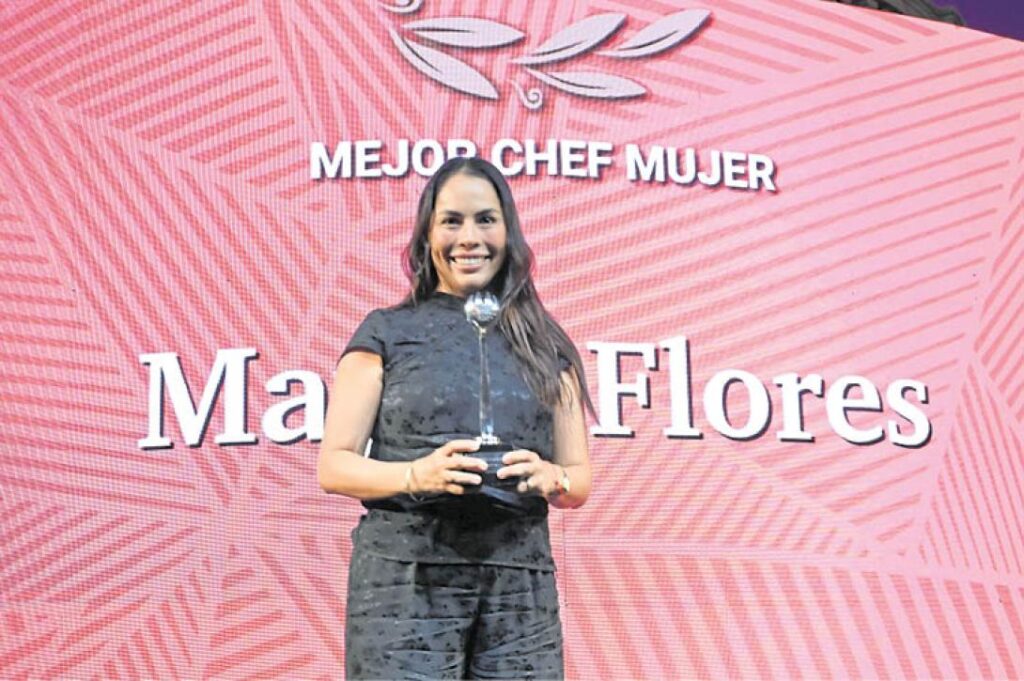
This year offered important examples. Pía León’s Kjolle placed fourth overall. Mayra Flores of Shizen won Best Female Chef. Arlette Eulert’s Bruto led the new restaurant category, while Elia García’s La Patarashca and Zara Alanya’s Alanya Repostería won in their respective fields.
Those achievements deserve recognition, though they do not address the broader imbalance in public representation within winning restaurants. Women bring knowledge, create dishes, manage teams, run businesses, and sustain the food traditions these awards celebrate. The question is whether that work translates into equal access to leadership, ownership, public visibility, and credit.
A restaurant ranking alone cannot tell us the gender composition of its kitchens or explain every disparity. Nor should we confuse the best-known person associated with a restaurant with everyone responsible for its success. The story told publicly about a restaurant can be much narrower than the work happening inside it.
In my view, a dedicated award for women should sit alongside a wider expectation that their leadership will be visible throughout the main categories. Recognition should also prompt us—as journalists, diners, and industry members—to examine whose names we repeat and whose contributions remain in the background. SUMMUM’s influence on dining choices and business visibility gives the awards significance. In a year focused on the inheritances that shape Peruvian cuisine, examining who leads and represents that cuisine remains an important consideration.
SUMMUM 2026: The Top 20
- La Mar
- Osaka Nikkei
- Astrid & Gastón
- Kjolle
- El Mercado
- Costanera 700
- Alegría Picantería Piurana
- Cosme Restaurante y Bar
- Mérito
- Isolina, Taberna Peruana
- Restaurant Fiesta
- Amoramar
- Shizen Restaurante Nikkei
- Restaurante Huaca Pucllana
- Panchita – Sazón Criolla
- Chicha – Arequipa
- Alado Restaurante y Bar
- Chifa TITI
- La Perlita
- Tambo de Tacama

