

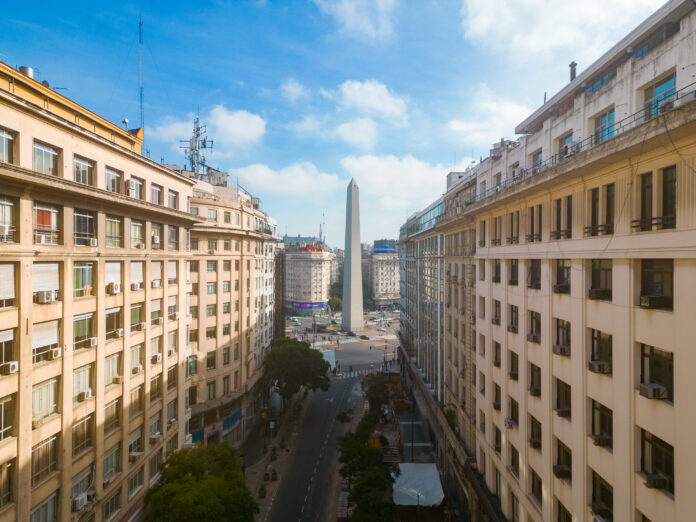
Buenos Aires is a city best explored on foot, with neighborhoods that flow into one another. Its appeal spans monuments, architecture, art, and bookstores. While some experiences require reservations, many of the city’s pleasures are found in small details: a bakery window lined with facturas, the aroma of fresh coffee, or the scent of cookies that invites you to pause, start a conversation, or simply read.
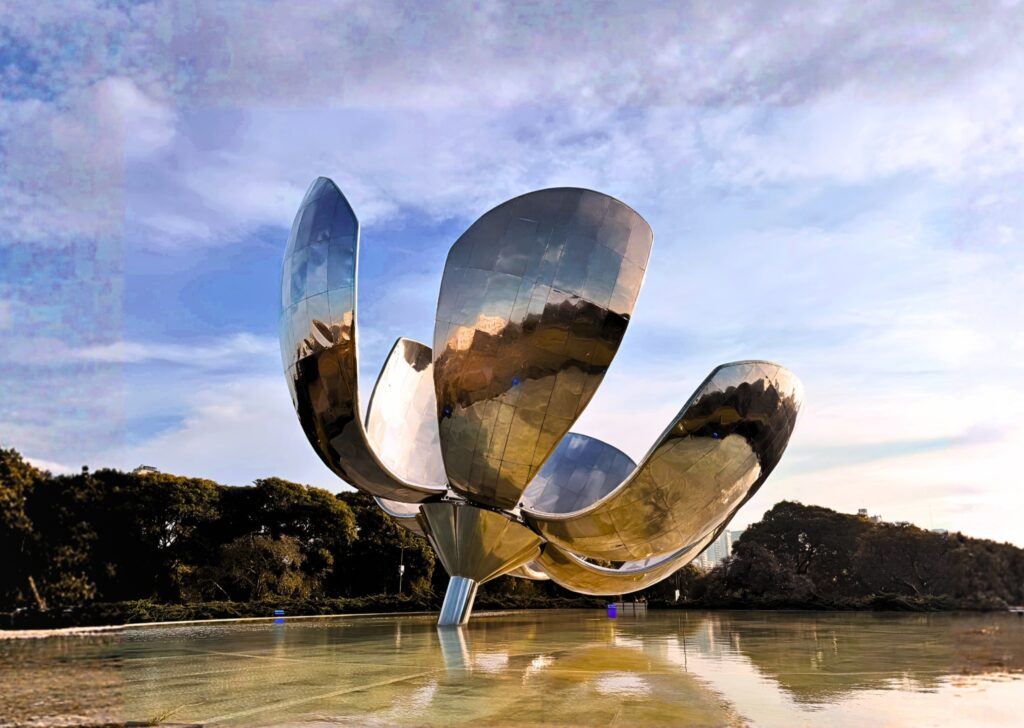
A winter arrival in Buenos Aires can mean bright sun and streets best explored on foot. Over several days, the city reveals itself through hotels, restaurants, bars, and neighborhoods like Palermo and San Telmo. This itinerary is a flexible 72-hour route for travelers who want to discover Buenos Aires through its food, from pizza to medialunas.
Where to stay
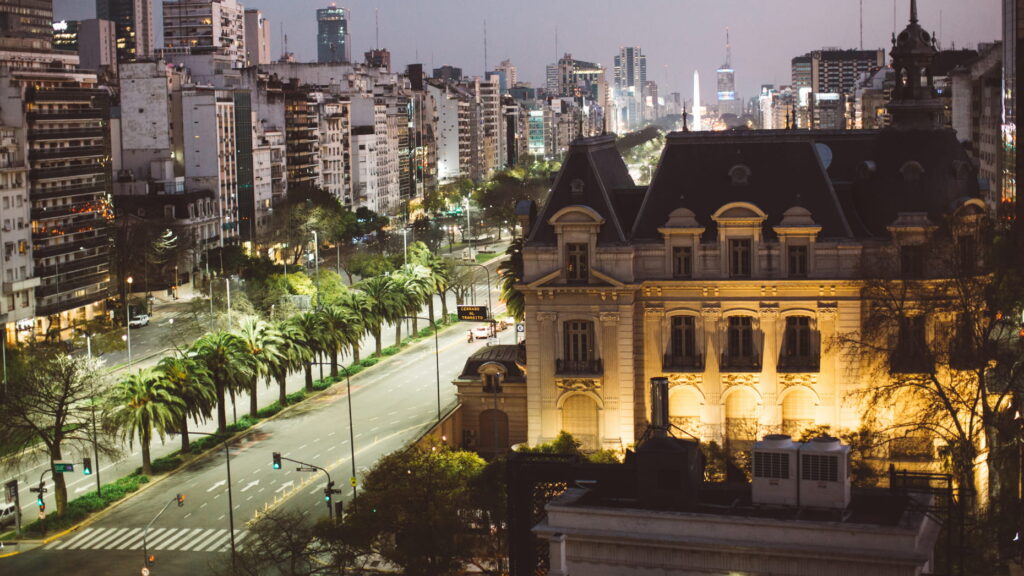
Choosing the right neighborhood can shape the entire trip:
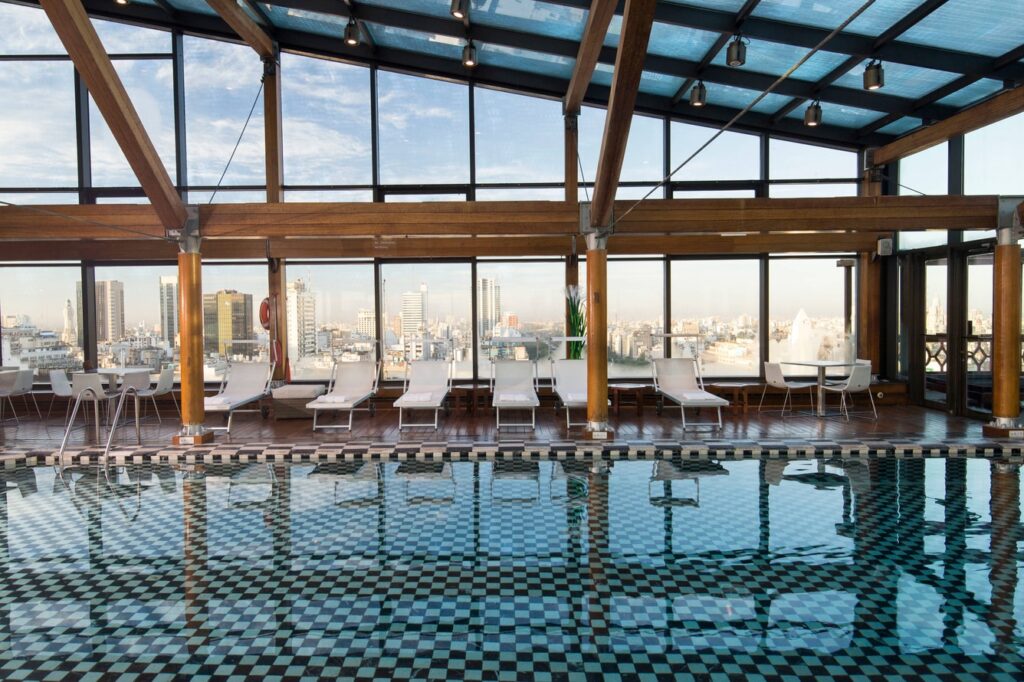
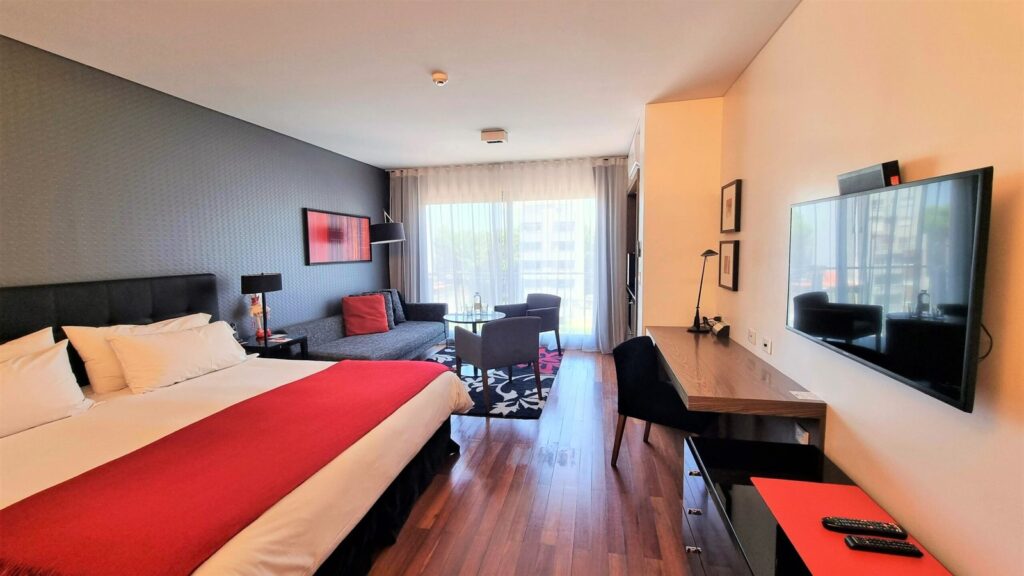
For a first visit, staying at Marriott Buenos Aires Downtown means waking up with the Obelisk and Avenida 9 de Julio just beyond your window. The hotel’s central location makes it easy to step into the city’s rhythm, while the spacious rooms and welcoming atmosphere suit families and solo travelers alike. The rooftop pool becomes a quiet vantage point at sunset, when the skyline shifts and Buenos Aires readies itself for the evening ahead.
If your days are shaped by meals and late-night conversations, Fierro Hotel in Palermo Hollywood places you at the heart of one of Buenos Aires’ most dynamic food neighborhoods. Between forays to nearby restaurants and bars, the hotel’s suites, leafy garden, restaurant, wine cellar and rooftop lounge offer quiet corners to pause and recharge before the next discovery.
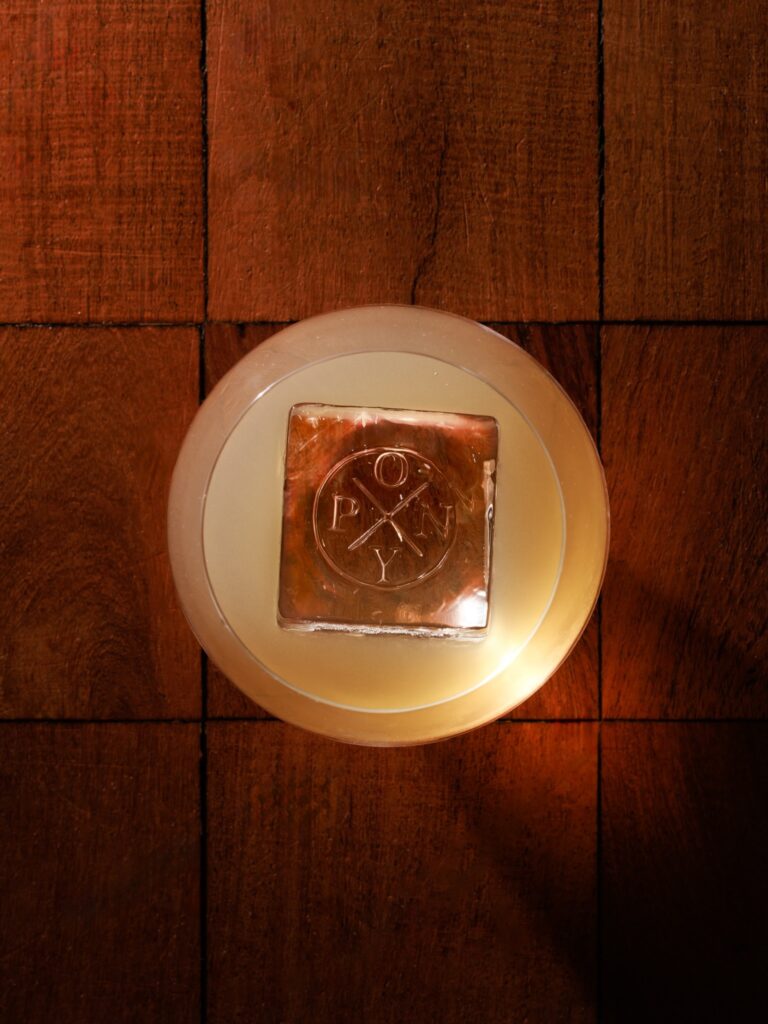
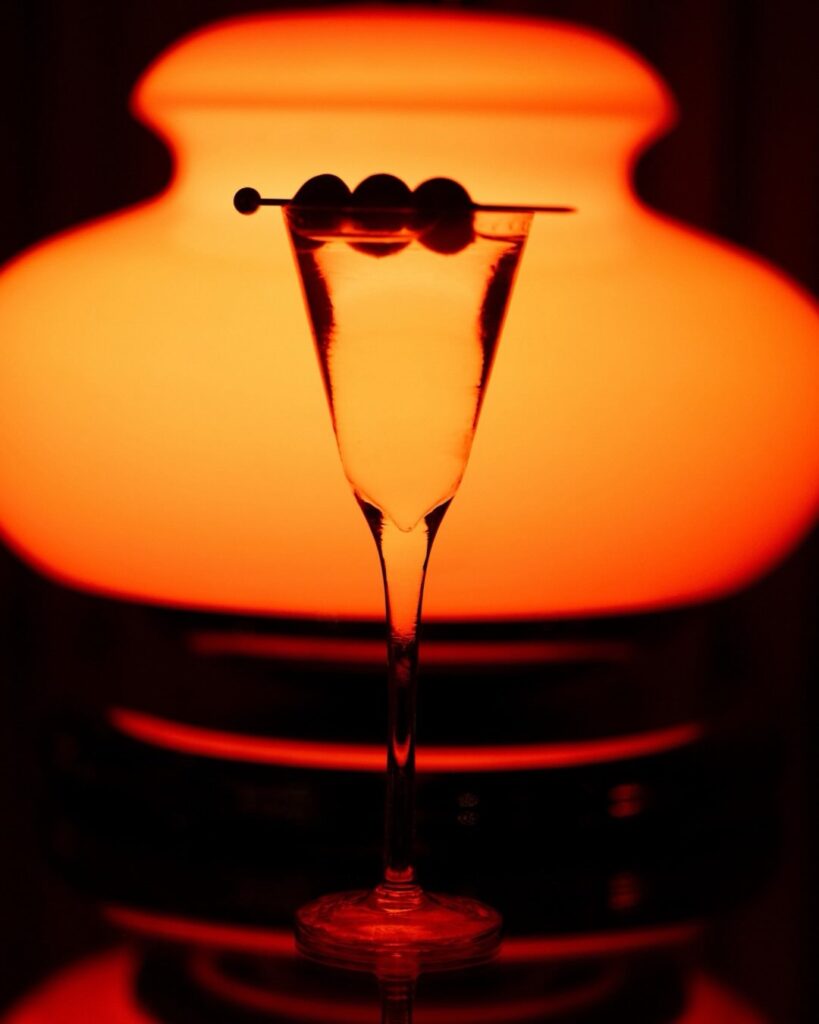
For those drawn to classic luxury, Four Seasons Hotel Buenos Aires offers a distinct sense of place in Recoleta. Service feels intuitive, and the property blends a modern tower with the early-20th-century elegance of La Mansión. Here, breakfast can stretch into a leisurely ritual, and a Dirty Martini from Pony Line sometimes makes dinner feel quite right.
Day one: Palermo, coffee and the temptation of every bakery window
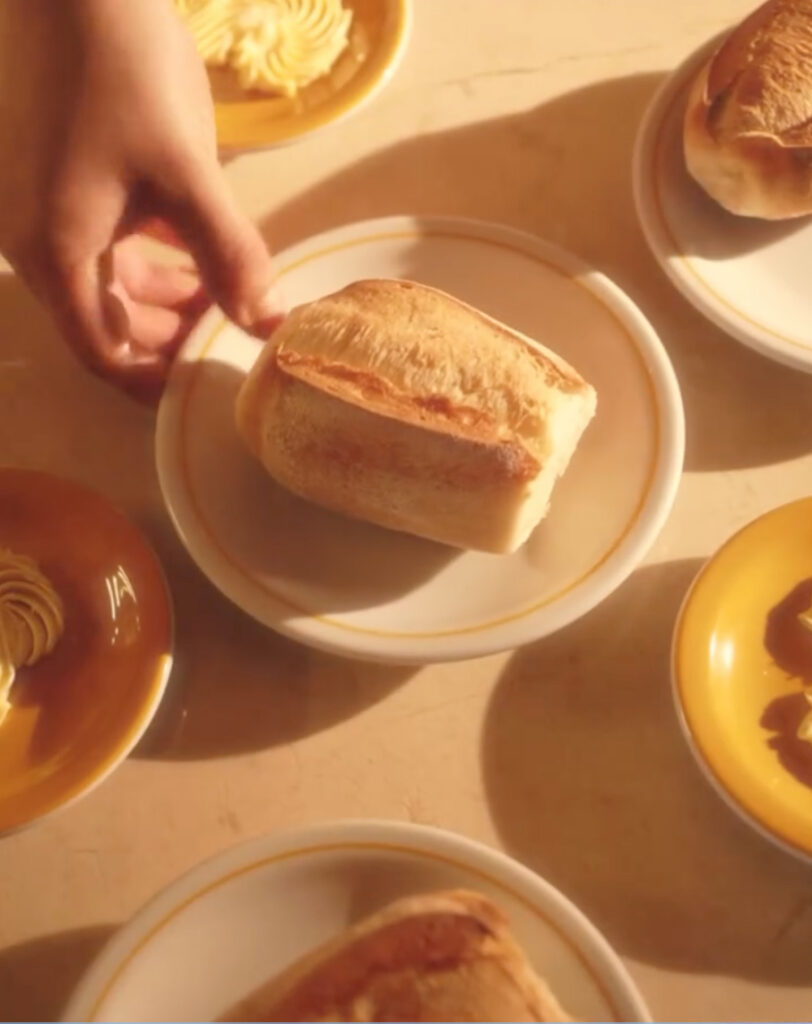
Start your morning in Palermo, leaving time for detours. Buenos Aires is a late-riser city; it won’t be easy to find many options until 8 am. The streets are chilly, and the wind blows hard and cold, with a scent of medialunas.
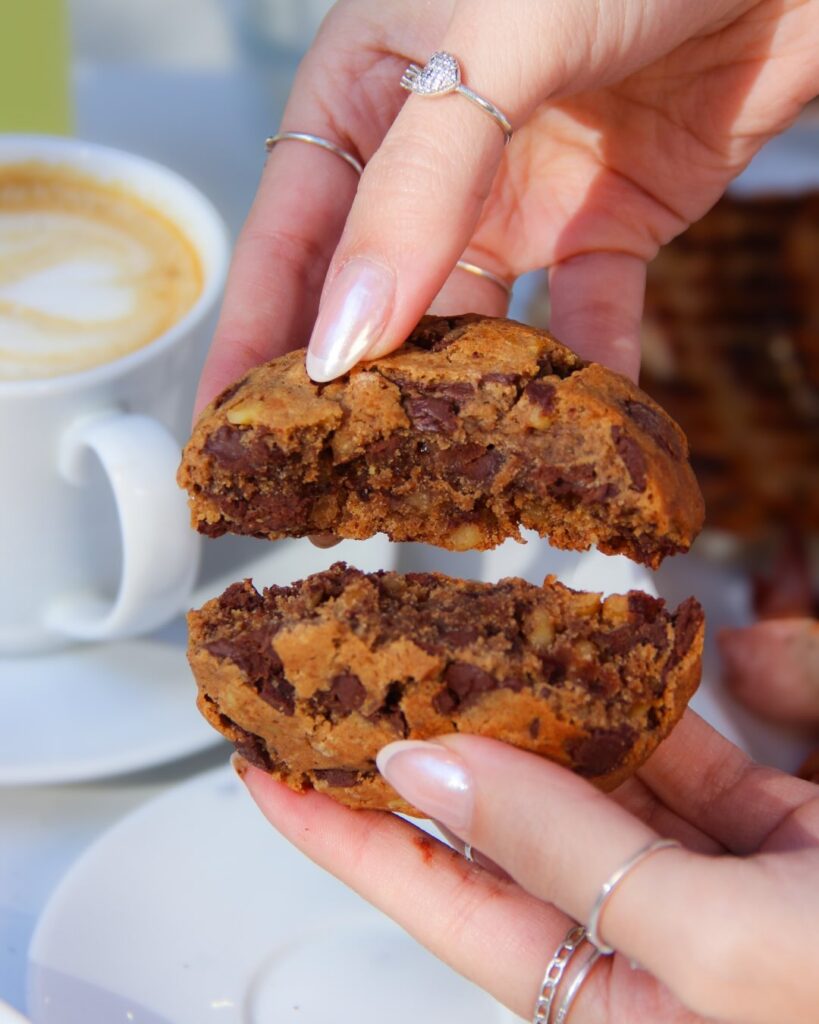
A walk through the neighborhood becomes a lesson in temptation; every bakery window is lined with breads, pastries, and facturas. At Amasadero, the warmth of chocolate-chip cookies fresh from the oven proves that a city’s first impression can be as simple as a bite enjoyed on the sidewalk.
For a more substantial option, Social Corazón builds on the neighborhood bakery tradition. Created by Guido Tassi and Pablo Rivero, the team behind Don Julio and El Preferido, it offers an all-day menu. A medialuna de grasa pairs well with espresso, and takeaway bags are available for later. For a lighter meal, the gnocchi are served with tomato sauce and melted cheese. The cookies are worth a return visit.
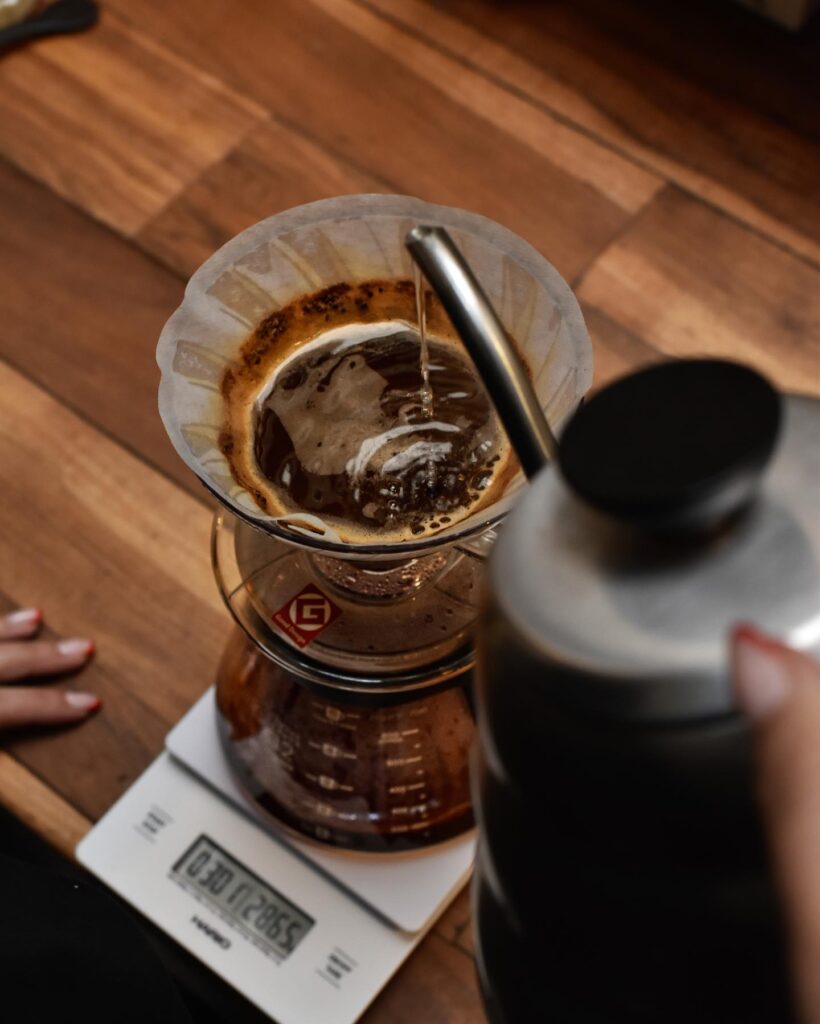
Buenos Aires also has a serious specialty-coffee culture. At Padre Café & Panadería, recommended by coffee journalist Nicolás Artusi, I ordered a cappuccino first, then a flat white, and arrived with a medialuna for a long conversation. The handsome room is designed for drinking coffee and talking, not for turning a table into an office: there are no convenient outlets and a sign at the entrance clearly states “No coworking.” Accept the invitation. Put away the laptop; make a different kind of connection.
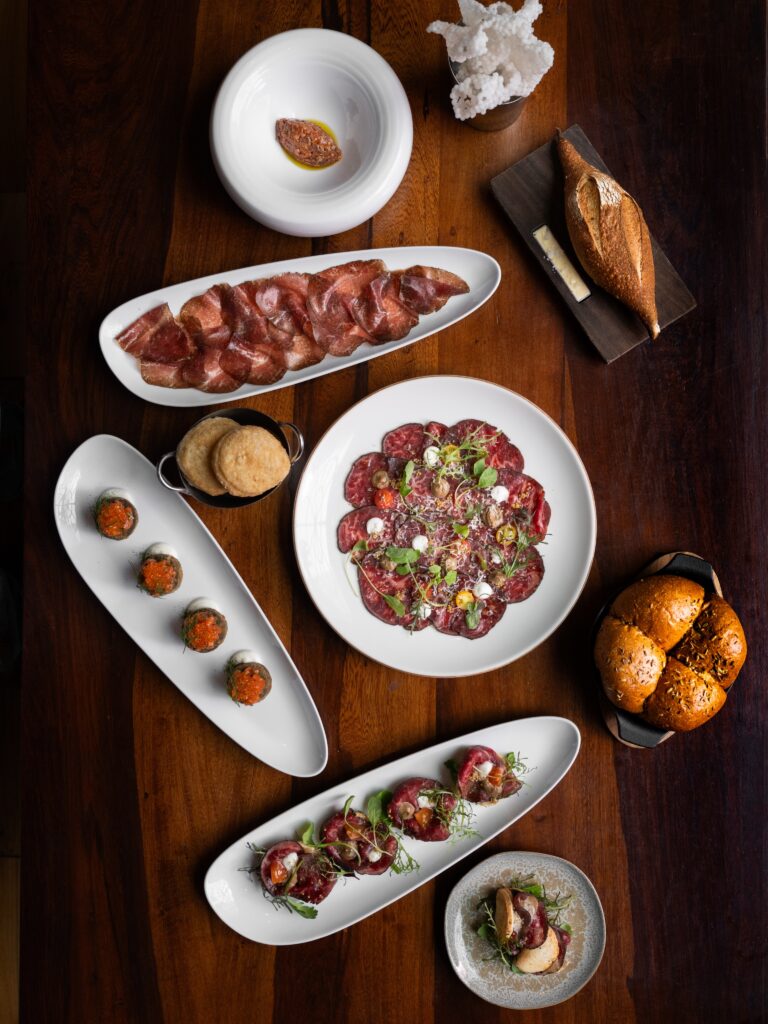
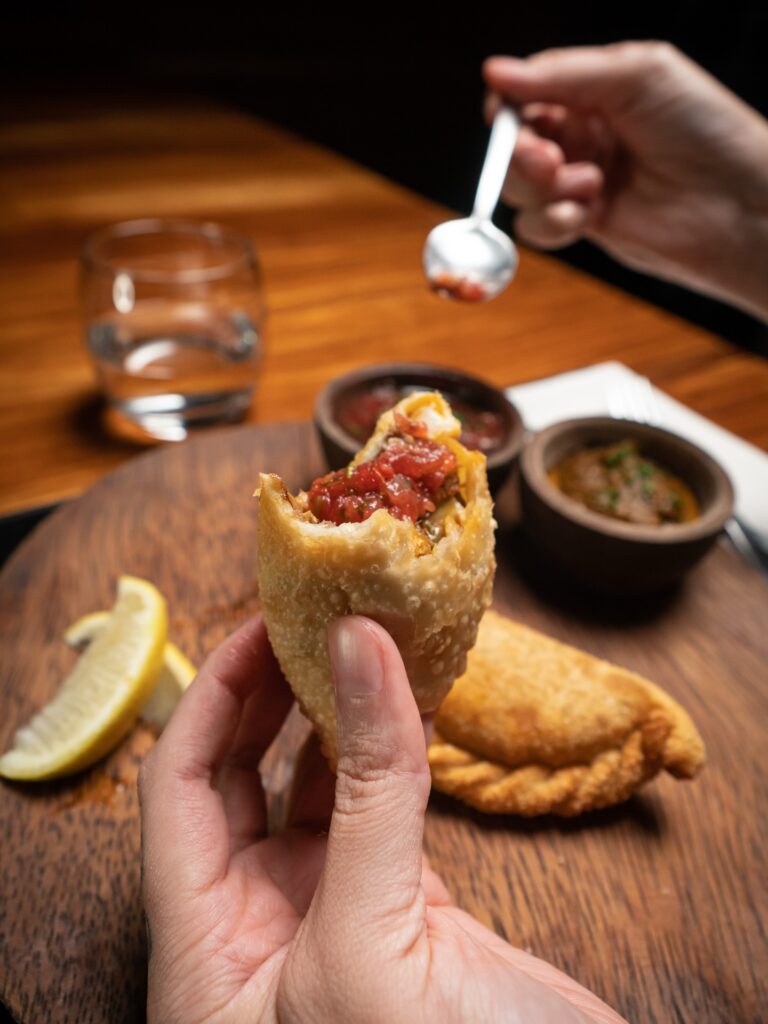
If Argentinian asado is something you want to try, La Carnicería, created from Germán Sitz’s love of family asado, approaches meat with intimacy and personality. The regular menu is the experience travelers should book; my own visit became an improvised meal among colleagues, with empanadas, bone-in beef, fries, and an unexpected dulce de leche crêpe with apples and candied peanuts. A place designed to feel the generosity and affection behind the restaurant’s asado.
As evening falls, make your way to Elena in Recoleta, inside the Four Seasons. Dinner here might mean sweetbreads, milanesa with fries, a crisp Caesar salad and ice cream, an unpretentious and satisfying meal. A Dirty Martini from Pony Line and a bottle of wine bring the day to a close in classic Buenos Aires style.
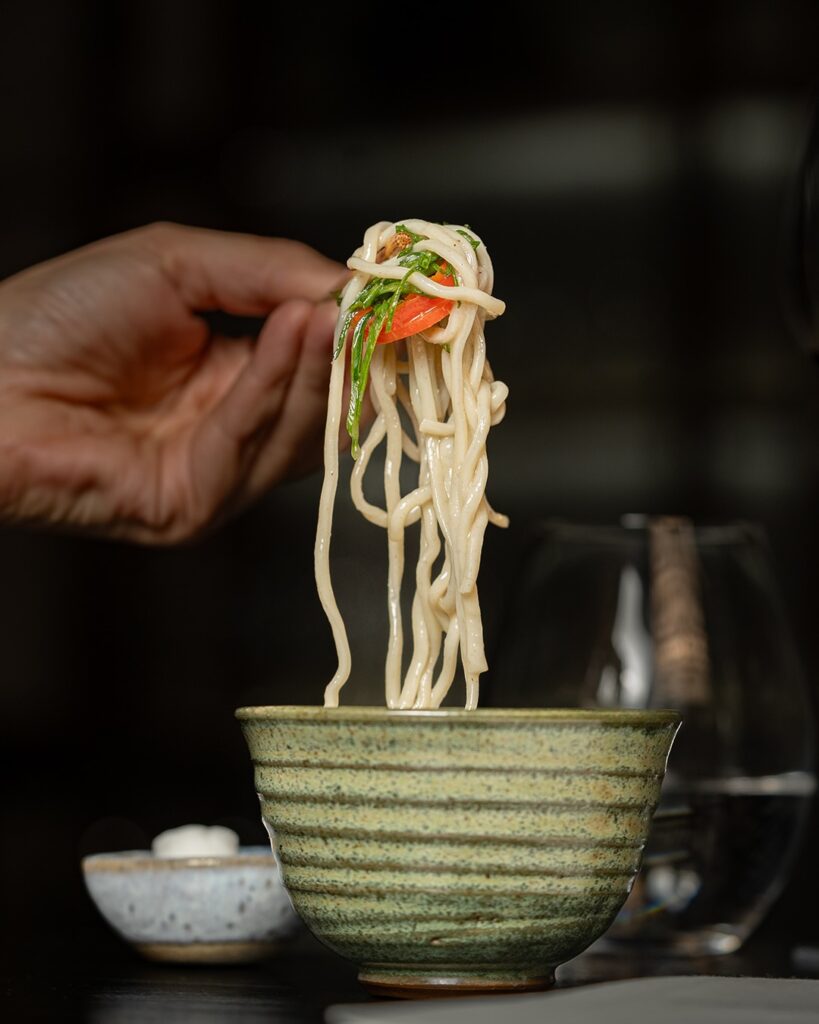
For those returning to Buenos Aires, Antro offers a different lens on the city’s food culture. I would suggest it to curious locals or repeat visitors rather than first-timers, especially when so many distinctively Argentine tables are waiting to be discovered in just three days. They offer an omakase experience, a Nikkei 14-course meal prepared by itamaes Gustavo Rivero y Matías Flores with a well-curated wine pairing made by sommelier Marcela Rienzo.
Day two: Honest cooking, the Obelisk and Buenos Aires after dark
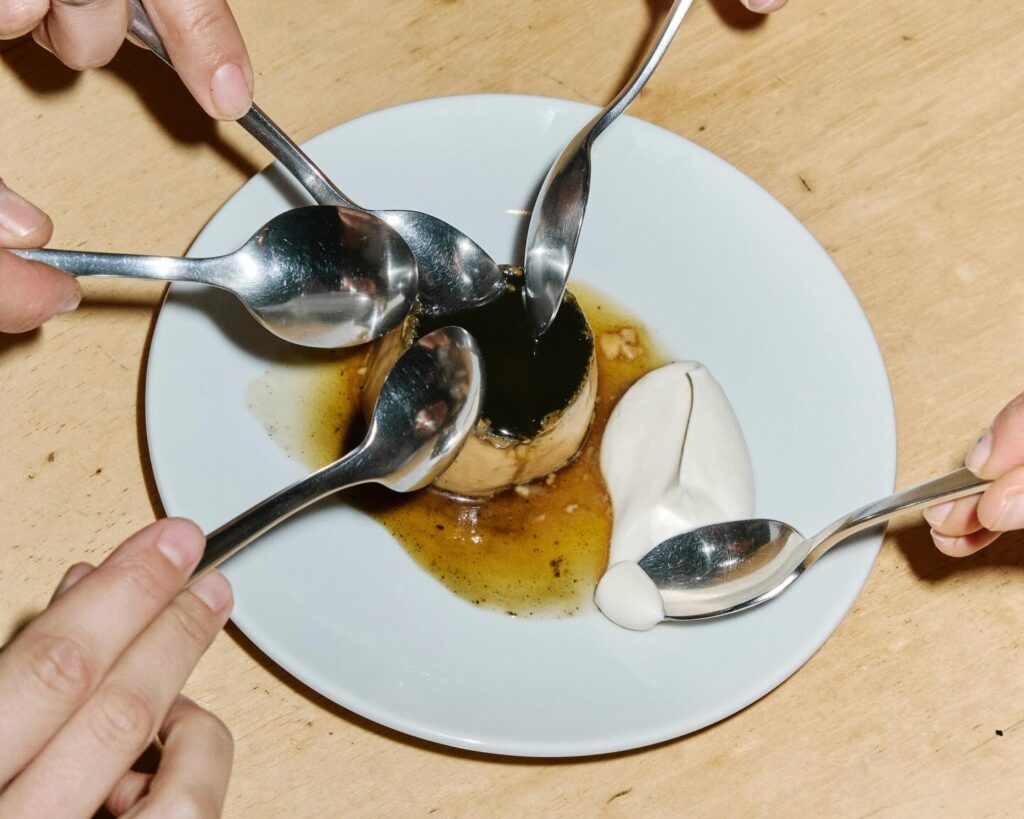
Start slowly, then head to Ness for lunch. The space is slightly unusual: tables and kitchen seem to flow into one another, and sitting beside the pass places diners close to the action. The cooking is honest and deeply flavorful, with smoke, grilling, and fermentation running through the menu. The essential finish is the halva flan, with miso caramel and black sesame, a dessert good enough to make someone who nearly skipped it regret every lost spoonful.
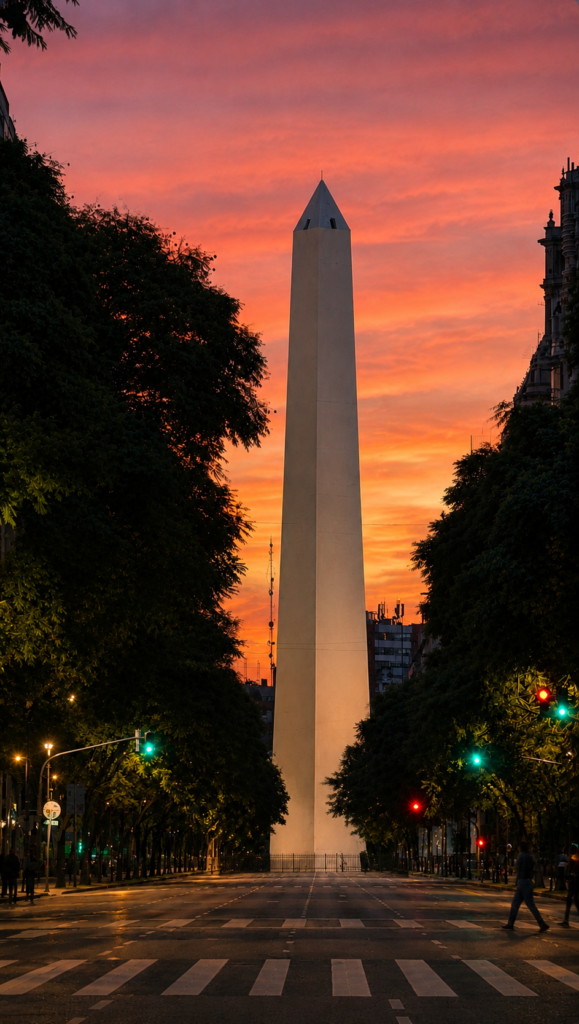
As the afternoon moves along, a walk around Retiro is a great move. Heading up to Calle Corrientes, you can enjoy the classic Florida Street filled up with stores, or intertwine between blocks and discover shops, bookstores, and cafés. Heading to Corrientes St., filled up with theaters, a sort of Porteño Broadway- with huge billboards offering plays- is the dream of a musical theater nerd. In the middle of everything, you will see the city’s most recognizable landmark, the Obelisk, a postcard of Buenos Aires in concrete; from the street it is familiar; entering it changes the relationship completely. The Mirador Obelisco, opened for regular public visits in late 2025, uses a small internal elevator followed by a short spiral staircase. Only four visitors ride at a time, making the experience feel surprisingly private. At the top, four windows face the cardinal directions and reveal Avenida 9 de Julio and Buenos Aires from almost 70 meters above the ground.
For a first visit, this is an essential stop. The visit is brief—about 20 minutes—leaving plenty of time to wander before the city’s nightlife begins to stir.
IN THE KNOW: The best time to visit the Obelisco is at sundown so you can enjoy a bright orange skyline. Book a timed ticket ahead and arrive a little earlyin advance via miradorobelisco.com.ar
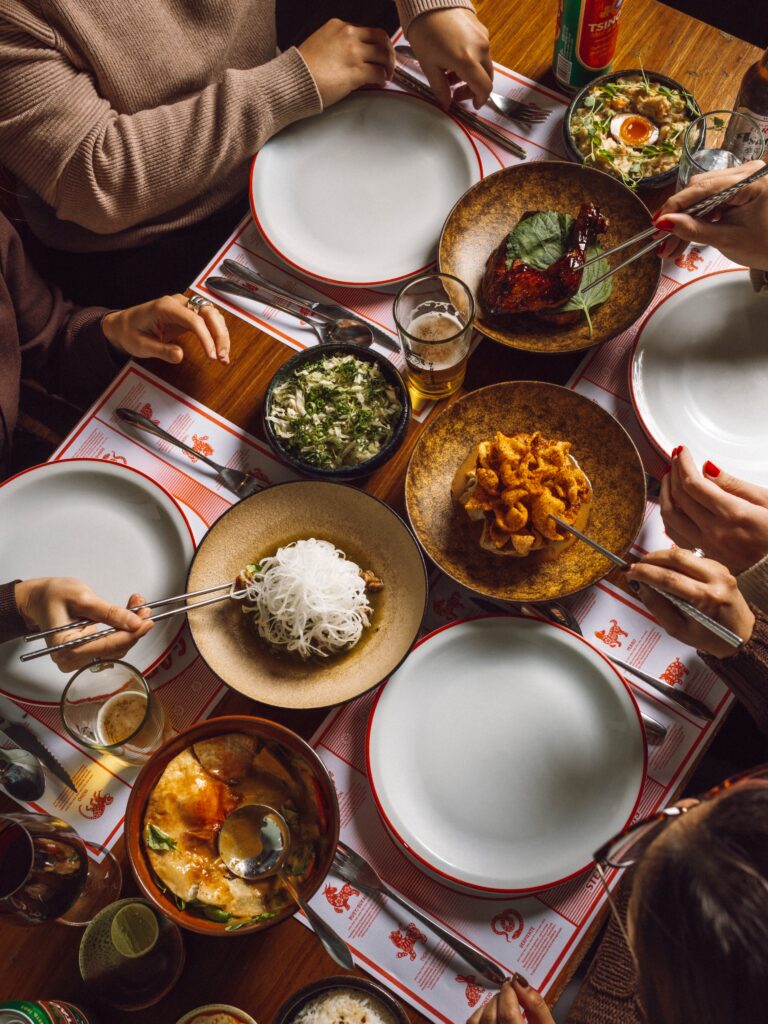
Buenos Aires is known for its late nights. Start the evening at Niño Gordo, an Asian-inspired parrilla in Palermo. Dishes like tataki with ribeye, cured yolk, wasabi, and shiso, or girgolas with tofu, cauliflower, and edamame, show the kitchen’s range. The atmosphere and cocktails make it a strong starting point for a night out.
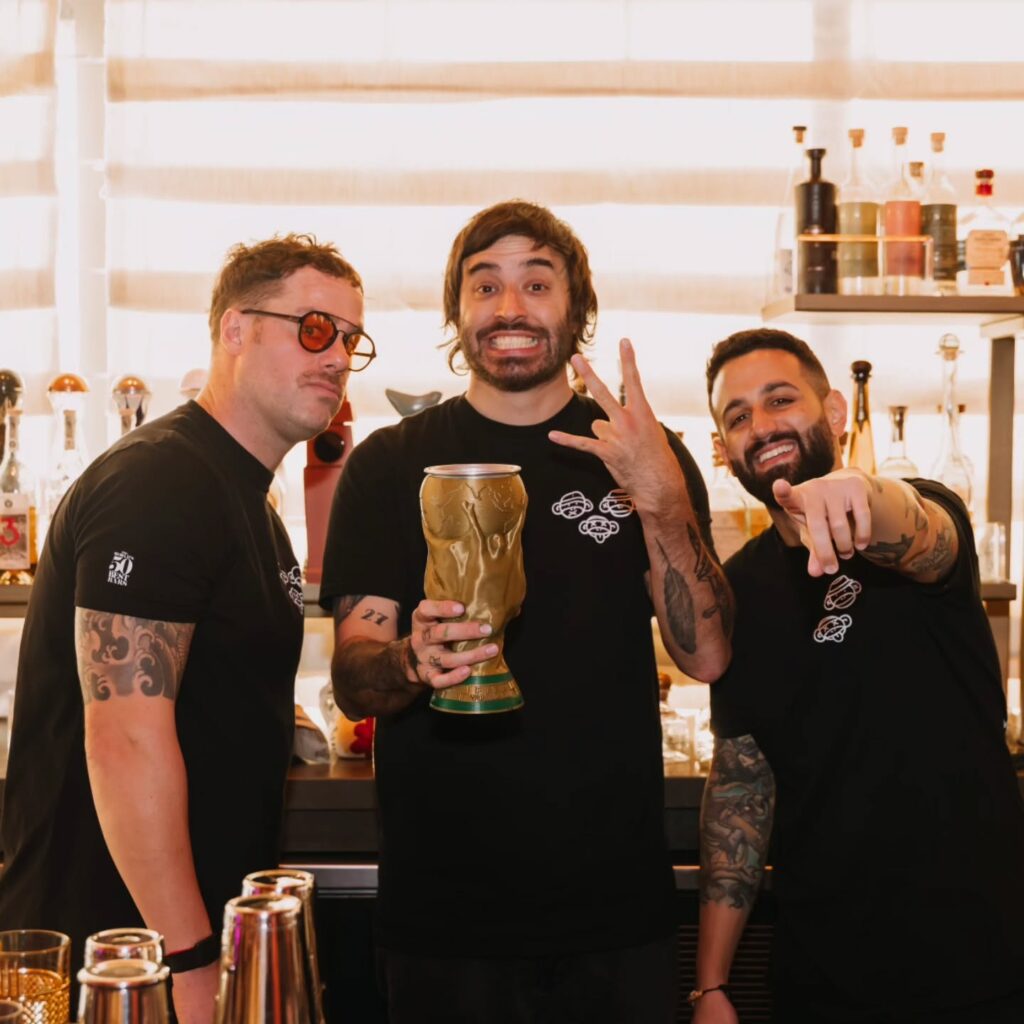
Continue at Tres Monos, a high energy/fine cocktail space that has earned international recognition, ranking 10th on the 2025 World’s 50 Best Bars. Cocktails have a great balance, and the music leads the energy, but when you look deeper, the team has turned Argentina’s recurring economic challenges into a source of ingenuity. Alongside cocktails, they produce their own London Dry gin; coffee, orange and botanical liqueurs; a pear-and-rhubarb cider; and a limited-edition whisky. The botanical range moves across the country, from northern herbal notes recalling muña and rica-rica to southern profiles built around berries from Río Negro. These in-house products give the bar greater control over flavor, cost, and identity.
Next, Víctor Audio Bar combines elements of a listening bar with a lively atmosphere. The space includes private booths, a long bar, and a central DJ. The martini menu is extensive, with options likemartínez, espresso, 50/50, pornstar, dirty, and dry martinis, alongside other classics. Snacks from the Niño Gordo team include mac and cheese croquettes with truffle alioli and pecorino, fries with cacio e pepe, fried chicken, hot dogs with relish, and housemade s’mores.
Day three: A bright winter walk, Don Julio and culture after sunset
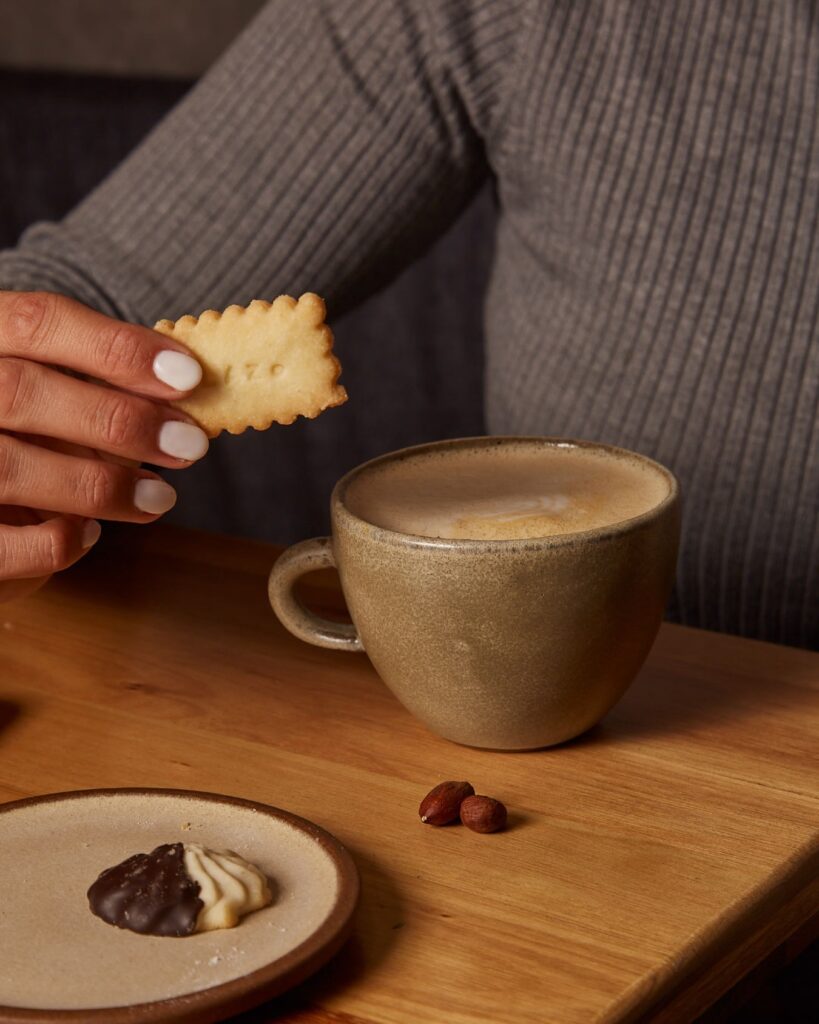
Begin at Cafetería Lazo , the functional opposite of Padre. Power outlets sit beside the tables, making it an easy temporary office. Arrive early, and the workday will already be underway around you. The playlist provided a soundtrack I could sing along to while drinking a cappuccino, with biscuits, facturas, or sandwiches to order; their pour-over menu varies with selected beans from a local roaster.
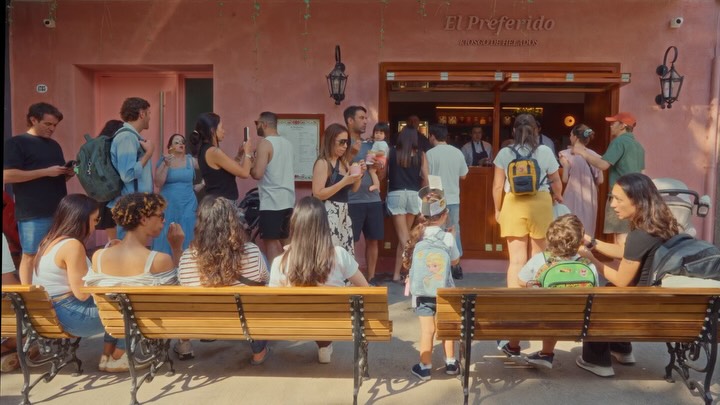
From Lazo, stroll through Palermo on your way to Don Julio. Winter brings a crisp brightness to the streets, casting the city in a cinematic light. Along the way, a pause for ice cream at El Preferido Ice Cream Kiosk de Palermo or a quick coffee can turn a simple walk into something memorable.
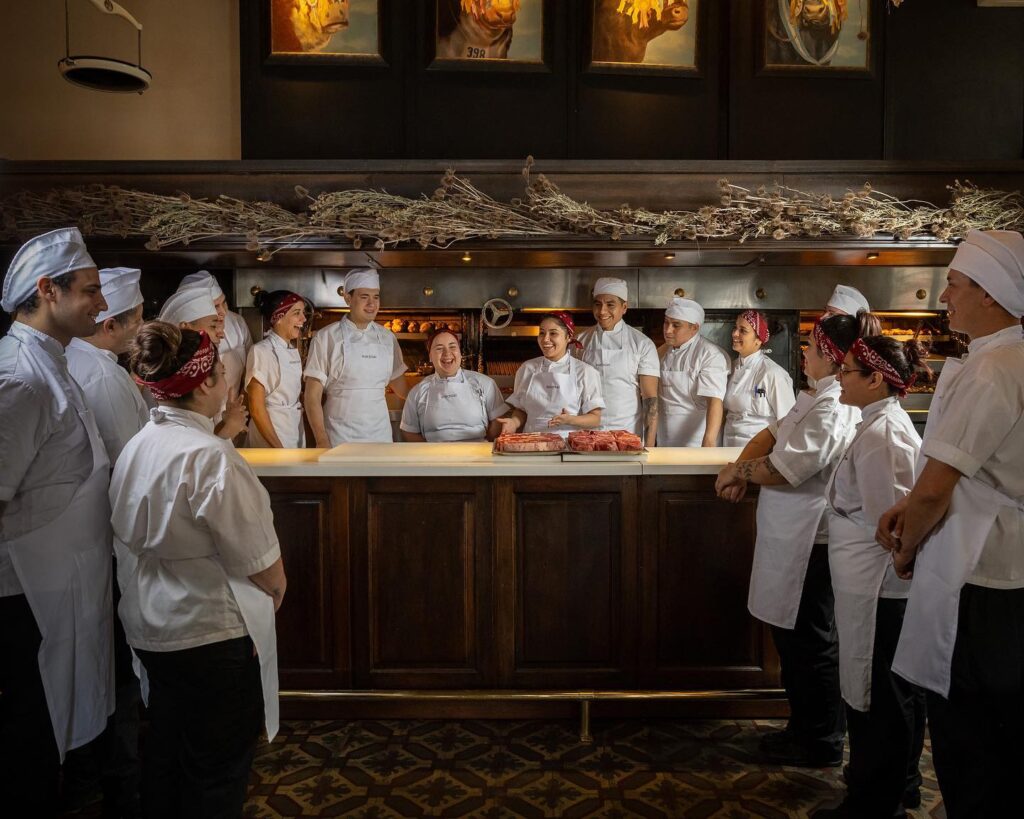
Book Don Julio in advance. Beyond its international recognition, the experience centers on hospitality, Argentine beef, and wine. The menu includes dishes such as steer cecina and libritos, sweetbreads with ember-roasted beetroots and blood orange, strip steak with roasted sweet potato, and gratin zabaione ice cream. Wine pairings are offered in three styles: Modernist, featuring contemporary Argentine producers; Traditionalist, highlighting classic regions and styles; and a non-alcoholic option using seasonal fruits, flowers, herbs, and infusions.
Afterward, take a pause without guilt. Whether it’s a swim, a nap or simply watching the sunset from the rooftop, a little rest is part of the strategy when eating your way through Buenos Aires.
Make room for culture in your plans. Buenos Aires sustains a lively calendar of theater, musicals, classical concerts and international acts, even when times are tough. After dinner, the city’s stages and galleries keep the night going.
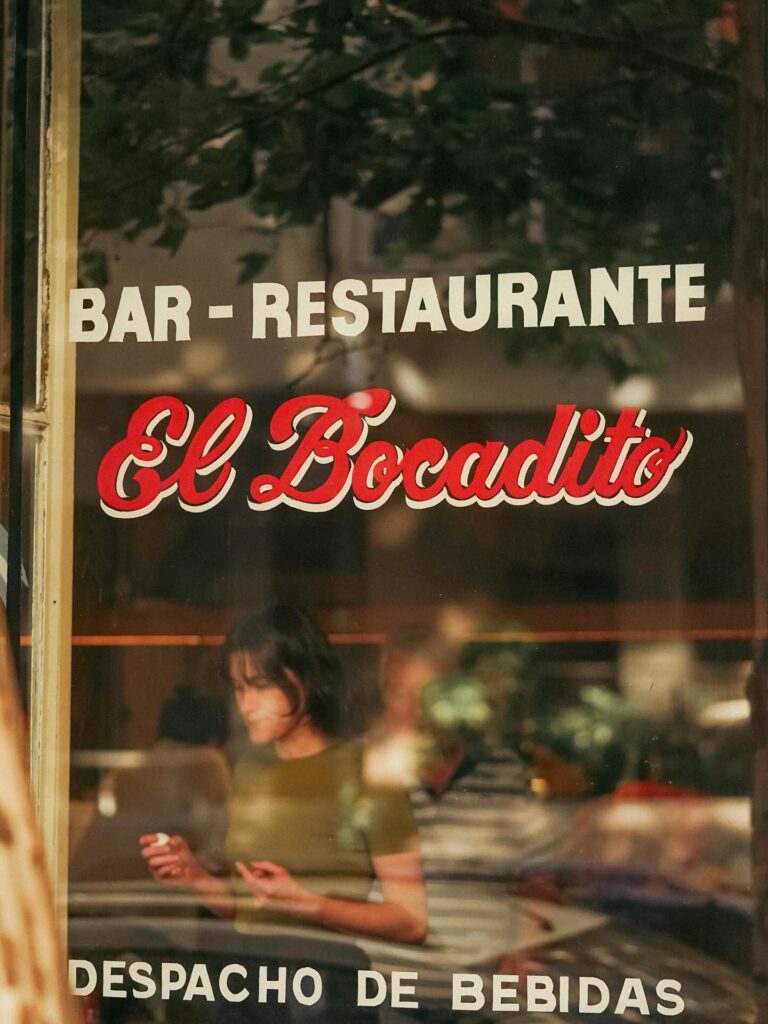
End the night at El Bocadito in Villa Crespo. The space is informal, with exposed walls, simple tables, a handmade oven, and natural wine. Chef Wilson Avellaneda, formerly of Cancha, now serves small bites, pizzas, and dishes designed for lingering. Located two blocks from Movistar Arena, it often draws a post-concert crowd. Highlights include homemade empanadas, a tartare sandwich in gaufrette potatoes, and lamb lehmeyun with labne and green chutney.
Before leaving: Sunday in San Telmo
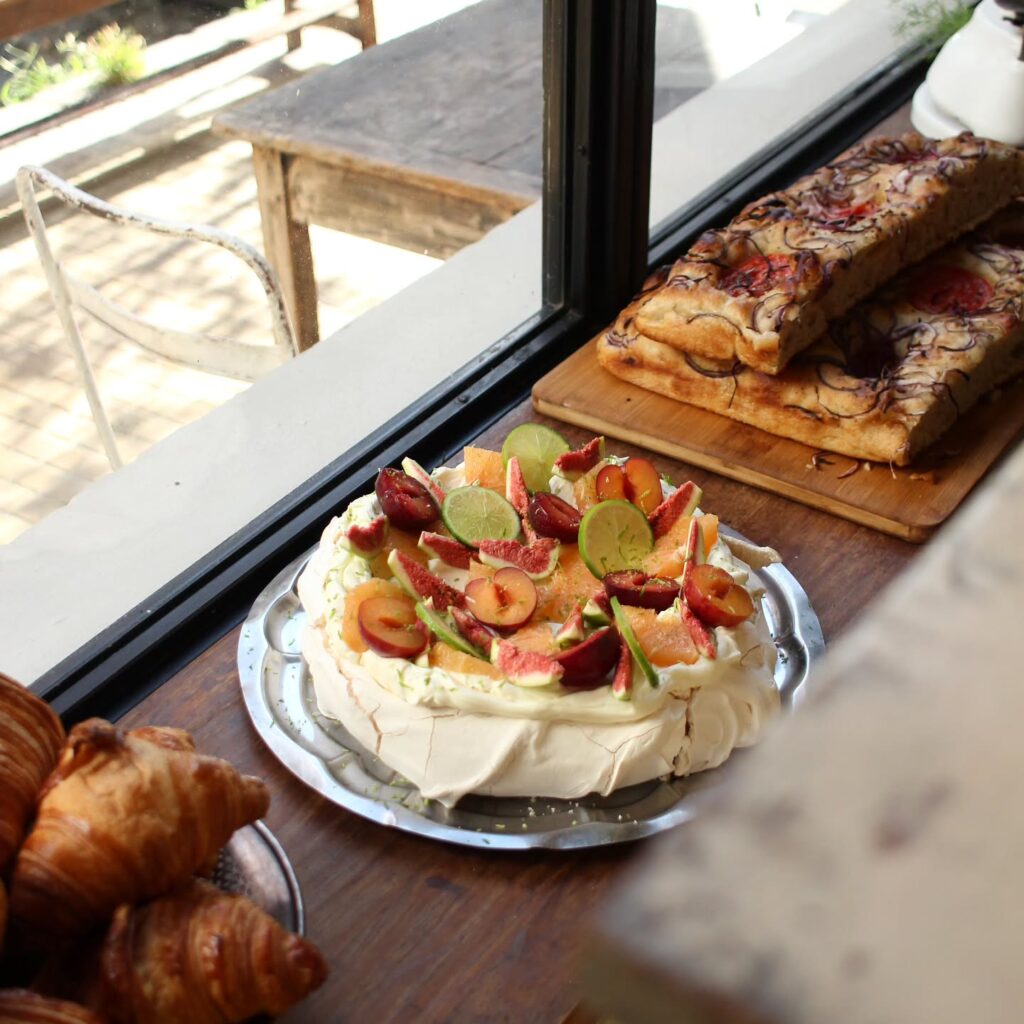
If your flight schedule permits, steal a few hours from a fourth morning and walk from downtown to San Telmo. On Sundays, the antiques fair turns the neighborhood into a sprawling open-air invitation to wander, listen, and take things slowly.
Breakfast—or brunch—belongs at Obrador de Panes & Galletas, a neighborhood gem founded by Carolina Serradilla. Many preparations grow from childhood memories in Río Negro, travel, and recipes preserved in notebooks and handwritten scraps. Breads, cakes, cookies, and facturas are made on-site, with seasonal ingredients that can come from her country home. Serradilla has the compact, magical presence of one of the fairies from Sleeping Beauty, if that fairy’s gift were inventing recipes and writing them on the walls as she worked.
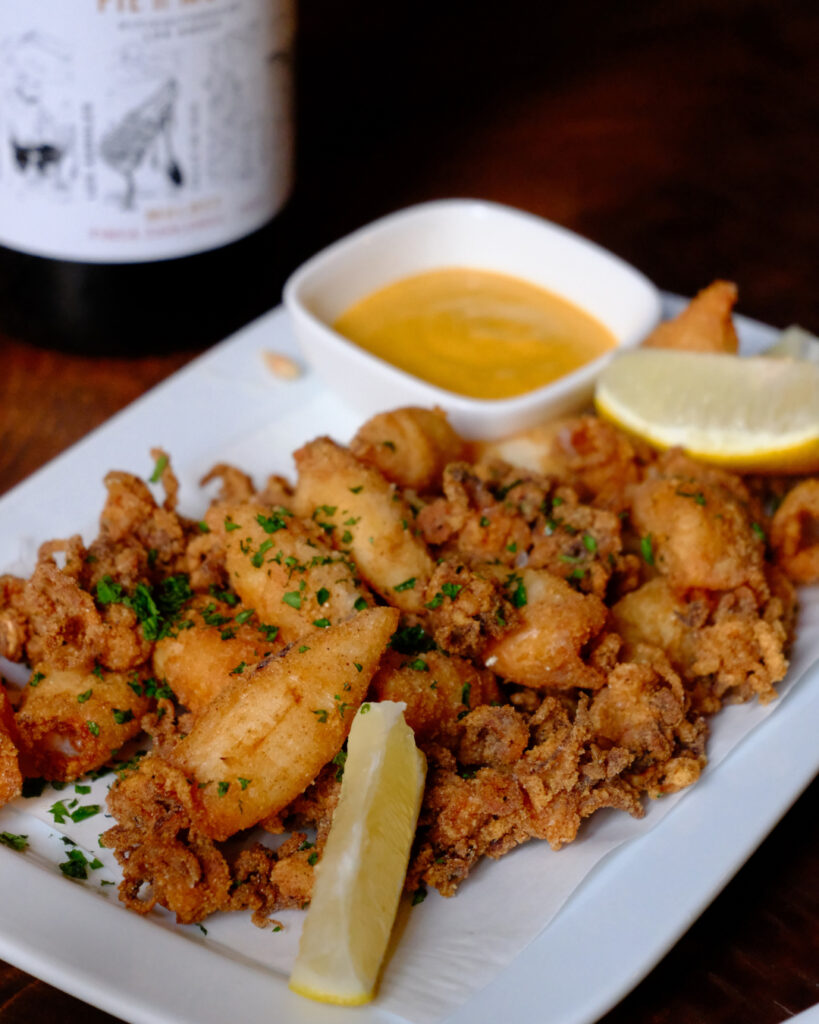
Make Grapín your final stop. It’s name means in Lunfardo (a slang or popular vocabulary originating in the late 19th century in the Río de la Plata region, primarily in Buenos Aires and Montevideo), someone fond of alcoholic beverages, hence why midday cocktails are common when departure is still hours away. Options are wide from wine to cocktails we went for a few classics a Kir Royale and a Dirty Martini with olives, paired with fried baby squid with Kim chi alioli and corn croquettes. The bar offers seating inside and on a back patio, with a large balcony table for groups. It is a fitting farewell to the city.
A route, not a race
Three days are not enough to truly know Buenos Aires, but they are enough to understand how the city invites you in: walk when you can, gather around a table when one appears, and never feel the need to justify a moment of pleasure.
Reserve Don Julio early, secure your spot at the Mirador Obelisco, and keep the rest of your plans open for cookies, ice cream, or a last-minute concert. Buenos Aires will offer plenty of temptation. All you need to do is make space for it.
This trip was made possible in part with support from Visit Buenos Aires.

