

Arequipa is one of the most fascinating regions in Peru for those who are in the hunt for good food and art. Learn more about what to eat and see in the White City.
Arequipa’s traditional gastronomy is based on the concepts of abundance, local ingredients, and excellent flavor. This is also a city for art lovers, and there are many galleries, theaters, and bars. The streets are full of antique shops, bookstores, and boutiques that sell high-quality alpaca clothing and silver jewelry.
Lunchtime in Arequipa: a tradition of picanterias
Gastronomy critic Maria Elena Cornejo says that the food of her native region owes much of its reputation to the picanteria. She elaborates by saying these words: “At home, except for cuy chactado (a traditional guinea pig dish), people eat basically the same food as they would at a traditional restaurant. Where I was born, picanterias were all run by headstrong, kind–hearted, strong women. They weren’t born in the shadow of a volcano for nothing.”
According to the historian Enrique Ramirez Angulo, there is written evidence of picanterias that date back to the 17th century. They arose because itinerant mule drivers needed refreshments and food during their daily work.
La Nueva Palomino
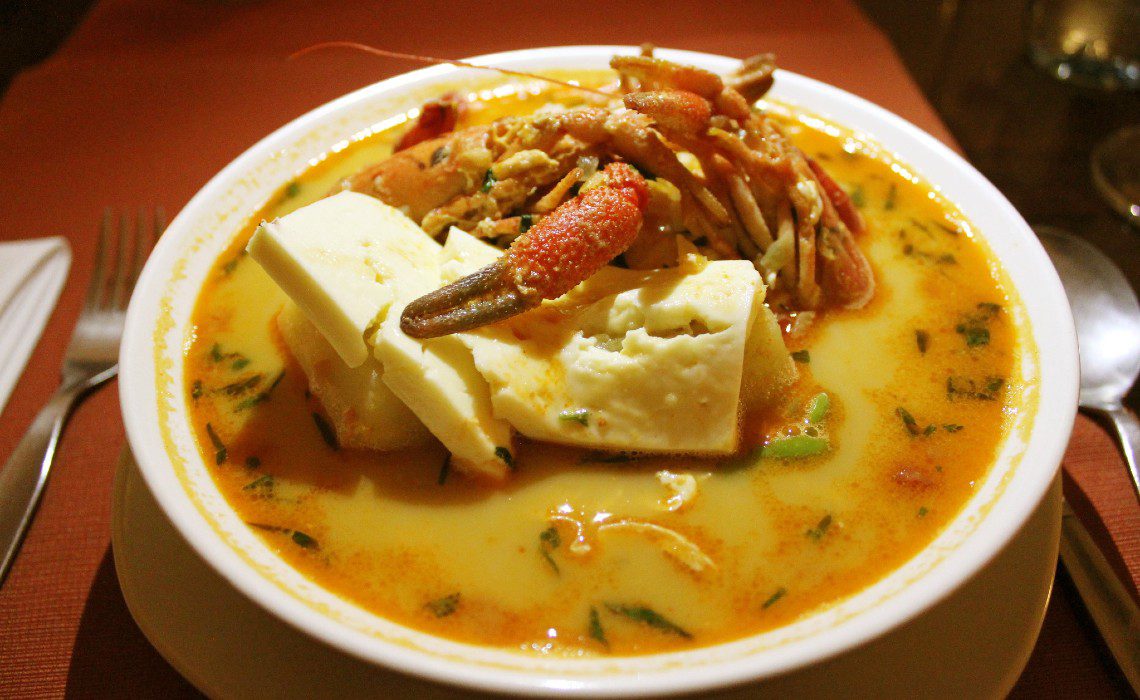
La Nueva Palomino is owned by Monica Huerta, who also founded the Sociedad Picantera de Arequipa, an association of around 30 restaurants. At Huerta’s restaurant, we recommend you try their delicious and aromatic homemade chicha de guiñapo (grounded maiz). Other staples to try: quinoa leaf salad, ocopa, crayfish chowder with quinoa, chaque de tripas (a broth made from potatoes, vegetables, tripe and meat), and the restaurant’s classic escribano: white potato, rocoto pepper, tomato and small crayfish stir-fried in chicha vinegar.
As for the region’s staple starter ish, rocoto relleno, Cornejo says it “started being served in the 1950s and is now three or four times the size it was then.”
More picanterias worth visiting
La Capitana is another small eatery where the food is cooked on wood fire. The restaurant is famous for its rich stews such as patita con mani (chicken with peanut sauce), pastel de tallarin (a pasta casserole), and aji de calabaza (peppered pumpkin).
On Mondays, it serves its famous chaque —a hearty mutton or beef broth with vegetables and wheat, often also made from cow intestines. Despite the offsetting sound of eating cow intestines, there are often lines of customers who are waiting to try it.
La Benita de Characato is another worthy name for this short list of restaurants. Ramirez Angulo notes that the recipe used in this restaurant to make chicha has not changed since 1829, and it’s fermented in large earthenware jars. It also serves chowders, vegetable torrejitas (Peruvian-style tortilla), zarza de patitas (a chicken-based dish), and solterito de queso (a vegetable and legume dish), as well as ají de calabaza and estofado de chicha (chicha stew).
We will end our short tour with La Lucila in Sachaca, another traditional restaurant where the food is cooked over wood. It’s famous for its ocopa, but also guinea pigs, ribs a la piedra and crayfish chowder. Ask for the puddings, which are still made in the traditional way.
Eating at night after the picanarias have closed
This comforting, home-cooked food inspired new entrepreneurs to open more contemporary restaurants in Arequipa. Their respect for ingredients and tradition remains, but the dishes have evolved. Since the picanterias are only open during the day, we recommend that you make your visit at the end of the afternoon in order to mark the perfect start to a night of cocktails and music.
One of these is Gaston Acurio’s Chicha which serves a tasty Peking guinea pig. Also pay a visit to ZigZag, which has a great atmosphere and offers a trilogy of alpaca, beef and ostrich meat. Lastly, don’t forget about La Trattoria del Monasterio, which serves delicious pasta, pizzas, and a powerful ossobuco. All of these establishments serve creative cocktails, wines, and beers.
Art and culture in Arequipa
The cultural life of Arequipa has always been vigorous. The inauguration of the Museum of Contemporary Art (MAC) in 2003 gave a boost to the art scene. It now holds some interesting collections and has a permanent gallery of contemporary Peruvian painting. A visit to the Mario Vargas Llosa library, also known as the Casa de la Literatura Peruana is also a must.
Exhibitions are also organized in galleries such as the Centro Cultural Peruano Norteamericano or Alianza Francesa. There are also some interesting antiquaries near to Santa Catalina Convent and exhibitions in the Instituto Cultural Peruano Aleman and the Museo Virreinal Santa Teresa.
Theater and music are also big in Arequipa. A great place to go is Teatro Fenix. To see what’s happing during your visit, don’t forget to check out the theater’s website. Also look out for Siete Esquinas, which displays various activities and programs programs. They also publish an entertainment and cultural bulletin that is continually updated.
You will never be bored in Arequipa. And just strolling in the Main Square under the moonlight, with that clear, star-filled sky overhead is enough to tempt you back time and time again.
Source: Ultimate Journeys
Cover photo: Jonathan Crow/Flickr

