
On April 3, 1899, a ship with 790 immigrants from Japan arrived at the port of Callao. It was the “Sakura Maru”, which transported young farmers, brought to work from sunrise to sunset on the large sugar estates of the north coast of Peru. They had departed from the port of Yokohama, on February 27, 1899, as you can read in El Comercio.
Known as the Nikkei, these immigrants maintained their traditions in Peru, but at the same time they were able to integrate in a healthy way with the existing culture. “Examples of this have been its main representatives in the most diverse areas of scientific, artistic, humanistic and business knowledge”, the aforementioned website said.
In 1917 they also organized themselves into the Japanese Central Society and the Japanese Peruvian Association (APJ).
As a tribute to the Nikkei culture, El Comercio highlighted some of the members of the Japanese immigrants in Peru have taken important part in the country’s culture:
Akira Kato: A player in the Japanese volleyball team who later became interested in technical direction. He was asked to come to Peru to lead the senior women’s volleyball team and he arrived in May 1965. He was able to achieve Peru’s first successes in the Olympics and World Volleyball.
Tilsa Tsuchiya: Her parents were the Japanese doctor Yoshigoro Tsuchiya and the Peruvian Maria Luisa Castillo. She developed herself as an artist and her works made it to walls in Mexico, Colombia, Venezuela, Ecuador, Cuba, Holland, the United States, and of course Peru.
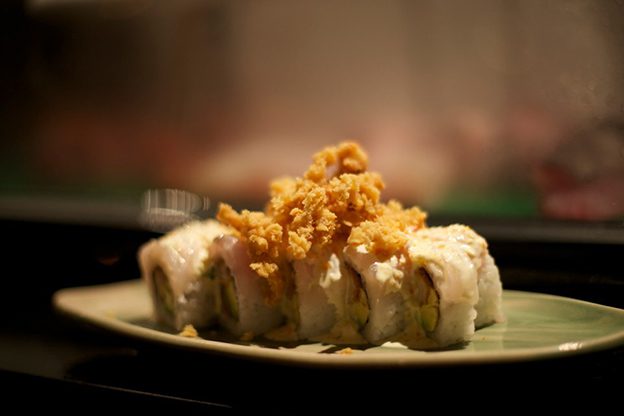
Humberto Sato: At age 15, Mr. Sato surprised his parents by raising with his own hands a joint called “El Coral”. But his fame is given as a pioneer of the Nikkei cuisine in Peru.
Toshiro Konishi: He was a Japanese chef who founded, along with his friend Nobu Matsuhisa, the Matsuei restaurant, the first Japanese food establishment in Peru.
Angela Harada: At her 80 years, the well-known “Princesita de Yungay” continues to give everyone samples of her musical vitality. Lover and representative of Andean music, this yungaína (Yungay, Ancash) and descendant of Japanese, is a living example of Peruvian folkloric talent.

