
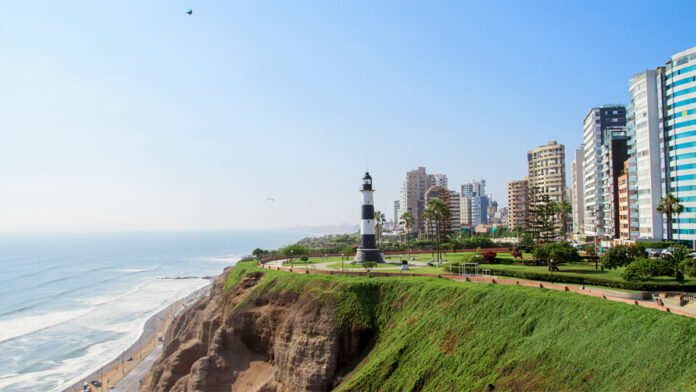
If 2025 proved anything, it’s that Peru is no longer “emerging” in gastronomy, travel, or lifestyle. It is present, coherent, and, more importantly, spans disciplines and continents.
From restaurants and bars to hotels, coffee shops, fashion, and creative industries, Peru didn’t rely on a single spotlight. It showed up everywhere and held its ground.
Gastronomy: Peru at the Center of the Global Conversation
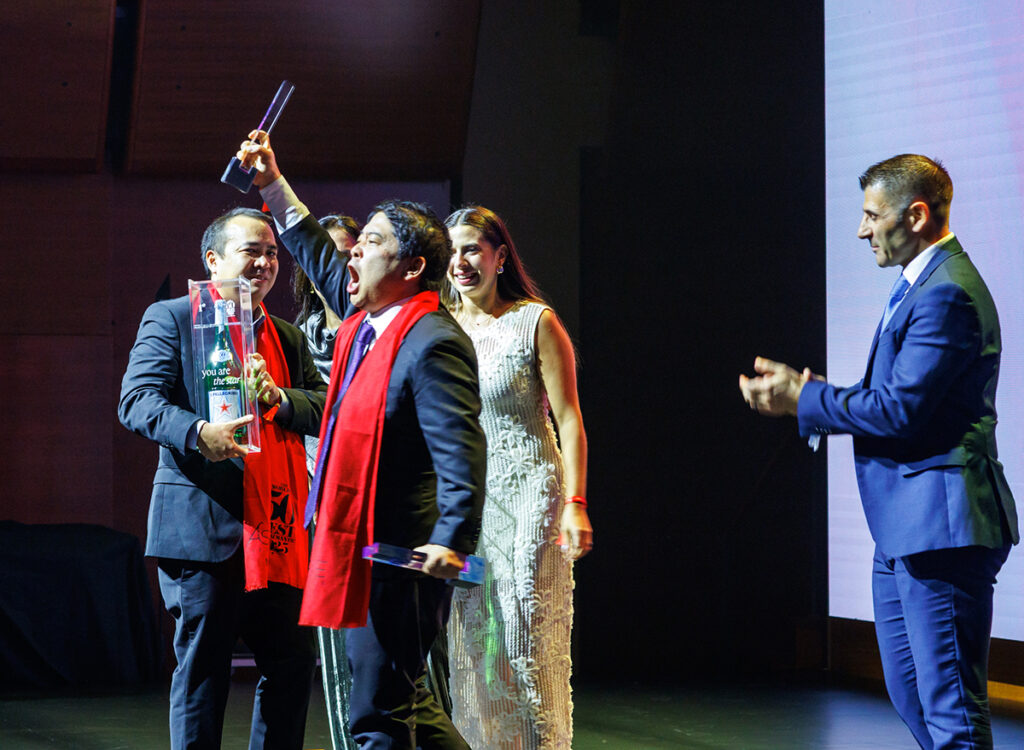
It was a defining year for Peruvian gastronomy on the world stage.
Peru reaffirmed its leadership at the highest level of The World’s 50 Best Restaurants, with Maido taking the No. 1 spot in the global ranking. It marked the second time in just two years that a Peruvian restaurant claimed the top position (after Central was named the best in the world in 2023), further consolidating Peru’s place at the center of the global restaurant conversation.
The recognition didn’t stop there. Kjolle ranked No. 9, followed by Mérito (26) and Mayta (39), during a ceremony held in late June in Torino. Then, in December, the Latin American edition reinforced the message: Kjolle took the No. 2 spot and was named Best Restaurant in Peru, joined by fourteen more Peruvian restaurants across the extended 51–100 list, including Mérito, Cosme, Mayta, La Mar, Rafael, Osso, Mil, Shizen, Clon, and Astrid & Gastón.
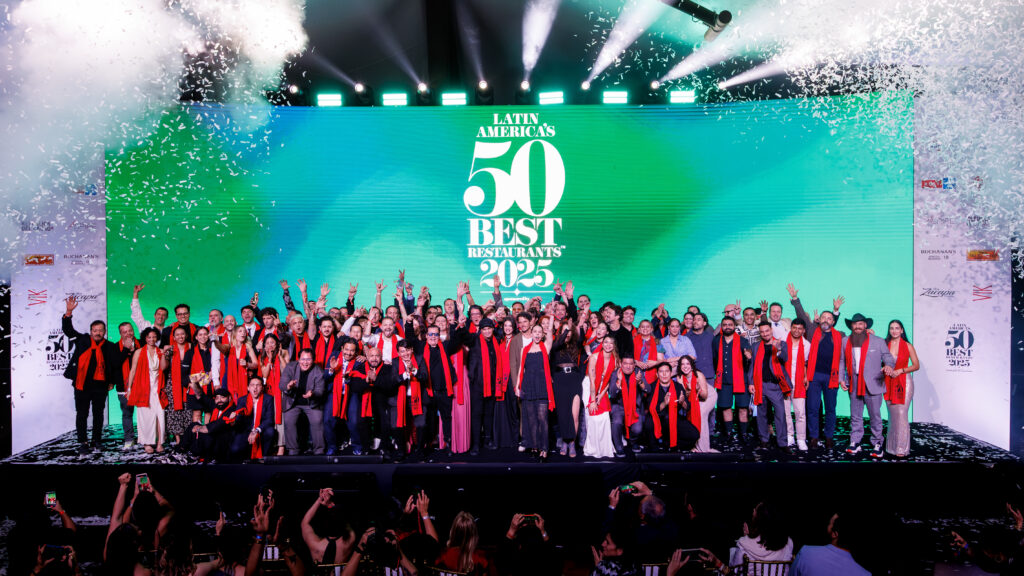
Together, these results made one thing clear: Peru is not a one-name country or a one-hit wonder. It is a culinary ecosystem, built over decades by chefs, teams, producers, and regions working in concert.
At the same time, Peruvian chefs continued to expand their presence across continents. From Europe to North America and beyond, Peruvian professionals are leading kitchens, shaping menus, opening restaurants, and influencing how Latin American cuisine is understood globally.
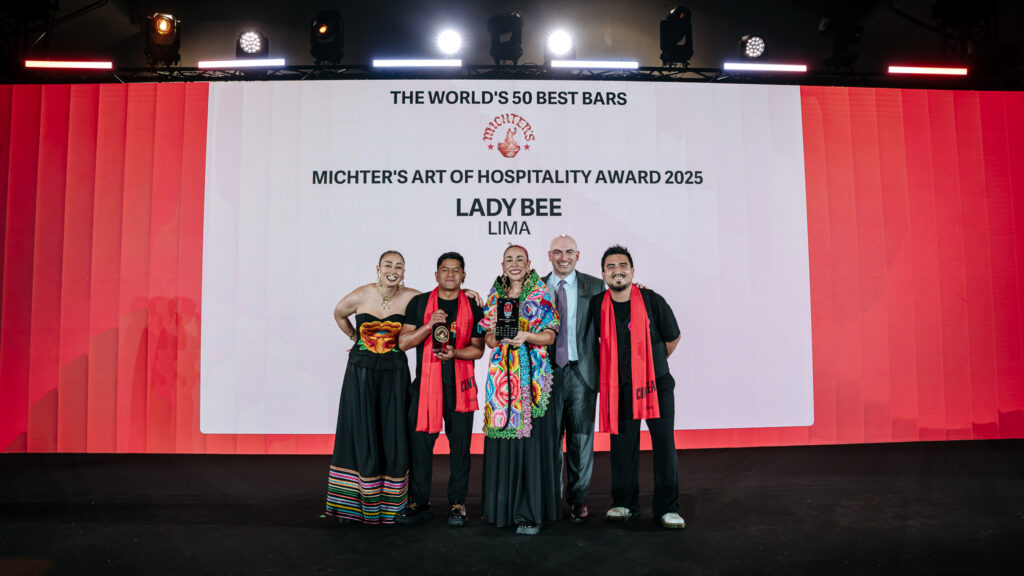
Bar culture followed the same trajectory. Peru’s liquid scene continued to gain international recognition within The World’s 50 Best Bars. Lady Bee landed at No. 13, while Sastrería Martínez took the No. 33 spot. Two entirely different concepts, both rooted in local ingredients, technique, and storytelling. Together, they reaffirmed that cocktail culture is now a core pillar of Peru’s gastronomic identity.
Hotels and Travel: Recognition at the Highest Level
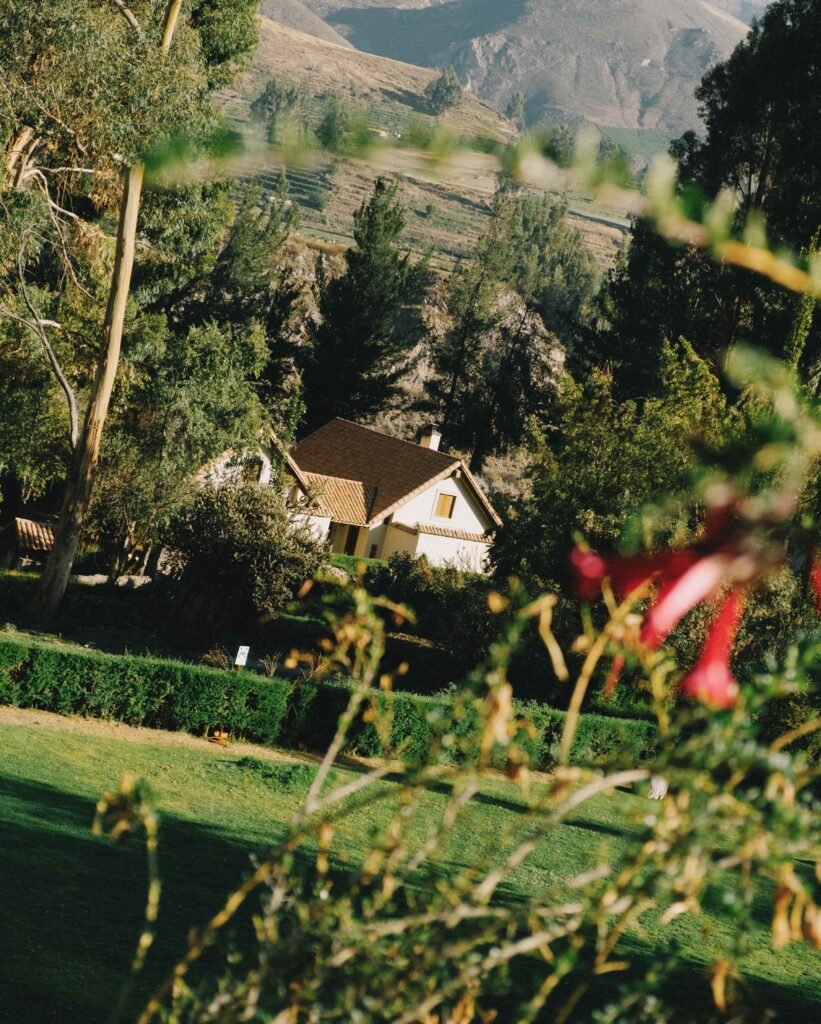
Hospitality reached a new benchmark in 2025.
The arrival of the MICHELIN Key Hotels marked a turning point. For the first time, hotels in Peru were evaluated under a global standard that values not only luxury, but also experience, design, service, and a strong sense of place.
Fourteen hotels across the country were awarded Keys. Las Casitas, A Belmond Hotel, in the Colca Valley received Three Keys, while Titilaka (Puno), Cirqa (Arequipa), Inkaterra La Casona and Inkaterra Hacienda Urubamba(Cusco) earned Two Keys. A further group received One Key, including Miraflores Park, A Belmond Hotel, Hotel B, Atemporal (Lima), Monasterio, Inkaterra Machu Picchu Pueblo, Río Sagrado, A Belmond Hotel, Tambo del Inka, Explora Sacred Valley, and Palacio Nazarenas, all in Cusco.
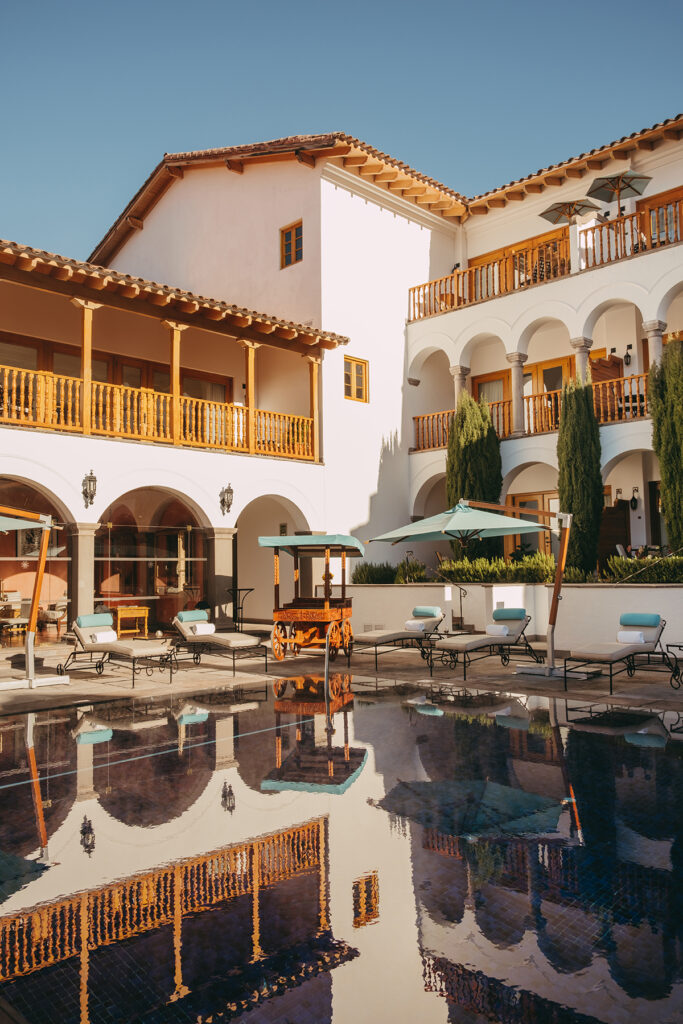
Notably, Palacio Nazarenas also became the only Peruvian hotel to enter The World’s 50 Best Hotels, reinforcing Peru’s position as a destination where hospitality is deeply tied to landscape, culture, and gastronomy.
Travel narratives shifted accordingly. Peru was no longer just about iconic landmarks—it became about how to stay, how to move, and how to experience the country slowly and meaningfully.
Coffee: Peru Stepped Into the Spotlight
2025 was also a breakthrough year for Peruvian coffee culture.
Peruvian coffee shops earned recognition in both The World’s 100 Best Coffee Shops and Latin America’s 100 Best Coffee Shops, validating years of work by producers, roasters, and baristas who have been quietly raising standards.
This recognition goes beyond cafés. It speaks to origin, traceability, technique, and education. Peru stopped being seen only as a producing country and began to be recognized as a place where coffee is roasted, brewed, and experienced at a truly world-class level.
Fashion and Lifestyle: Peru Beyond the Plate
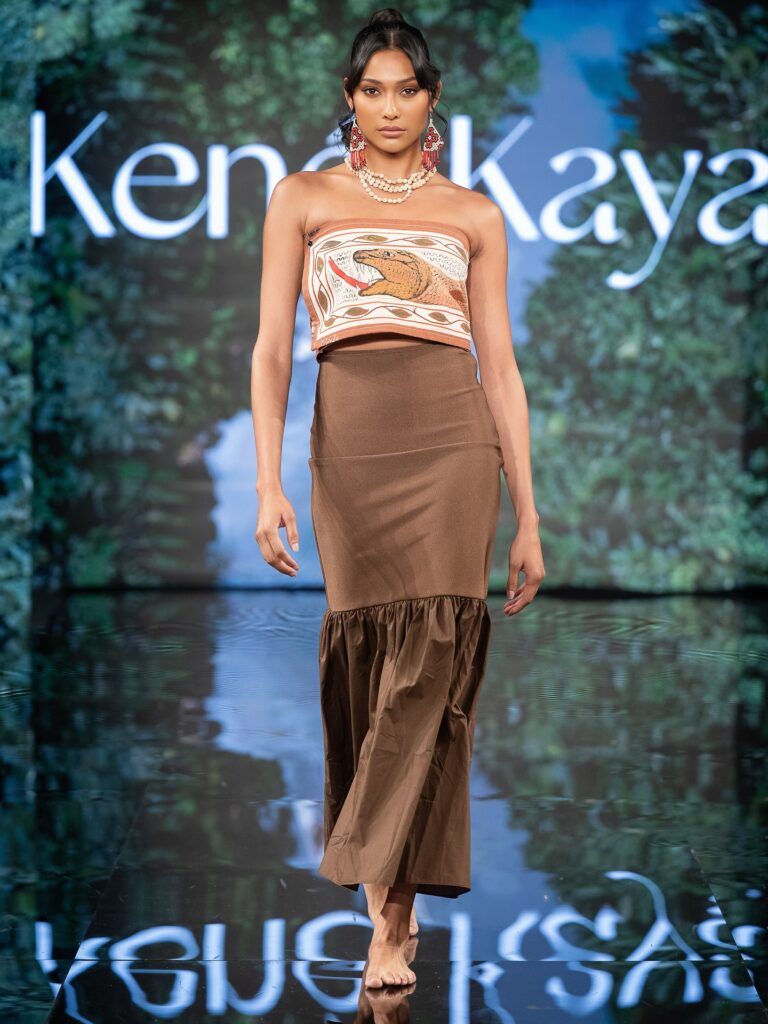
Peru’s creative reach extended far beyond food.
Sustainable Peruvian fashion brands continued to gain international traction, appearing in global markets, concept stores, and fashion conversations rooted in alpaca fiber, ethical production, and contemporary design. These brands are not selling folklore; they are selling modernity with identity.
Design, art, and lifestyle projects echoed the same idea: Peru as a source of creativity that travels well, adapts, and competes globally without losing its voice.
What Made This Year Different
What connected all these moments was consistency.
Peru didn’t depend on a single chef, hotel, bar, or product. It showed strength across categories. Food, drink, travel, coffee, fashion, and lifestyle moved together, reinforcing one another.
Following these stories in real time, not only during award season, what stood out most was confidence. Peru has earned the world’s attention, and 2025 made that unmistakably clear.

This new year is dedicated to the memory of Carsten Korch, founder of Living in Peru. We are deeply grateful for the platform he created more than twenty years ago, one that continues to live on by telling Peru’s stories with curiosity, rigor, and generosity.
DQ

