

Madam Tusan is celebrating its 15th anniversary this year. This milestone highlights not only its lasting presence but also its influence on how people today experience chifa, Peru’s Chinese-influenced cuisine. From the beginning, Madam Tusan has brought together Peruvian and Chinese cultures, turning that mix into a unique dining experience. Over the years, it has moved from a traditional take on chifa to a more modern style, using new techniques, updated presentation, and a wider menu that now includes vegetarian and sustainable choices.sustainability-driven options.
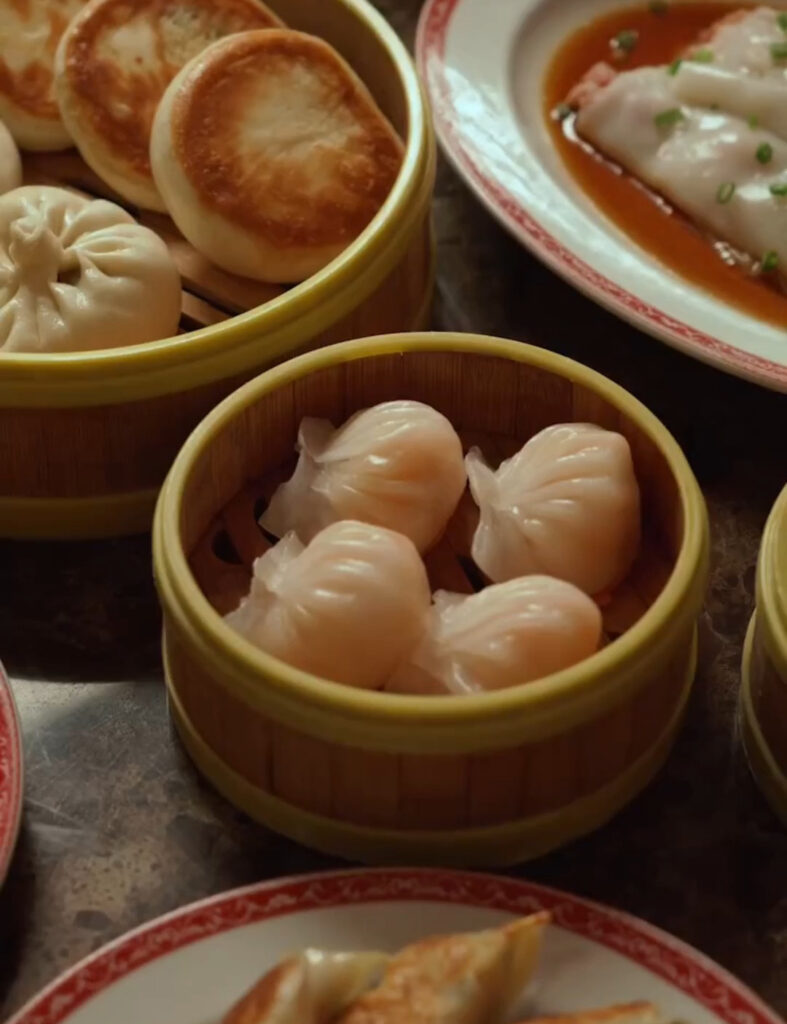
This change reflects a bigger trend in Lima’s dining scene, where classic styles are being updated for new diners while still keeping their cultural roots. In this setting, Madam Tusan has stayed relevant by balancing tradition with new ideas.
A social space as much as a restaurant
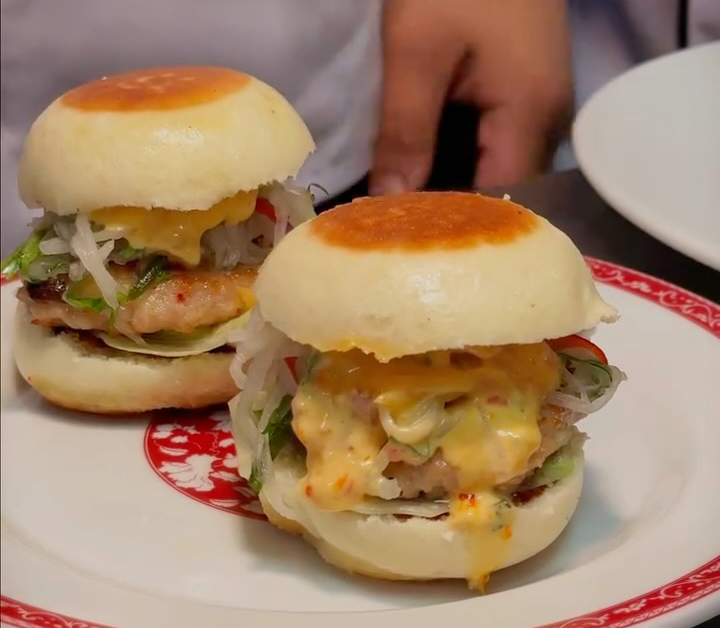
One reason Madam Tusan has lasted is that it’s more than just a place to eat. For fifteen years, its locations have hosted both everyday meals and special celebrations, making it a social hub in Lima’s casual dining scene.
The brand says customer feedback has been key in shaping its menu and growth plans. This approach fits with the growing trend of community-focused hospitality.
Looking outward: a Hong Kong connection

To mark its anniversary, Madam Tusan is launching a campaign that connects with the roots of its food. The restaurant will host a special dinner featuring an eight-course menu inspired by classic chifa dishes, reviving flavors from earlier generations of Chinese-Peruvian cooking. 50 diners will be selected to attend this exclusive dinner, with the added incentive of entering a draw for an all-expenses-paid trip for two to Hong Kong, widely considered one of the world’s most influential culinary capitals.
To take part, guests need to dine at the restaurant between April 6 and 30. Each guest will get a fortune cookie, which might include an invitation to the anniversary event.
Chifa, reinterpreted
Fifteen years in, Madam Tusan’s trajectory speaks to the continued evolution of chifa as both a cultural and commercial format. What began as a reinterpretation of a deeply rooted tradition has become part of a broader conversation about identity, adaptation, and the future of Peruvian dining.
In a market defined by constant reinvention, the challenge now is less about recognition and more about how far it can push that balance between heritage and innovation.

