
Where the Peruvian Amazon meets Germany, the regions of Junin and Pasco offer adventurous travelers an unforgettable experience without the hassle, crowds or inflated prices of popular tourist sites.
Peru is likely on international traveler’s bucket list, mostly due to the enchanting city of the Incas, Machu Picchu, and to a smaller extent Cusco, Lake Titicaca and the Nazca Lines (rarely does the itinerary include traveling to the Peruvian Amazon). Most travelers arrive at the Lima International airport and immediately catch a connecting flight to Cusco province because, well, their knowledge of Peru is limited. While these globally renowned sites are worthy of the high praise, they also come with large crowds, aggressive touts and inflated prices.
The good news for adventure travelers is that the Andean country also contains a plethora of hassle-free, jaw-dropping sites, such as the natural sites found in Junin and Pasco regions of the Peruvian Amazon.
Junin

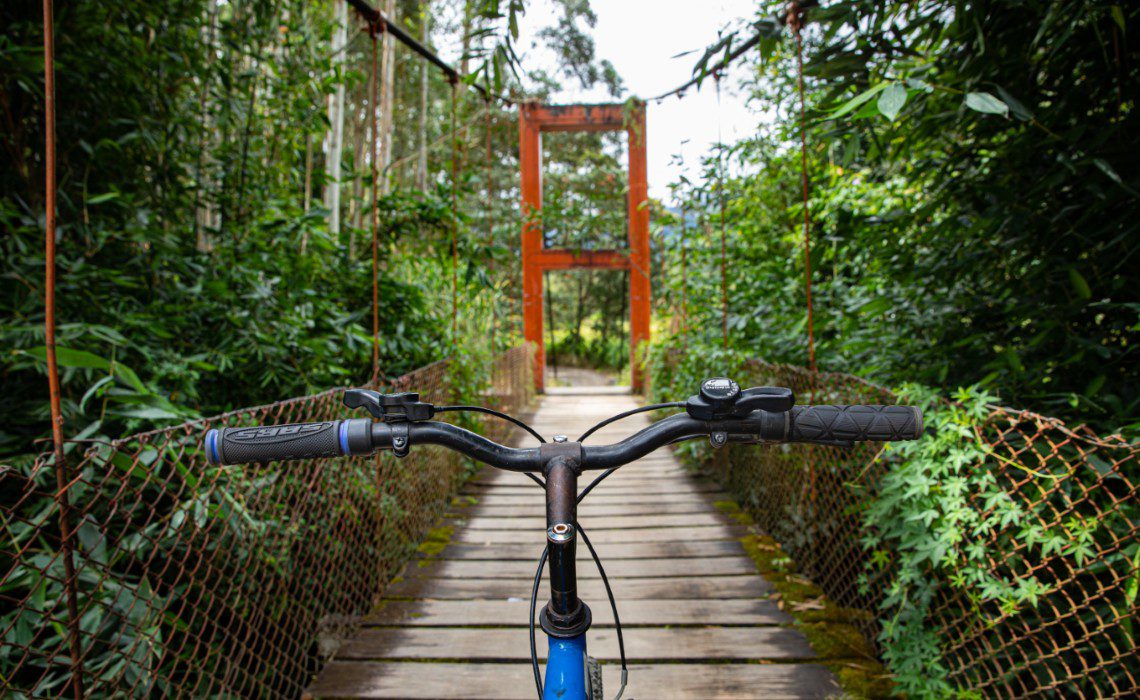
Colgante Kimiri suspension bridge Landscape of La Merced

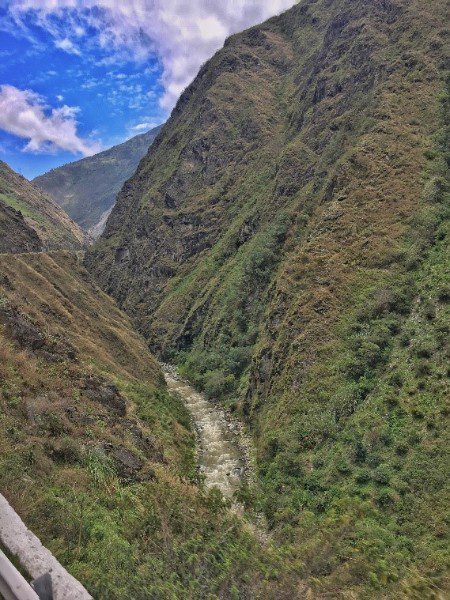
The Junin region is geographically located in the central highlands of Peru where the westernmost part of the Peruvian Amazon is located. The capital, La Merced, is only about 300 km from the Peruvian capital Lima and the 9-hour trip starts at sea level in the second largest desert city in the world (first being Cairo).
Traveling to this section of the Peruvian Amazon passes over the Andes Mountains at elevations of just below 5000 meters, where some of the world’s highest towns are situated such as Cerro de Pasco, and Oroya. If you take the journey during the day you can experience the stunning mountain scenery, including ice-cap peaks, high altitude lakes, large plateaus and deep narrow canyons. Then, about two hours before the bus arrives to La Merced, the even more breath-taking natural green jungle scenery begins with narrow glacier shaped canons and brown rivers.
The jungle scenery and attractions around La Merced make the trip from Lima worthwhile alone. Within a few hours of the regional capital—mostly around Perene, San Ramon and Yurinaki—there are a half dozen impressive waterfalls such as Tirol, and La ducha del Diablo, a native Ashaninka village, the impressive Colgante Kimiri suspension bridge (built in 1901) and dozens of pools surrounded by jungle scenery. It is in this region where a large part of the 2010 movie “El Dorado: Temple of the Sun” was filmed, starring B-side actor Shane West. Film scenes included the impressive Velo de la Novia and Bayoz, which are actually located only one kilometer of each other.
Pasco
Rio Tigre Waterfall Waterfall in Pasco region
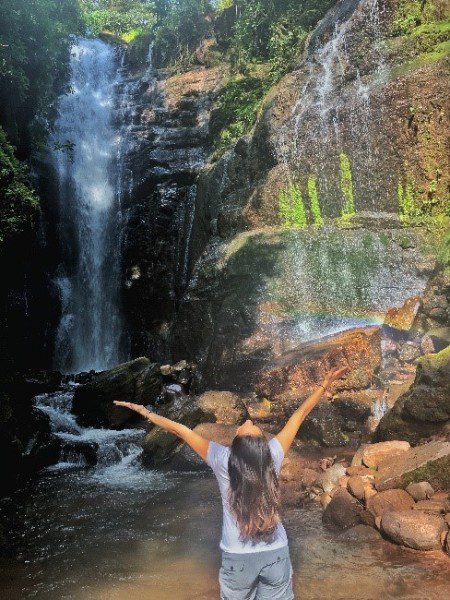
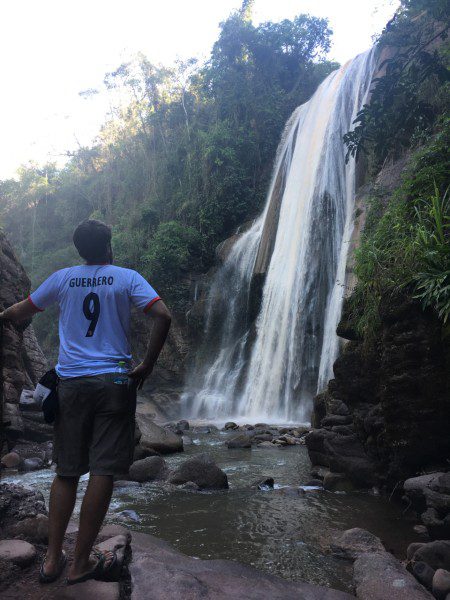
While Junin is impressive on its own, the real crown jewels of this part of Peru can be found in the high jungle. The neighboring Pasco region is home to two German settled towns: Oxapampa and Pozuzo. These towns were founded in the 19th century by Tyrolean and Prussian settlers and are major ranching, coffee and fruit producing regions. The Tyrolean style houses in the Peruvian jungle combined with a mix of typical Peruvian and blue-eyed German rooted Peruvians makes you second guess your location. The towns are about 77 km from each other and are both surrounded by beautiful jungle scenery, including several notable waterfalls such as Rio Tigre, Anana, Rayantambo and Torrebamba.
Many other attractions can be found around the two towns, including several caves, and adventure sports such as canopying, tubing, rafting and climbing.
What to eat
There is a German brewery in Pozuzo that serves both towns, plus dairy factories such as La Floralp that produce 20 types of local cheeses and an assortment of unique yogurt flavors, such as quito fruit (lulo), that are not sold in other regions of Peru.
The coffee shops around the town combined with typical Peruvian jungle dishes such as tacacho, cecina, and locally grown trout that tastes like salmon further cements the great regional cuisine. Plus you can even visit El Wharapo, a local factory in Chontabamba where you can watch how they make their famous sugar cane alcohol drink called aguardiente (careful not to burn your esophagus by pouring some down your throat).
There is much tradition to be found here, though Oxapampa actually holds the largest alternative music festival in the country each year called Festival Selvámonos. The event includes two days of concerts (national and international bands) as well as cultural activities throughout the week prior.
And for those coffee lovers, one of Peru’s major coffee producing districts is Villa Rica, which sits around 1500 meters (the ideal growing altitude for coffee).
Simply put, these regions are very easy to fall in love with because there are not too many places in the world like them. By traveling to the Peruvian Amazon—specifically to the Junin and Pasco regions— you can drink high quality, locally produced coffee in the morning with a German style breakfast, tour jungle waterfalls and caves in the afternoon, eat river trout ceviche for lunch, and drink steins from a Germany brewery at night while watching the sun fall over the high jungle mountains.
Cover photo by AmaraPhotos. All other photos courtesy of author.

