
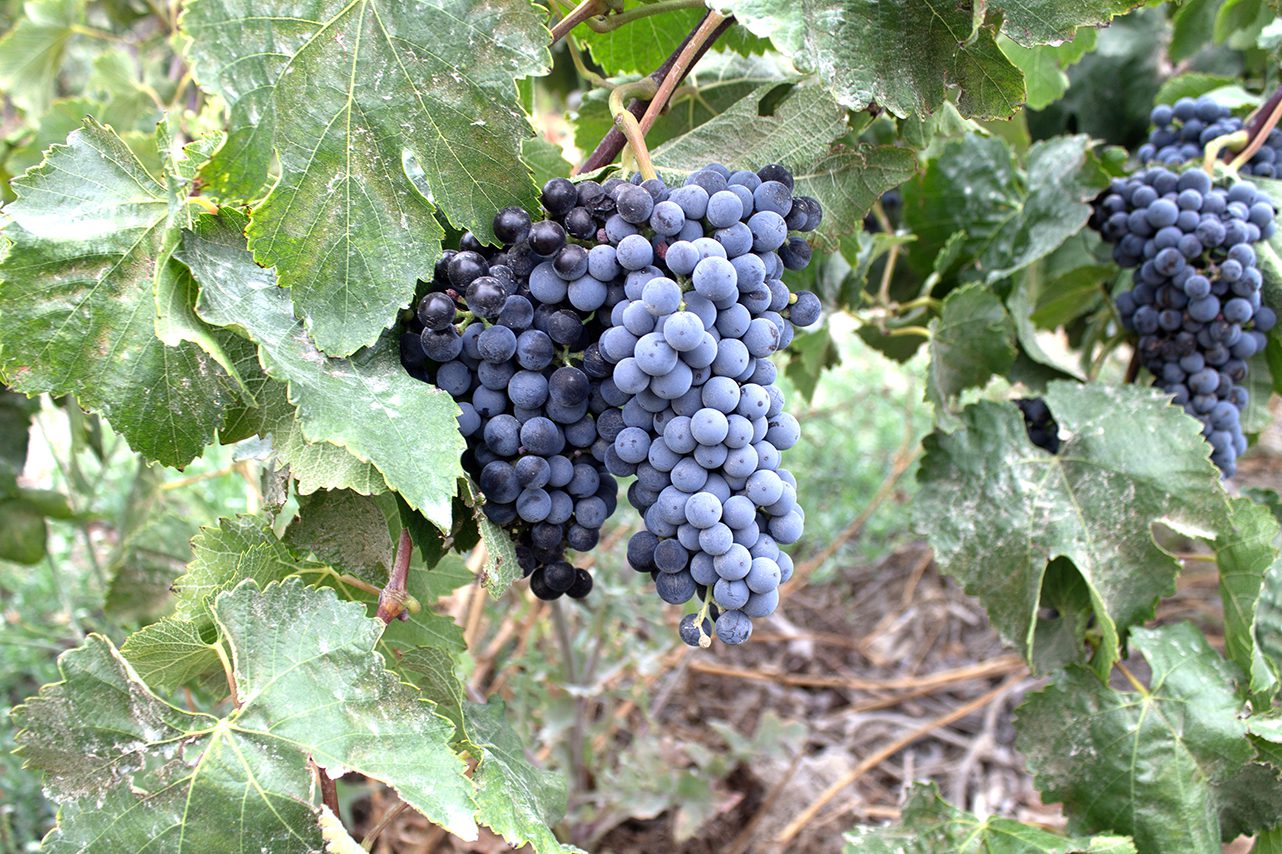
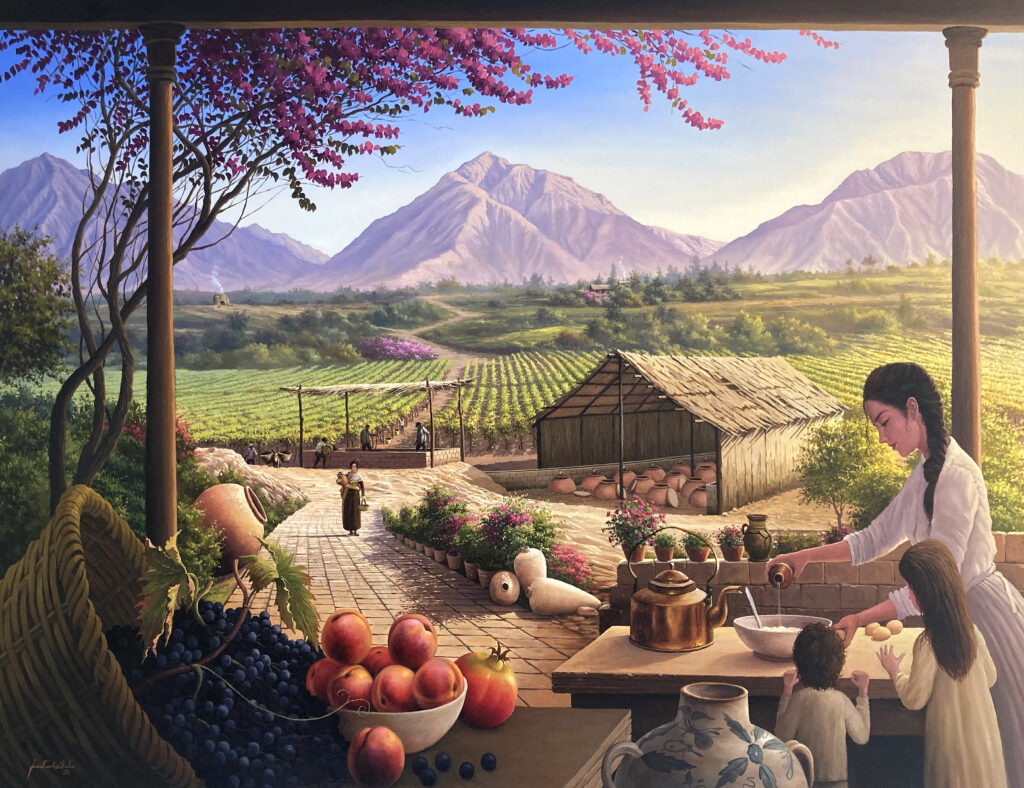
Peru was the first place in the continent to receive grapes for winemaking. During colonial times, Spaniards came to Peru and started the winemaking process. Historian Guillermo Toro-Lira states that the first vineyard in South America was planted in Lima between 1539 and 1541 by Hernando de Montenegro, a Spanish captain. The first wine was made in 1551, marking the beginning of a new era of winemaking in the New World; the first grapes that were planted were Listan Prieto, locally known as Negra Criolla, that lately extended on the southern part of the continent as Uva País in Chile and Criolla in Argentina.
For the past 15 years, Perú has been pushing high-quality winemaking from several regions, from Lima in the Cañete province outside Lima City. Following is Ica, where grapes thrive on a disserted land. On the country’s southern end, the triad of Arequipa, Moquegua, and Tacna also produce winemaking grapes. Conversely, in Apurimac, a small part of the region has high-altitude wine.
Winemaking never stopped, Pisco the national spirit, is made by distilling wine from 8 specific varieties called “Patrimonial grapes,” those are Albilla, Mollar, Italia, Quebranta, Negra Criolla, Uvina, Torontel, and Moscatel. Those grapes have joined some well-known grapes such as Malbec, Cabernet Franc, Cabernet Sauvignon, Tanat, Sauvignon Blanc, Chenin Blanc, and Chardonnay, which has different expression depending on the terroir.
We have been part of two different routes: a one-day experience to Cañete to visit Viña de los Campos, a family farm that produces Pisco and the Raíces Negras wine; we went thru Quilmaná and Nuevo Imperial, two different districts in the state where the Campos family grow and make their wines.
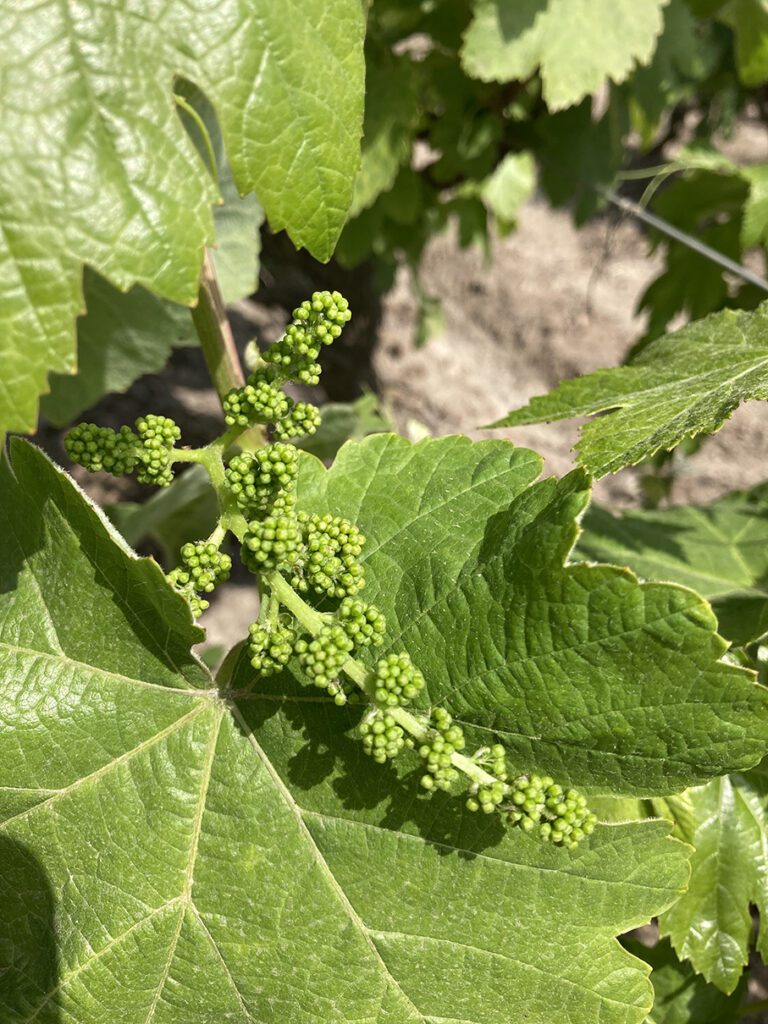
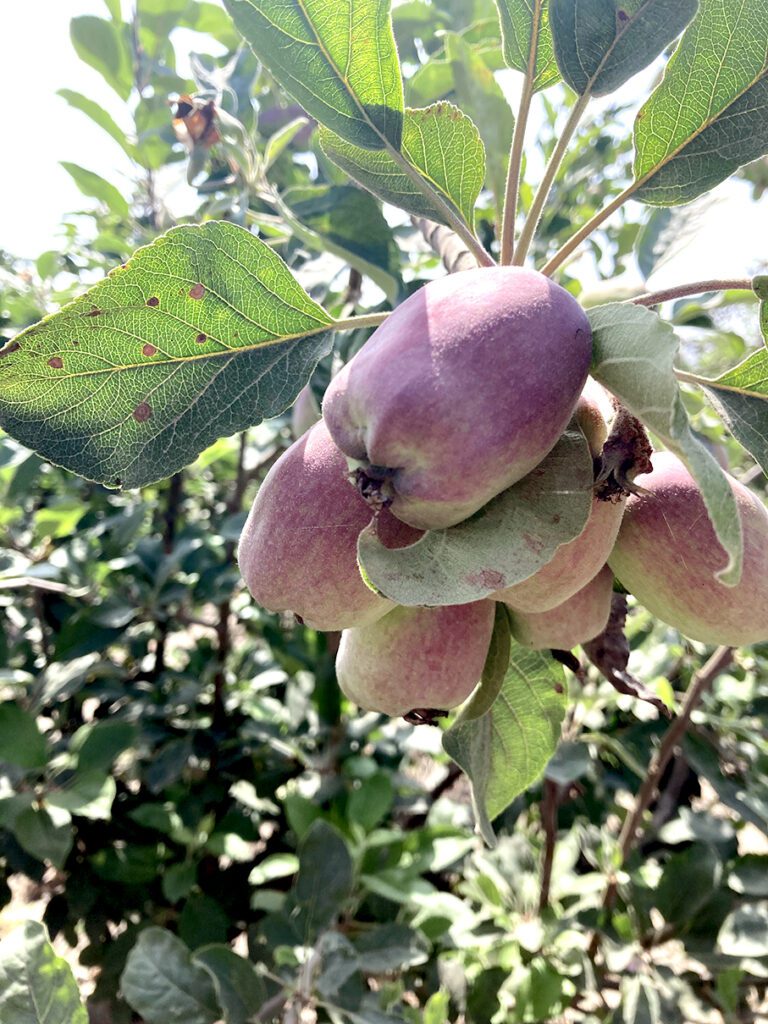
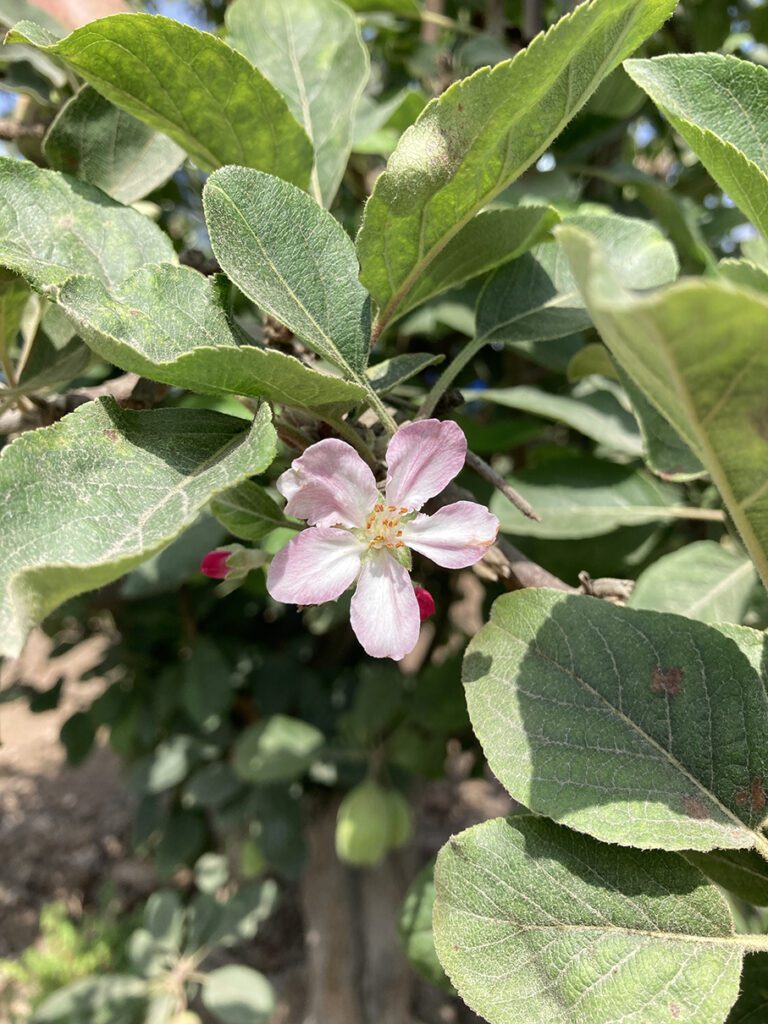
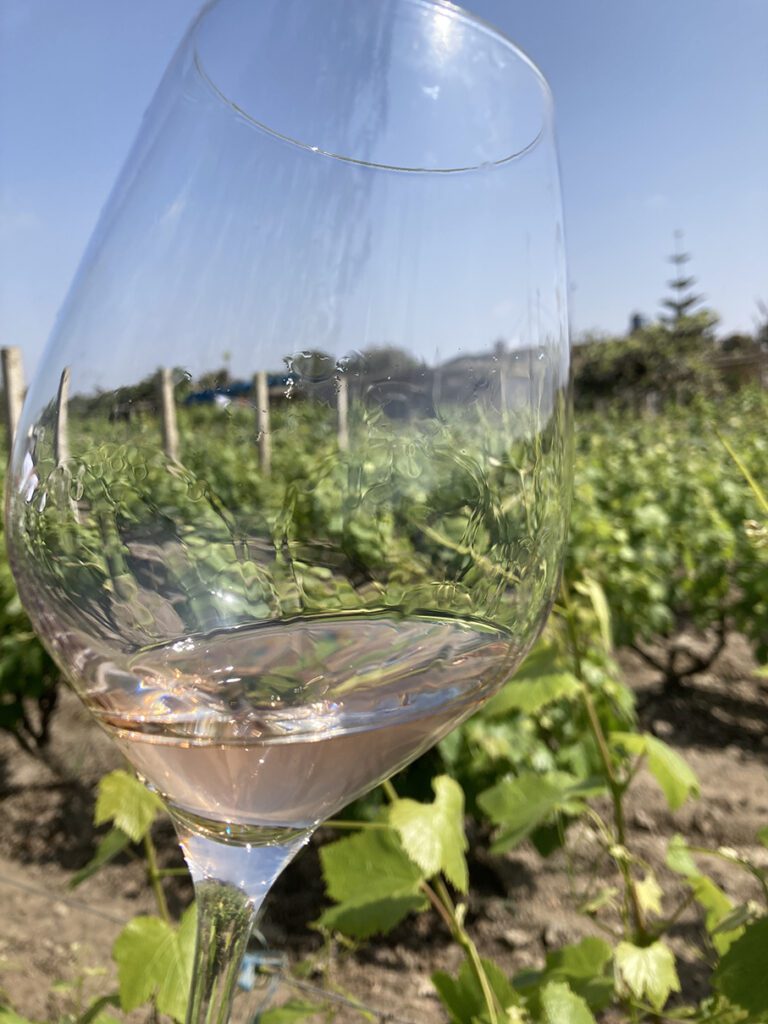
Grab a glass of Quebranta rosé while you walk between the fields, and find baby and apple blossoms or some ripe fruits on the tree, depending on the season. A blind tasting of their wine and a feast made by the family will round up the experience. Please don’t leave without trying their fortified wine, a cabernet sauvignon fortified with Pisco and aged on oak barrels.
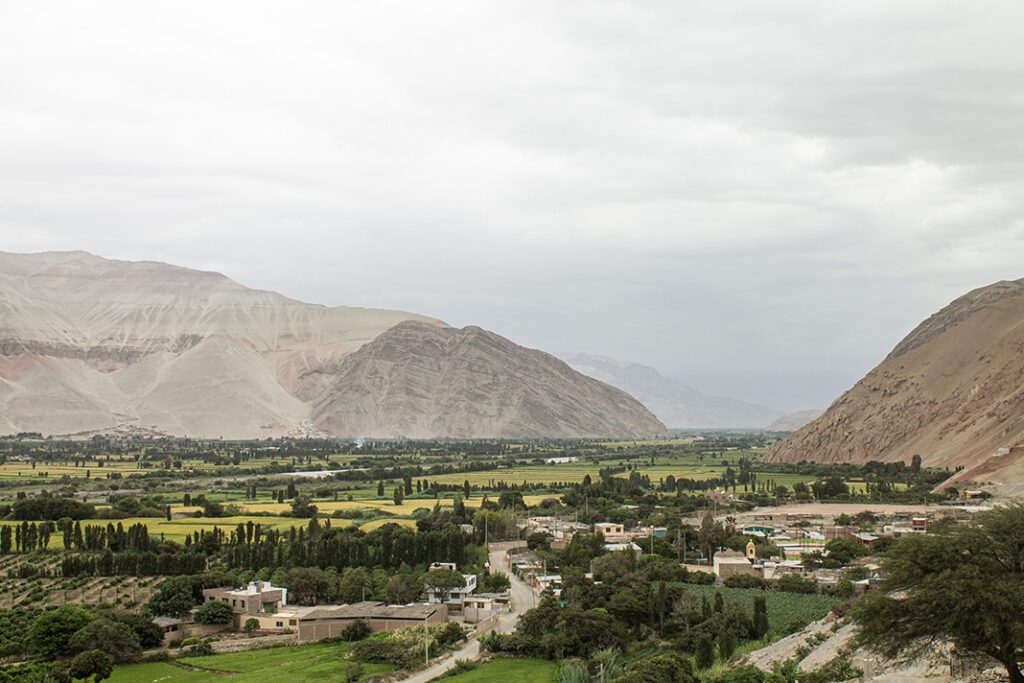
We also did the “Ruta de las Tinajas” (The Clay Vessel path), probably the most ambitious of their routes. We took a six-day trip to Arequipa, where we found 18th-century structures with clay vessels; some are still used to ferment and age wine. From there, we went to different valleys each day. We met several producers down the coastline to visit a producer almost oceanfront where the minerality expresses their final product.
The path to Moquegua was outstanding, a city with a well-organized wine system. Their wineries have the first licenses for Pisco, and the production is thriving.
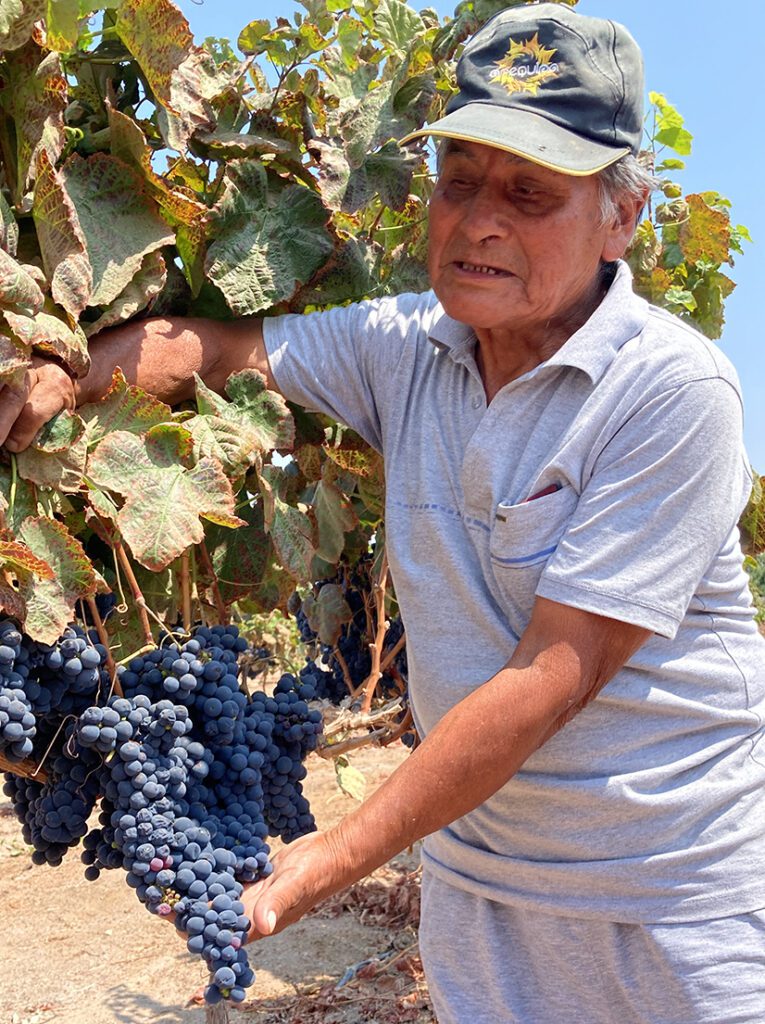
Down south to the Heroic city of Tacna, we found the widest varieties of grapes; this is a land for experimentation: Merlot, Syrah, Petit Verdot, Tempranillo, Garnacha, and Chardonnay; they are trying every grape and producing small batches of outstanding wines. Pour last visit was down south, close to the Arica dessert next to Chile, where Bodega Terra Sur has the southern winery of the country; here, the grapes grow without pesticides, and their winemaker is a great blender.
IN THE KNOW: If you want to visit the Peruvian wine lands, Peru Vino, the lead promoter of high-quality small-production winemakers, organizes every year the Peruvian wine route, five different trips to visit and enjoy the winemaking regions. You can go in a group or reserve a private tour with us.
- Cañete: a one-day trip to visit Viña de los Campos a family own farm that produces pisco and the Raíces Negras wine.
- Lunahuaná: A one-day trip visiting two different wineries in Lunahuaná and tasting different versions of wines made with some of the same grapes
- The Clay Vessel path, probably the most ambitious of their courses, is a six-day trip through Arequipa, Moquegua, and Tacna by bus, where you can visit over 15 producers, from those with significant industrial installations to those still using clay vessels from the 18th century.
- The Ica Route, finishing the harvest season, is a 2-day trip through the dessert of Ica, visiting four different producers from Chincha and Ica.
- Lima Norte: this is a new experience. Here, you can visit the Huacho and Huaral wine makers.

