

On a regular day, we visited La Mar, the renowned cevichería in the street with the same name that opened in 2005; since then, it has transformed how a ceviche should be made and the Peruvian gastronomic industry itself.
We went for a “quick lunch,” which turned into a four-hour exploration of the Peruvian coastline. It was a totally worthwhile experience, and it was only the surface.
With a menu boasting ten distinct ceviches, the choice can be overwhelming. However, we were in expert hands. We turned to Chef Anthony Vasquez, who guided us through this journey.
Something fresh
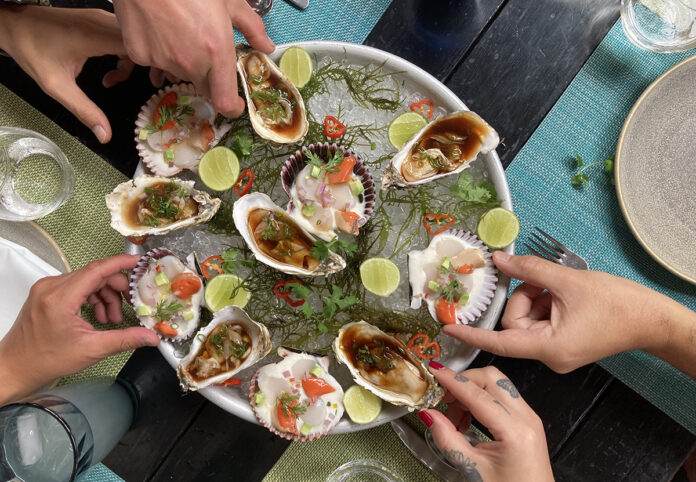
A plate with oysters and callops came to the table and laid on a bed of ice to keep them fresh. It was followed by a Muchame, a simple preparation that the uncommon eye can oversee; it’s cured fortune jack on a saltine cracker with avocado and tomato, simple yet so delicious.
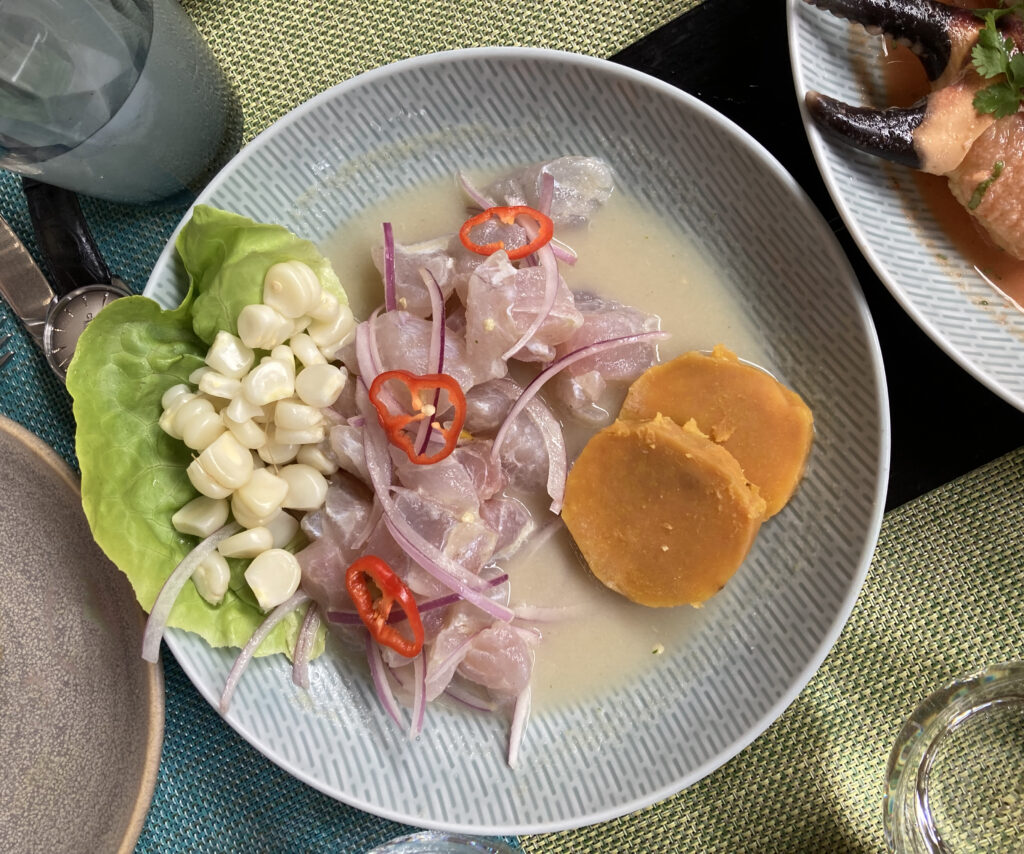
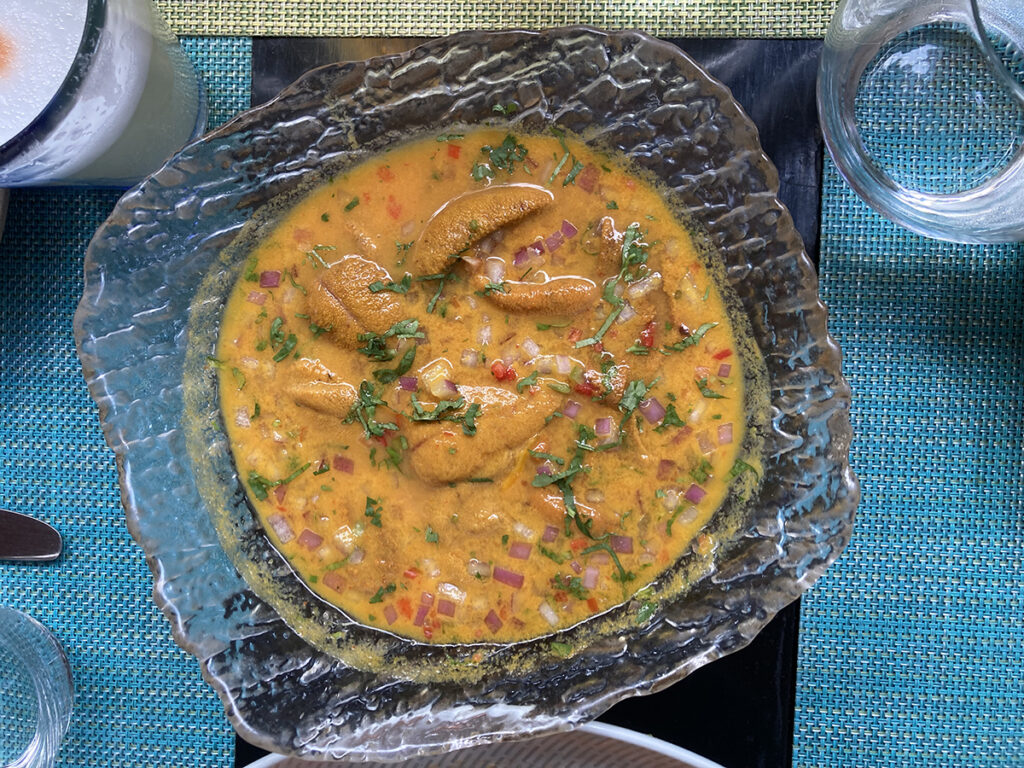
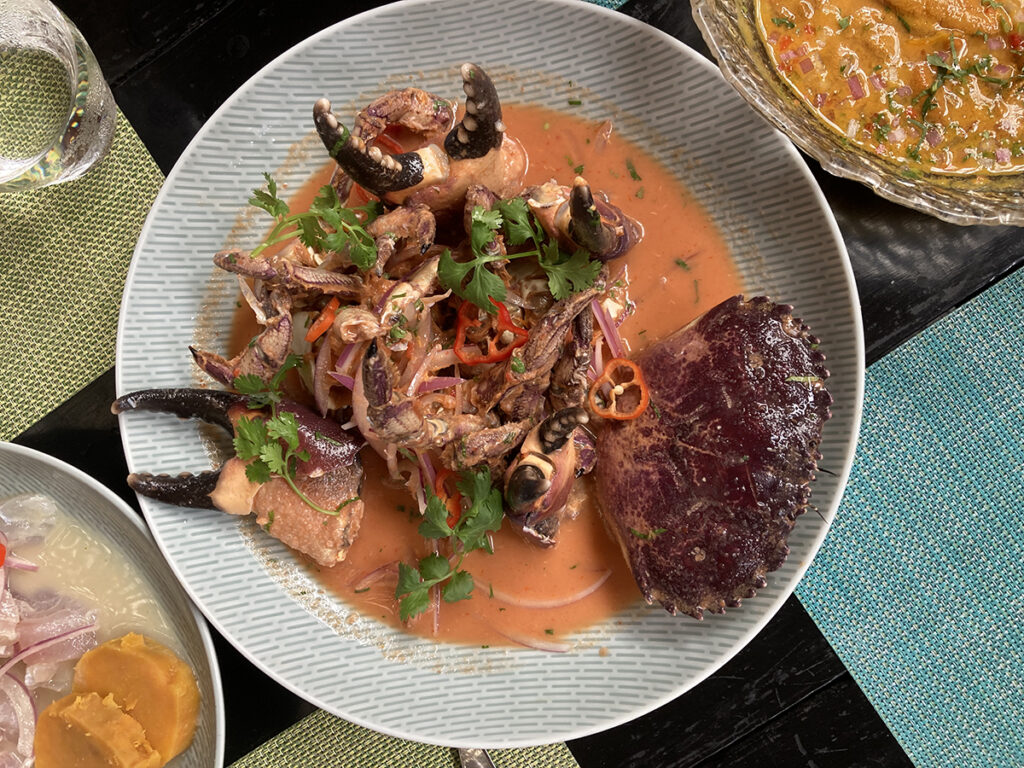
Finally, the ceviche came on three different plates: the Afrodisiac sea urchin ceviche with leche de tigre de ají Amarillo each bite tasted like the ocean with the sweet kick from the ají amarillo, the Classic ceviche with white corn and sweet potato, with a great bite of fresh fish and the balance of the sweet potato and a special crab one with rocoto leche de tigre and popeye crab to eat until the end.
New Process
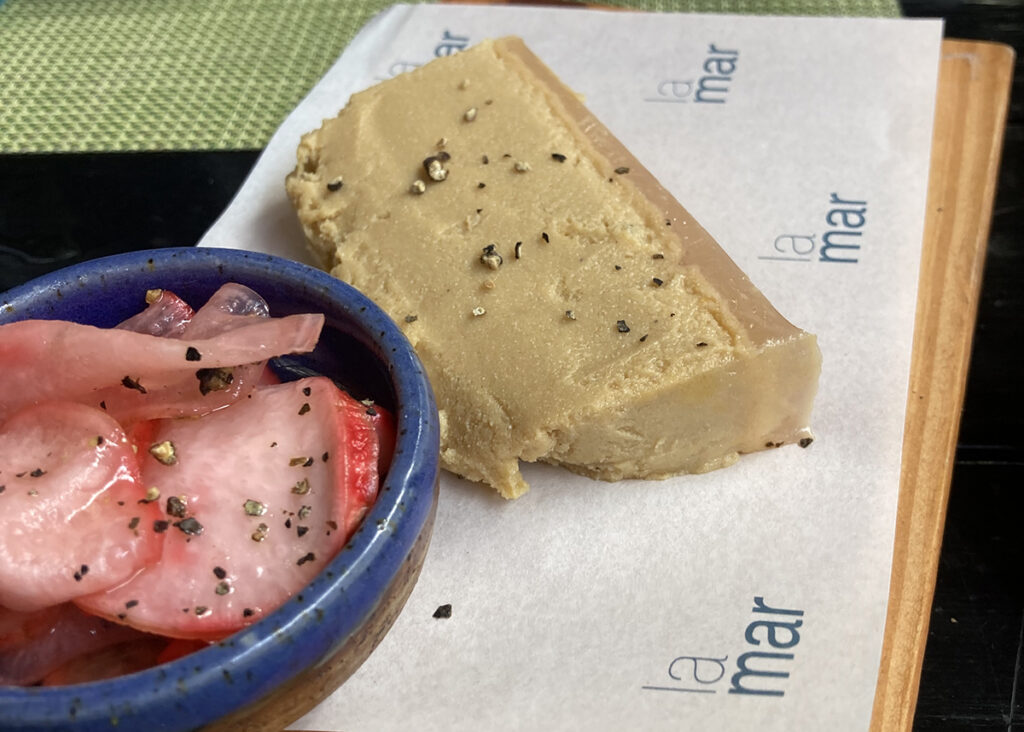
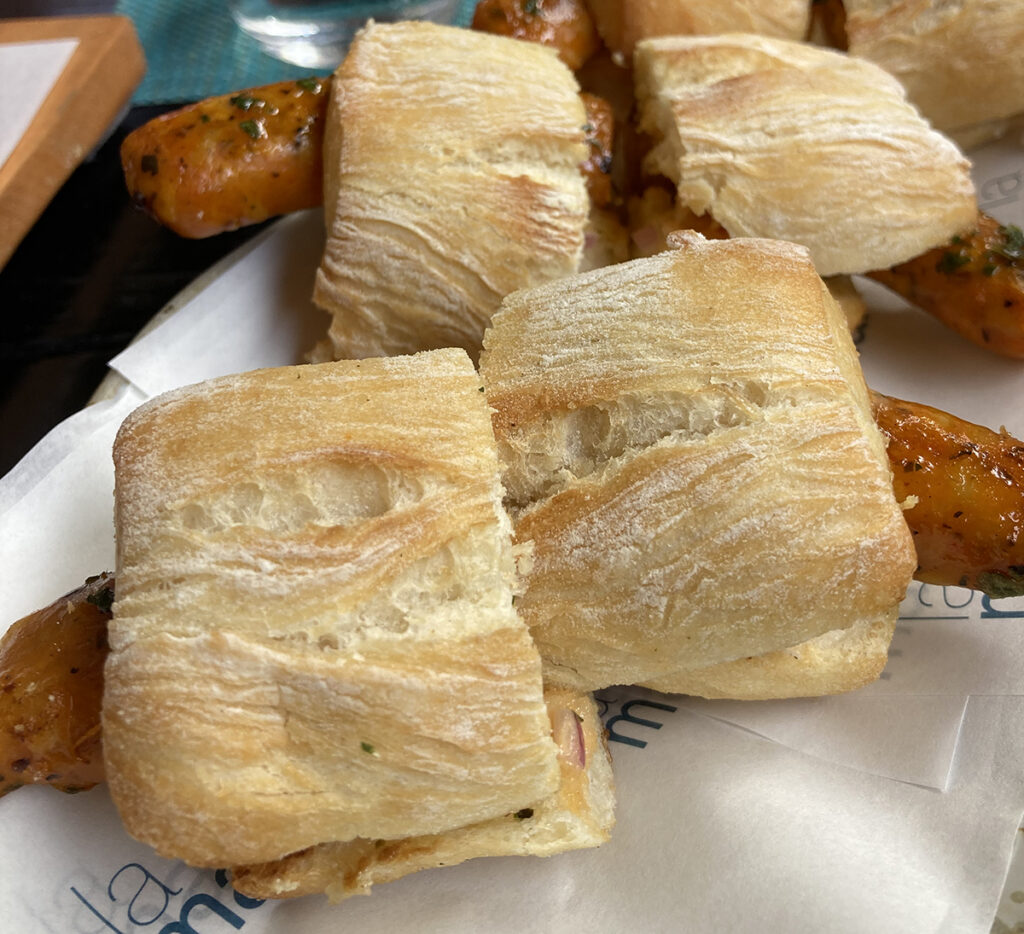
That was not it; minutes later, the team came with Choripán del mar, fish-made chorizo with chimichurri, rocoto mayo on a piece of ciabatta bread, and a piece of fish paté to spread. In both cases, all the processing of the fish is done in-house.
Some Like It Hot
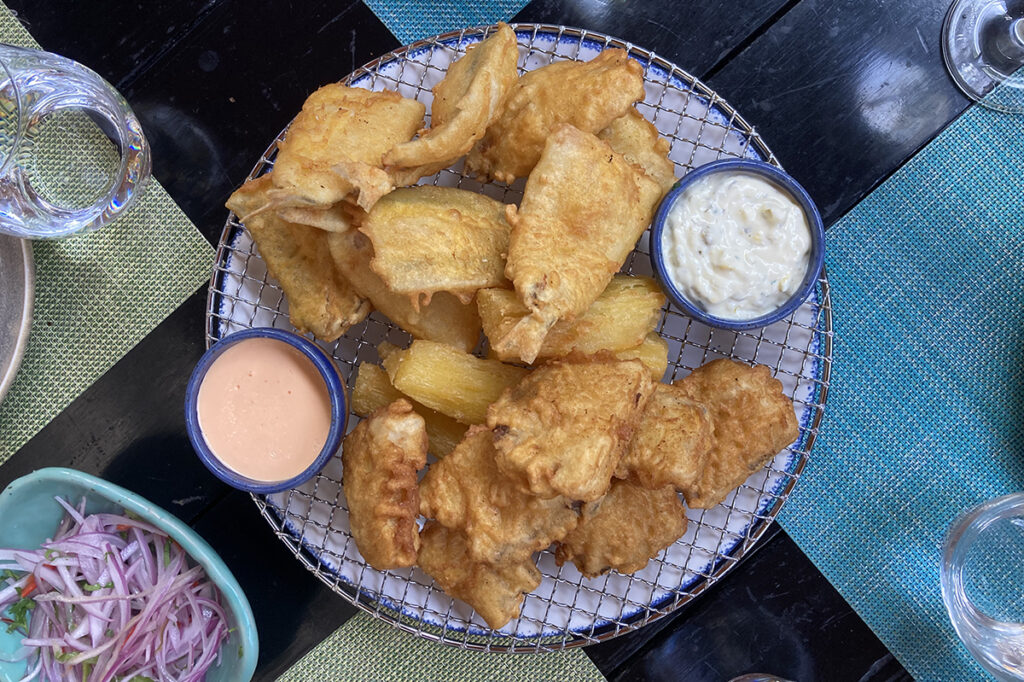
The deep-fried platter included different sea products cooked to perfection: silverfish, shrimp, seabass, squid, and egg cups. There was a bit for everyone to pick from.
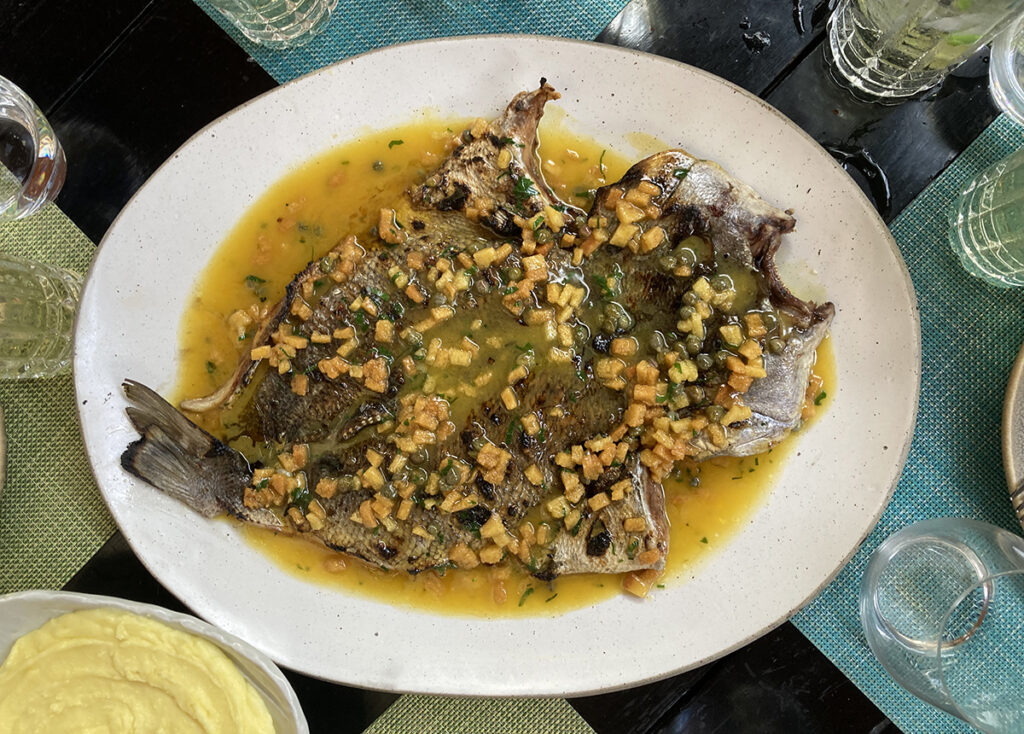
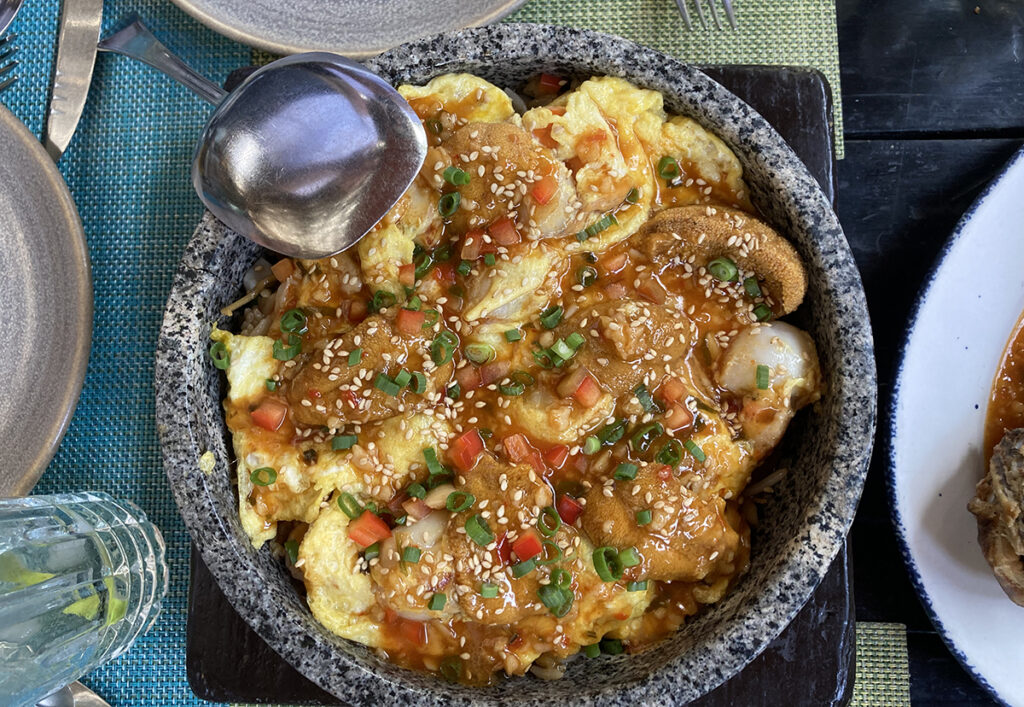
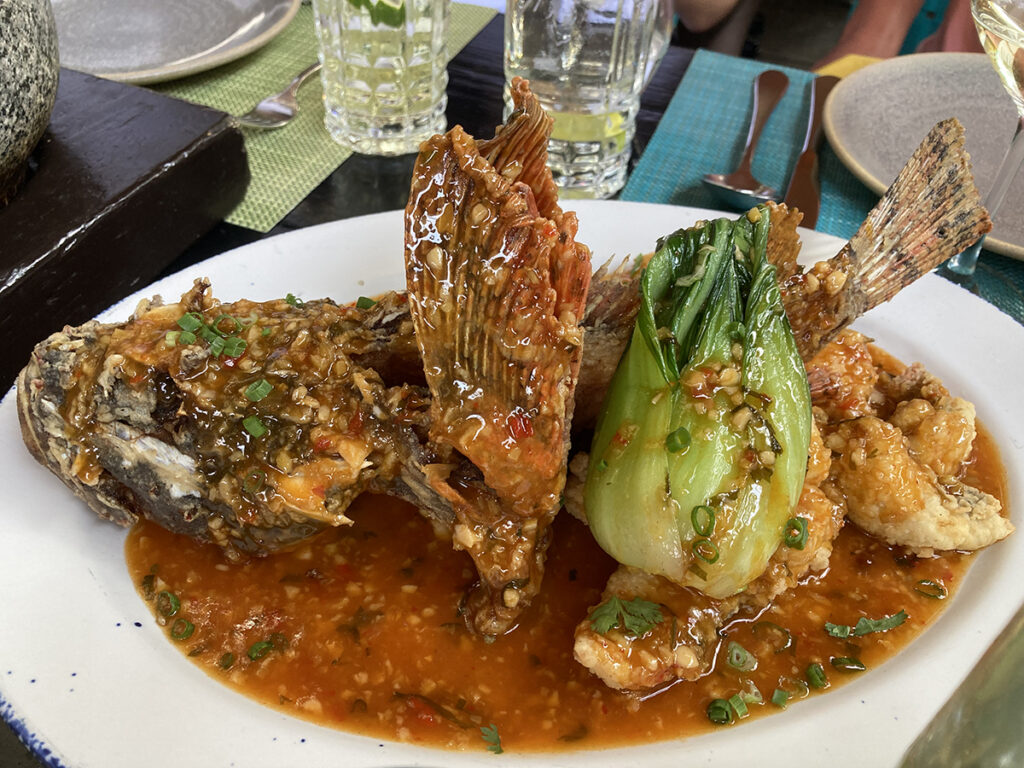
This was followed by a whole fish a la meunière, served with hot melted butter, lemon juice, parsley with its respective potato puree, and a nikkei-style Devil fish (suckermouth catfish). To finish the savory part of the experience, chaufa rice with uni, char siu, quinoa, vegetables, and an egg.
Liquid experience
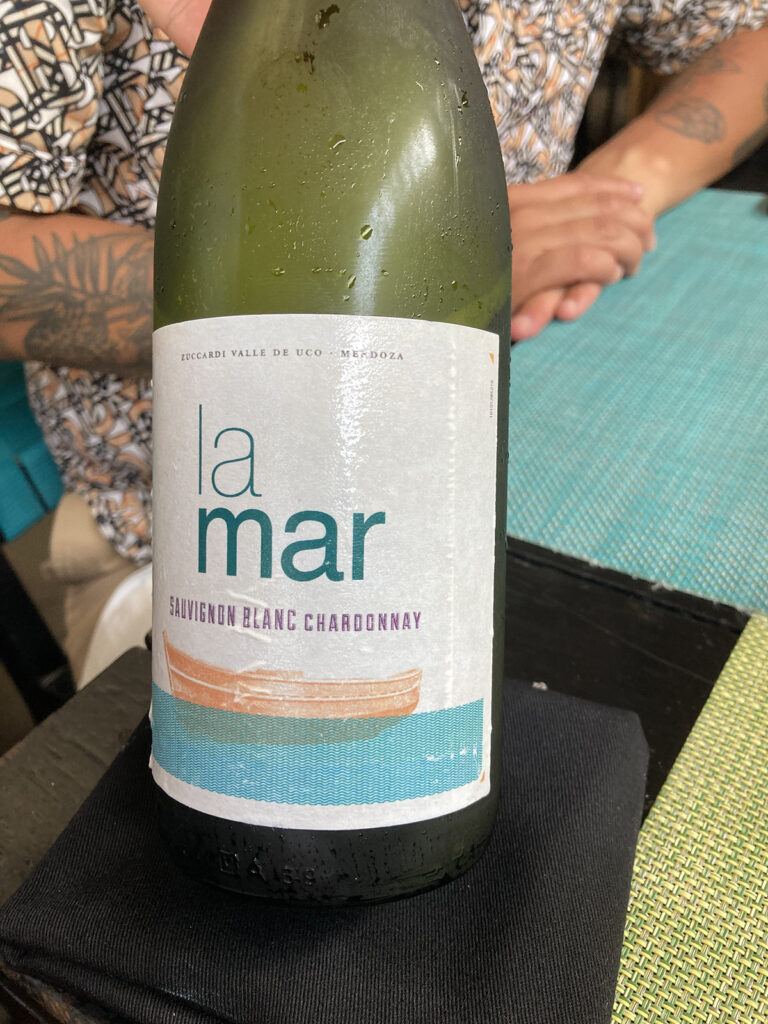
To pair the experience, we tried their house wine, a collaboration developed with Bodega Zuccardi La Mar, a fresh bend of Sauvignon Blanc from San José and Chardonnay from Gualtallary. We also tried some staple cocktails, chilcanos, and pisco sours.
The perfect ending
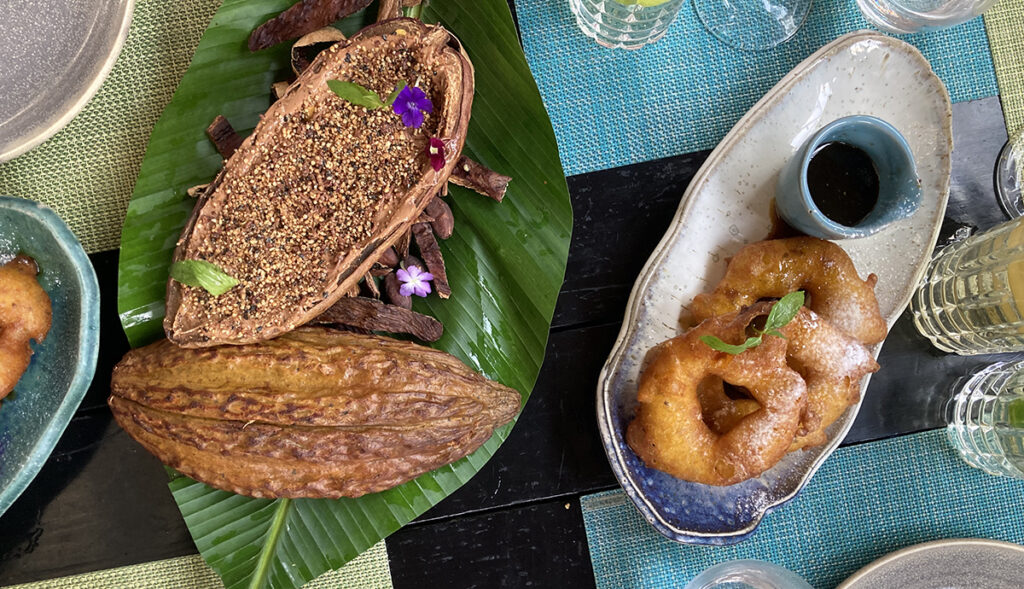
As for desserts, Picarones is a must, fried doughnuts of squash served with spiced syrup. The Chocolate and Lúcuma Mousse is creamy and plays on textures using cocoa nibs and caramelized quinoa on a base of lucuma ice cream. When they told us that the ice cream is now made in-house, we asked for some fruit base: Ciruela (Spondias purpura) and another soursop. Both were so fresh and with the right balance of sweetness that it were a perfect ending to our meal.
“He always thought of the sea as ‘la mar’, which is what people call her in Spanish when they love her. Sometimes those who love her say bad things of her but they are always said as though she were a woman.” Hernest Hemmingway (The old man and the sea).
In 19 years, La Mar has kept its quality, the one that changed a whole landscape on a street that was populated by autoshops and now is turned into a gastronomic hub. La Mar has kept its essence from a single restaurant to locations in eight different cities worldwide, including one in Miami and the San Francisco Pier, from a common-folk plate to an elevated-style table.
According to a study from the Inter-American Development Bank, Gaston Acurio’s influence in Latin American Cuisine renewed the Peruvian gastronomy. It opened the gate to generations of innovator chefs like Virgilio Martinez and Micha Tsumura.

