
Peru’s dining scene offers plenty of reasons to plan a trip around the table. The latest edition of Los Fuegos, Fine Dining Table’s recognition program, highlights 70 restaurants that help tell the story of Peru’s ever-evolving food culture.
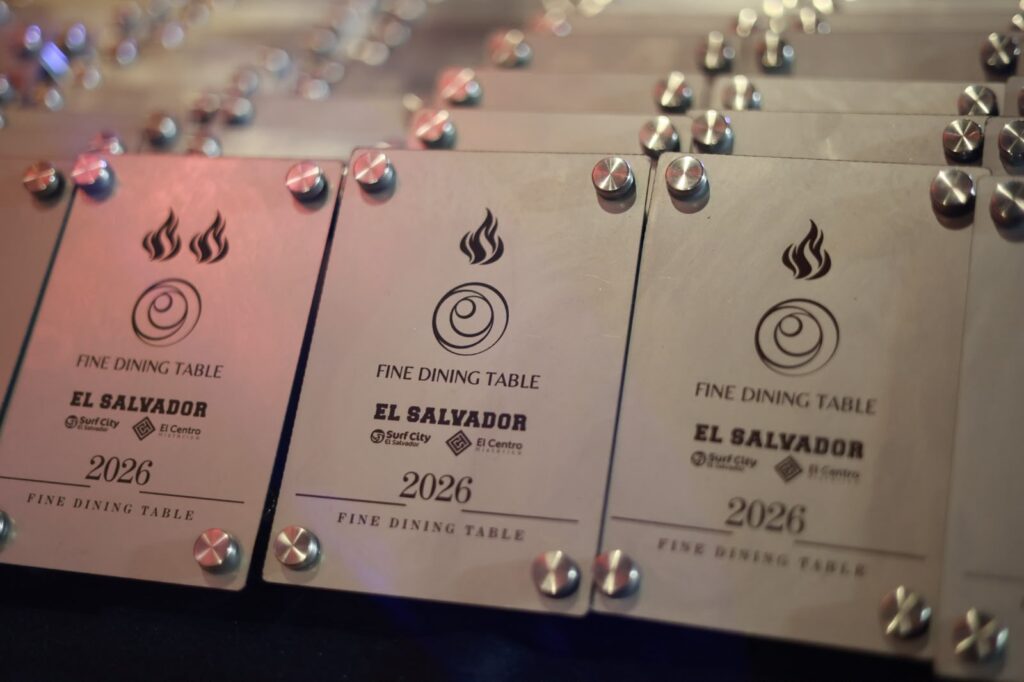
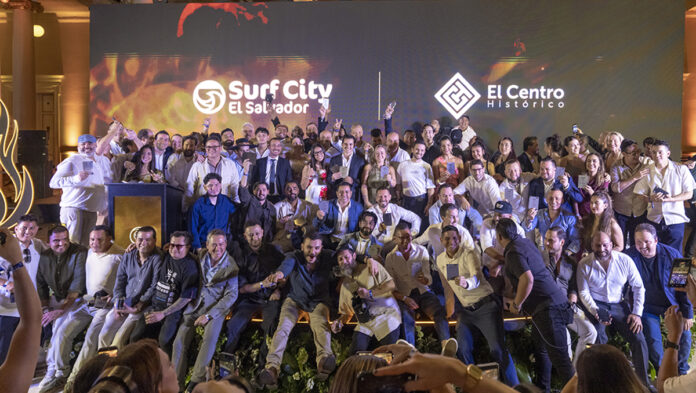
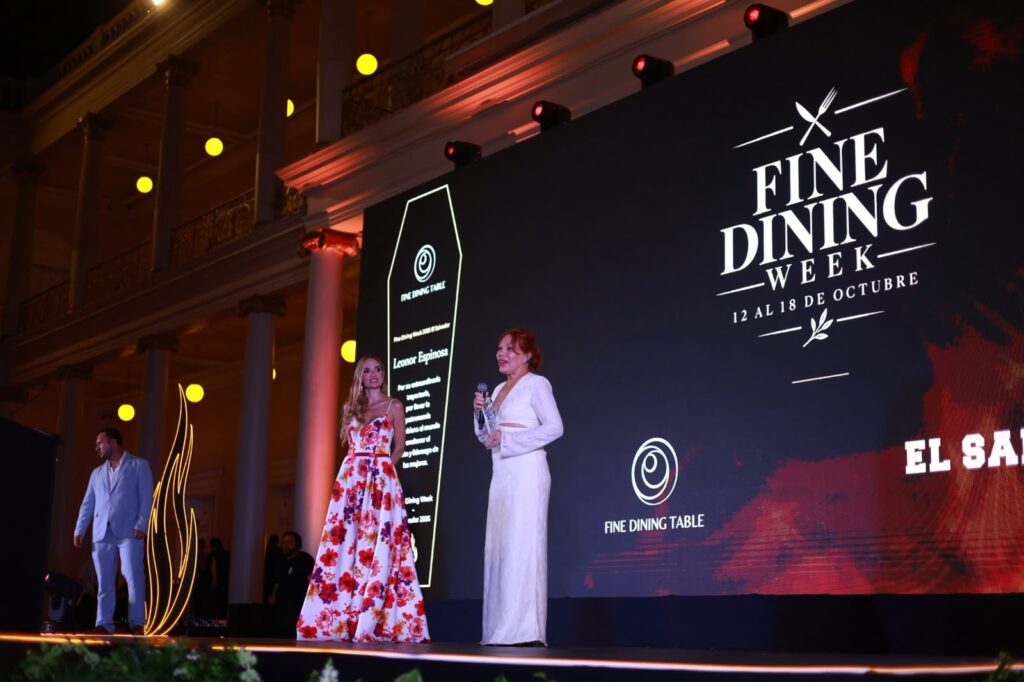
At the International Gala at El Salvador’s National Palace on October 17, Los Fuegos 2026 recognized 508 restaurants and wellness hotels from 16 countries. For Peru, the results stand out: 13 restaurants received Tres Fuegos, the program’s highest honor, while 18 earned Dos Fuegos, 16 were awarded Un Fuego, and 23 more were recommended for their contributions.
Thirteen Peruvian Restaurants at the Top
Astrid y Gastón, Central, Cosme, Don Eduardo, Kjolle, La Mar, Maido, Mayta, Mérito, Osaka, Piedra, Rafael y Verbena recibieron Tres Fuegos.
This selection brings together both internationally recognized destinations and restaurants that add to the rich variety of Peru’s contemporary food scene. For travelers mapping out a culinary journey, it offers new perspectives—whether you are seeking a tasting menu, a seafood lunch by the coast, or an evening discovering a chef’s personal take on Peruvian ingredients.
According to Fine Dining Table, its international committee and anonymous evaluators consider more than the food. They also assess hospitality, service, design, identity, atmosphere, consistency, and the emotional impression of the experience.
More Tables to Discover
The Dos Fuegos category includes Awa, Contraste, Costanera 700, Efímero, Fiesta, La Perlita, Mauka, Mercado, Mil, Osso, Ototo, Pimentel, Quipas, Sapiens, ShiZen, Siete, Testeo, and Tomo Nikkei.
A further 16 establishments received Un Fuego: Almacén, Amankaya, Clon, Cumpa, Huaca Pucllana, Isolina, La Pescadería, La Picanteria, Lady Bee, Map Café, Maras, Picnic, Salo Omakase, Satiro, Troppo, and Zerrano.
Together, these categories reflect the diversity that makes eating in Peru such a rewarding experience. In a single trip, you might move from the comfort of familiar flavors and regional traditions to Nikkei cuisine and inventive new interpretations—each meal adding a new chapter to Peru’s unfolding culinary story.
The recommended selection adds another 23 names: 500º, Barrio, Buche, Canta Rana, Casa Tambo, Demo, Dhaasu, Gaijin, Gerónimo, Hayaq, KO, La 73, La Bodega de la Trattoria, La Capitana, La Gloria, La Nueva Palomino, Mistura, Nanka, Ncanto, Panchita, Pasta, Pescados Capitales, and Toshi.
Selections like this can offer a reason to revisit a favorite table or discover somewhere new. They also give restaurants valuable visibility beyond their home countries, bringing the region’s diverse dining scenes to a wider audience.
That reach, however, comes with a responsibility to keep the selection current. When a restaurant that has already closed appears among the recipients, it raises questions about the rigor of the evaluation and weakens the awards’ credibility as a guide for travelers. The value of a distinction depends as much on the care behind the selection as on the visibility it brings.
A Regional Gathering in El Salvador
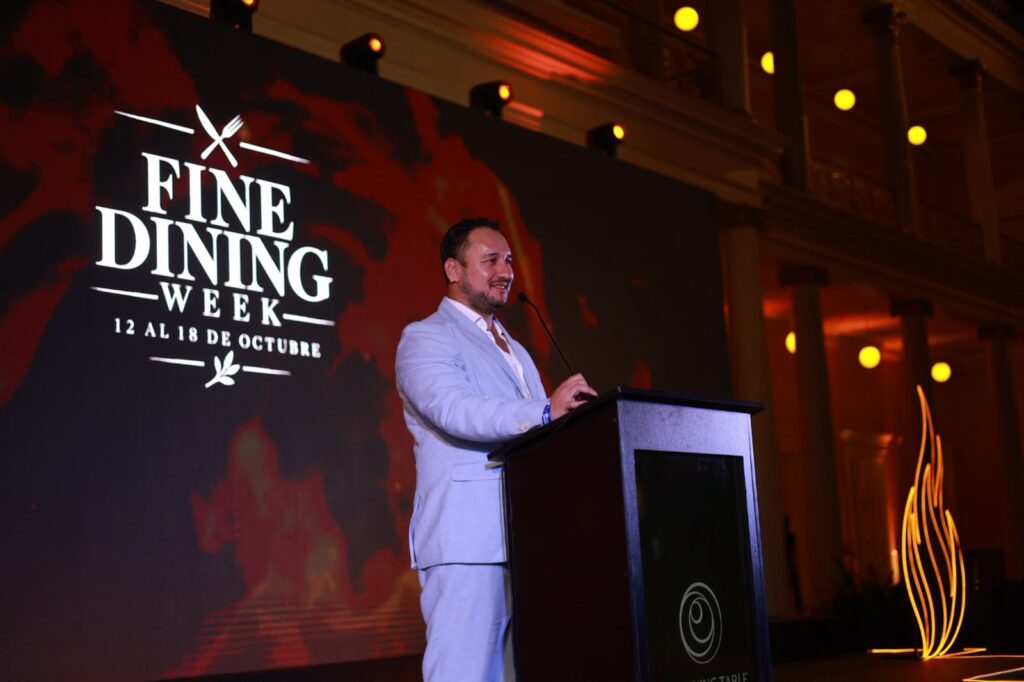
The awards followed the first Fine Dining Week El Salvador, held from October 12 to 16. According to the organizers, the program brought together more than 100 chefs for 27 collaborative lunches and dinners, with visiting teams joining Salvadoran kitchens for one-time menus.
Peru was among the participating countries, alongside Argentina, Chile, Colombia, Panama, Spain, the United States, Mexico, Venezuela, Costa Rica, the Dominican Republic, and Guatemala.
The host country received 43 restaurant recognitions, with El Xolo and Monarca earning Tres Fuegos. The gala also presented career honors to Leonor Espinosa, Juan Manuel Barrientos, Rudi Scholdis, Emiliano Yulita, and Chef Tita.
For Peru, these results offer another glimpse into a dining landscape that rewards curiosity. The most memorable journeys might begin with a sought-after reservation, but often unfold through a spontaneous neighborhood lunch, a regional specialty, or a restaurant discovered by chance.

