
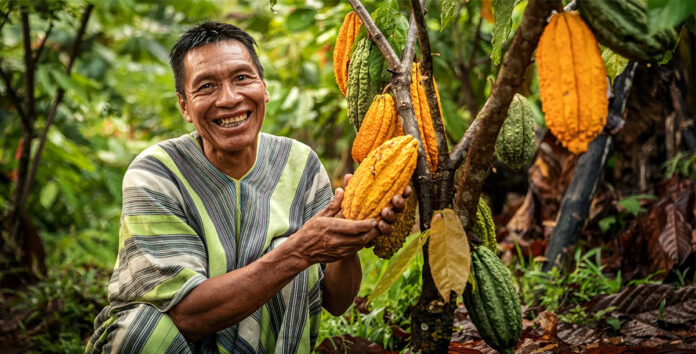
Peruvian cacao had plenty to say at the 2026 International Chocolate Awards World Final. It appeared in origin bars made close to the farms where it grows, in inventive combinations with local ingredients, and in chocolates crafted overseas. One of the ceremony’s closing honors went to Río Tambo, whose honey-sweetened dark chocolate won the overall title in the plain/origin dark bar group.
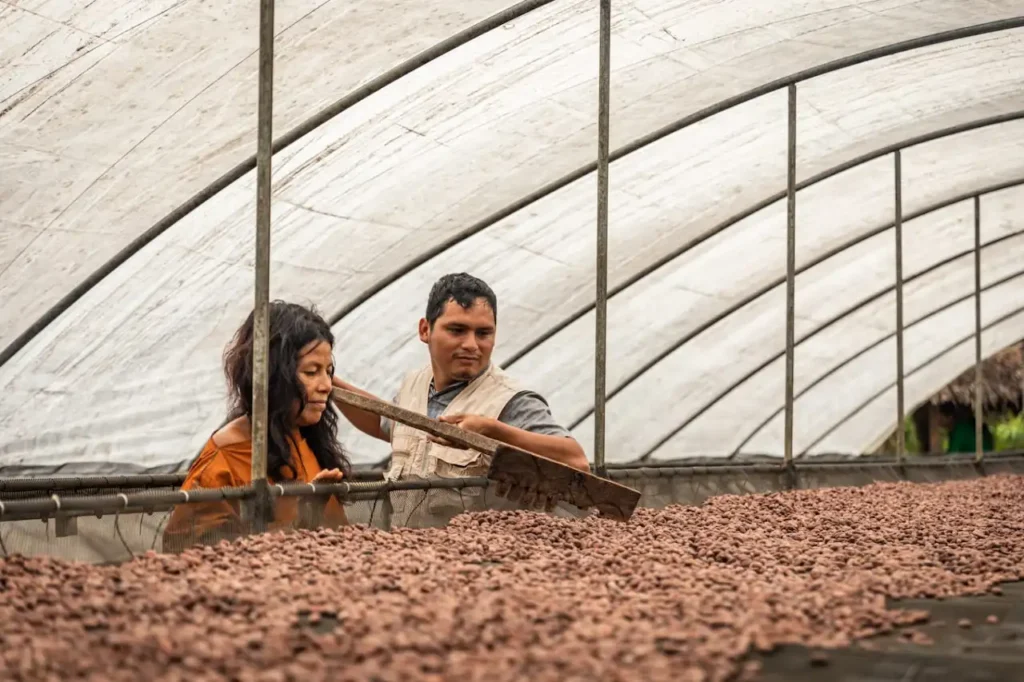
The distinction followed Río Tambo’s gold in the category for origin bars made with alternative sweeteners. During the presentation, the judges highlighted the combination of chuncho cacao and honey, describing how the honey enhanced the cacao’s flavor. For a small maker to reach the international final through the Peruvian competition was a remarkable result.
The online ceremony on November 7 gathered chocolates that had already impressed judges in national and regional rounds. For the World Final, more than 50 judges tasted and debated their way through what organizers called their largest field of entries yet, though the exact number remained a mystery on the night.
Five golds for Peruvian makers
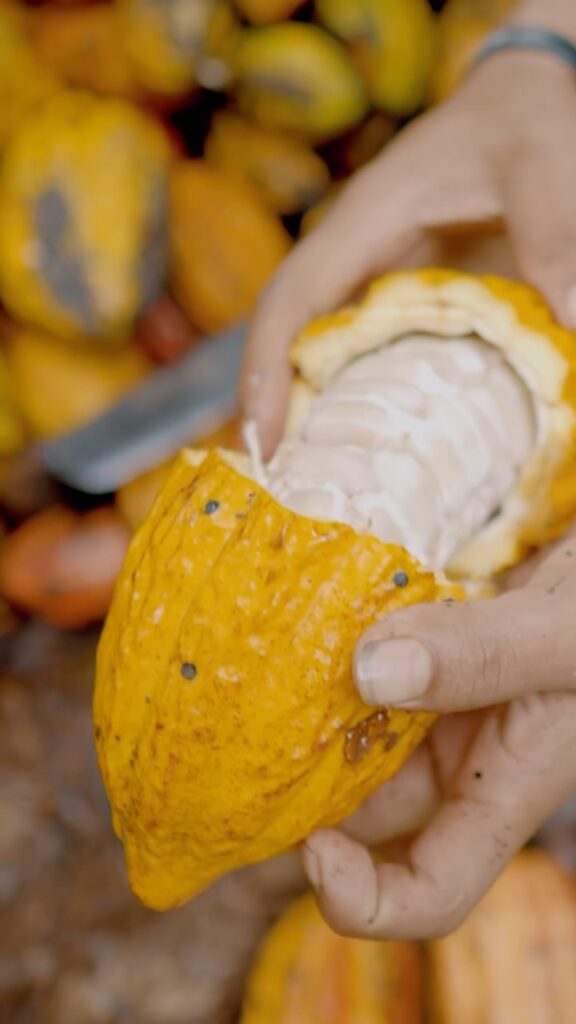
Peru’s 35 medals included five golds, 20 silvers and 10 bronzes, spread across 16 brands. Río Tambo’s overall title and other special distinctions added to the country’s tally, underscoring the depth of talent among Peruvian makers.
Alongside Río Tambo, four other Peruvian makers earned golds in their categories. Semillas de Amor was recognized for its cocoa butter, highlighting an ingredient that rarely gets center stage. Chocolatería Pumatiy took gold for its Majambo 62% – Megantoni, celebrating the diversity of the Theobroma family beyond cacao itself.
Magia Piura’s gold-winning 49% milk chocolate, filled with algarrobina and maca ganache, brought beloved Peruvian flavors into the spotlight. Qinti Cacao’s 100% Ceremonial Dark Cacao also earned gold, sharing the top honor with Venezuela’s Delirio Chocolate and showing how tradition can be recognized without additives.
A broader picture of Peruvian chocolate
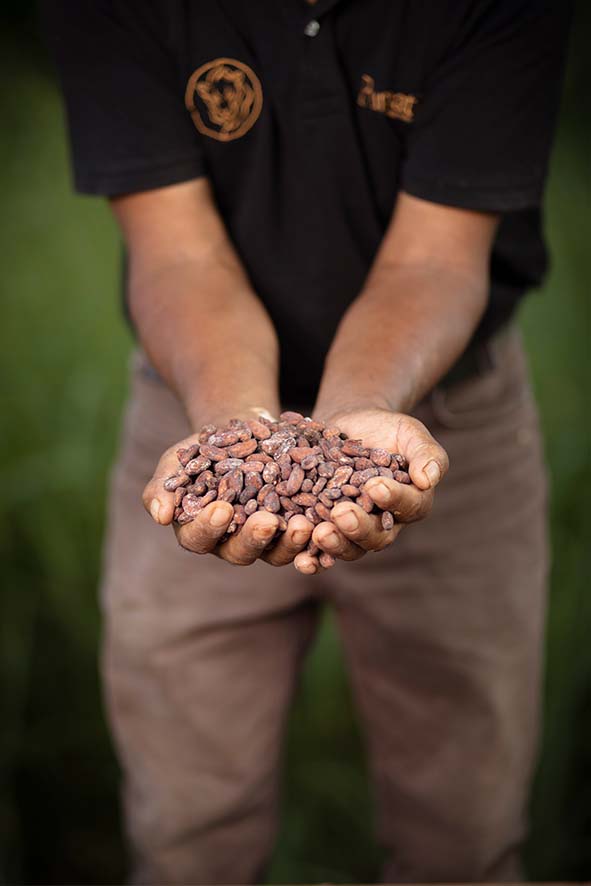
The Puma Family with their Pumatiy brand stood out, with nine medals spanning everything from macambo and chuncho white chocolate to fruit and Andean corn coated in chocolate, as well as dark origin bars. These results offer a window into the diversity of Peru’s cacao landscape, shaped by the choices and creativity of its makers.
Other Peruvian medalists—Burgos Chocolates, Atahualpa, Elemento Chocolates, Dos Aguas, ChocoMuseo, Scrap & Chocolates, Maraná, Yanary, Wilces, Joel Cuentas Cacao y Chocolate and Cacaosuyo—crafted everything from pure origin bars to chocolates infused with lemongrass, Amazonian salt and coffee. Each creation tells a story from a different corner of Peru’s culinary map.
Peruvian cacao’s journey didn’t stop winning in South America, but Norwegian maker Vigdis Rosenkilde won gold for her 70% Piura bar with cacao nibs, while other international entries featured chuncho and other Peruvian origins. French maker Chocolaterie Morin’s silver-winning cocoa butter used cacao from Chanchamayo. While the medals are awarded abroad, each one shows the promise of Peruvian cacao in the wider world.
Latin America’s makers at the forefront
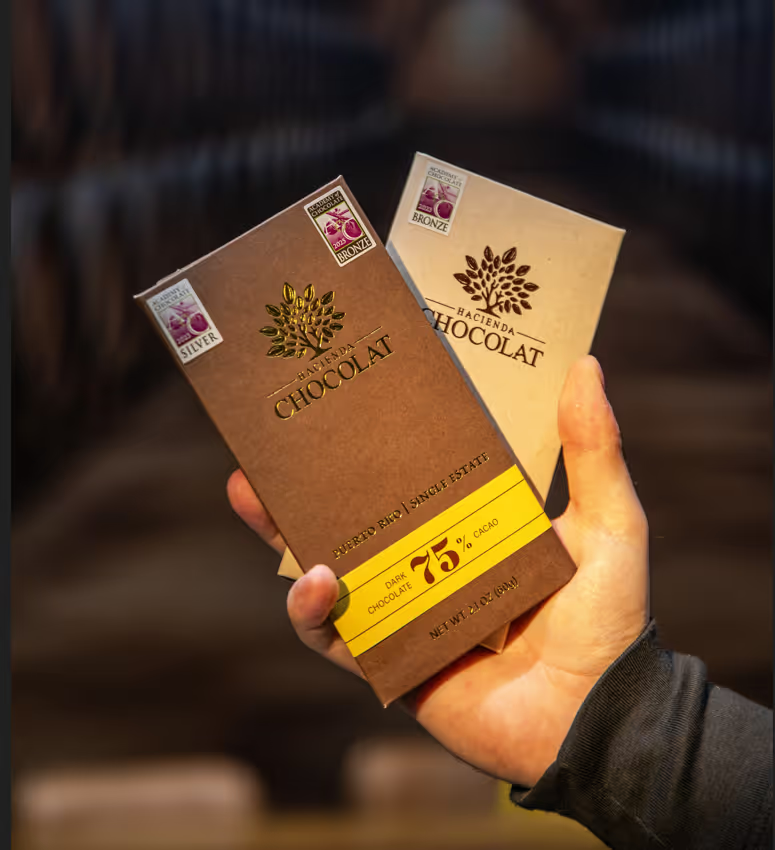
The results from this ceremony highlight the strength of chocolate made in cacao-producing countries. Hacienda Chocolat in Puerto Rico took gold for its 75% Single Estate dark chocolate in the microbatch category. Chocopunto by Mabel, from the Dominican Republic, earned gold for its 40% white chocolate and 70% Zorzal dark bar. Ecuador’s Chocolates Bios won gold for a 70% bar sweetened with mango sugar, and Paccari was recognized for its Raw 90%.
For Peru, the story is bigger. Ingredients such as Chuncho cacao, macambo, honey, and algarrobina, and products such as cocoa butter and finished chocolate (both bars, filled chocolate, and truffles) found their place among the winners; they reflect the creativity and dedication of makers who are transforming local cacao and ingredients into chocolates with a sense of identity and place.
You can watch the full ceremony here:

