
The legendary Qhapaq Ñan Inca road system stretched across much of South America. Here are two great sites along the trail that you can visit from Lima.
1. Xauxa-Pachacamac: The route of the Gods
Between the regions of Junin and Lima lies one of the most amazing stretches of the Qhapaq Ñan
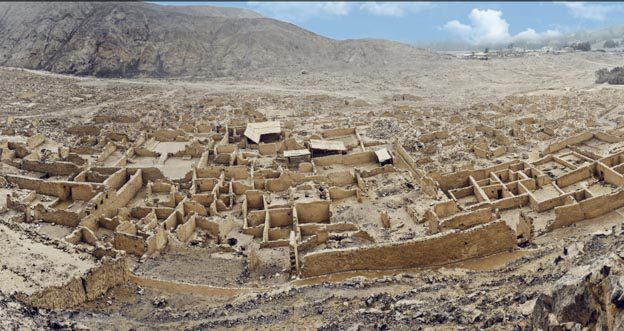
This section of the road was vital for the Inca. Its relevance was not only logistical but also religious. The road connected two important places of the Chinchaysuyo: the Hatun-Xauxa administrative center in the central highlands and Pachacamac, which was the most important administrative and ceremonial complex on the central coast.
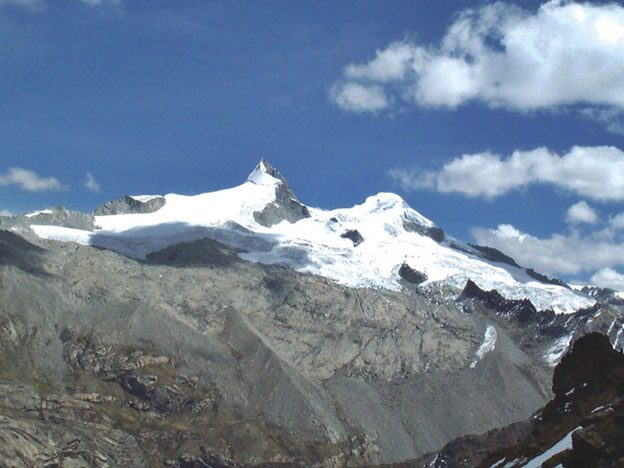
The road was considered a pilgrimage route to Apu Pariacaca, a snow-capped peak in the Yauyos region, considered one of the most important deities of the Tahuantinsuyo. The wayfarers who traveled from the highlands to the coast descended from 4,800 to 50 meters, surrounded by beautiful natural landscapes and fabulous architectural constructions such as
In 2014, this stretch was included on the UNESCO World Heritage List, due to its importance within the organization and distribution of the Inca road system.
2. Mateo Salado, a jewel in the city
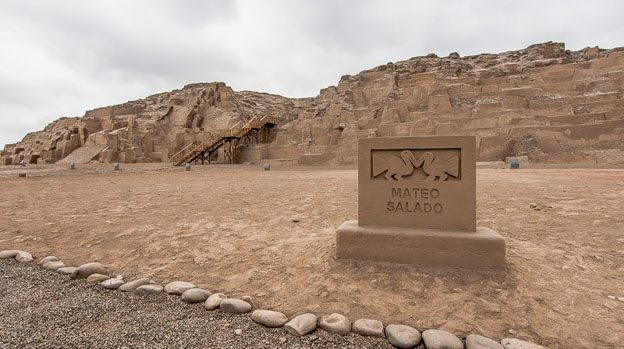
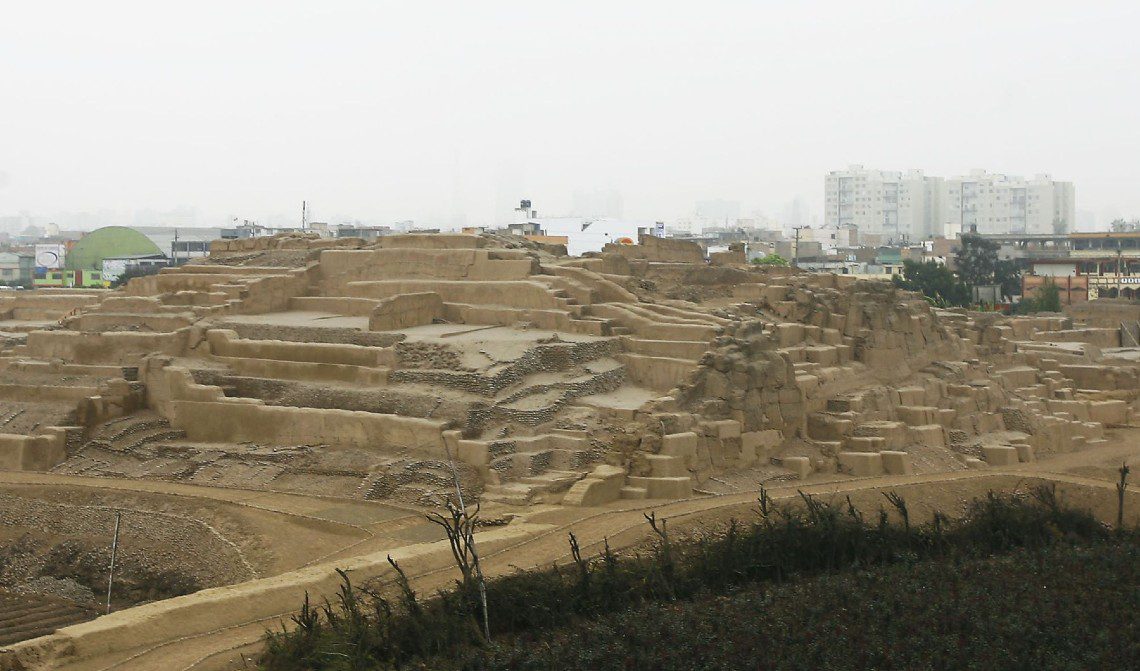
The Mateo Salado archaeological complex is located in the heart of Lima, between Breña and Pueblo Libre districts. Its construction is made of tapia (rammed earth). The ruins exist beside several high-rise buildings, creating a landscape where history coexists with modernity.
Mateo Salado was an administrative-ceremonial center that belonged to the Ychsma Lordship which, the same as Huaycan de Cieneguilla, was reoccupied when the Incas annexed it to the empire. The complex has five walled pyramids. The Longitudinal Coastal Highway of the Qhapaq Ñan came from the north, just beside pyramid A, which was used as the main temple of the complex.
Protecting Qhapaq Ñan from threats of modern development
The 18 meter-high pyramids of Mateo Saladowere also used as houses for the Ychsma and Inca elites. With the arrival of the Spanish to Lima, the place was plundered and began to deteriorate. Its area was reduced with the emergence of farmlands, companies, and squatters. This process of neglect ended in 2000 when researchers started to recover Mateo Salado and it was listed as a National Cultural Heritage Site in the following year.
In 2007, the Ministry of Culture started to work on its enhancement, and in 2016 the National Office of the Qhapaq Ñan implemented a new comprehensive project focused on the area. This project is concerned with working on the
This article was originally published by Ultimate Journeys Peru
Cover photo: Andina


