
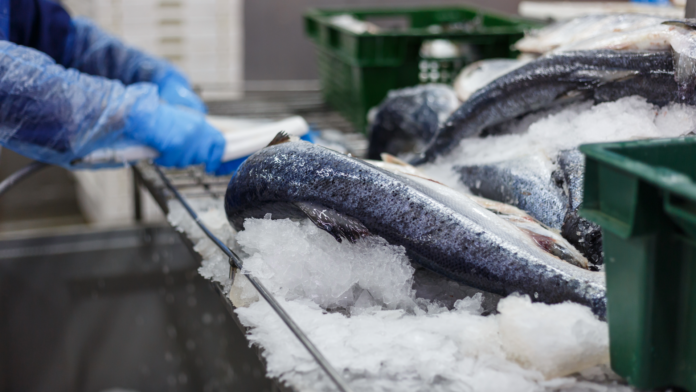

Salmon has been used for a long time in world diets and was once a superfood. The fabulous taste, charming pink color, and heart-friendly reputation of salmon have made it a favorite pick in homes and restaurants. However, a closer look at salmon farming paints a more complicated picture of environmental, health, and ethical problems.
The growth of raised salmon
In the late 1990s, the high demand for salmon resulted from sushi and its other versatile usages. As wild salmon have become scarce from overfishing, pollution, and habitat loss, farmed salmon has become the main source. Most of the salmon you see today is farm-raised. Atlantic salmon is the most common. Chile, Norway, and Canada are the mainexporters.
Today, salmon farming in Chile produces over 1 million tons, up from 500 tons per year in the 1980s. This speedy growth is very costly to ecosystems, public health and local people.
Environmental Risks
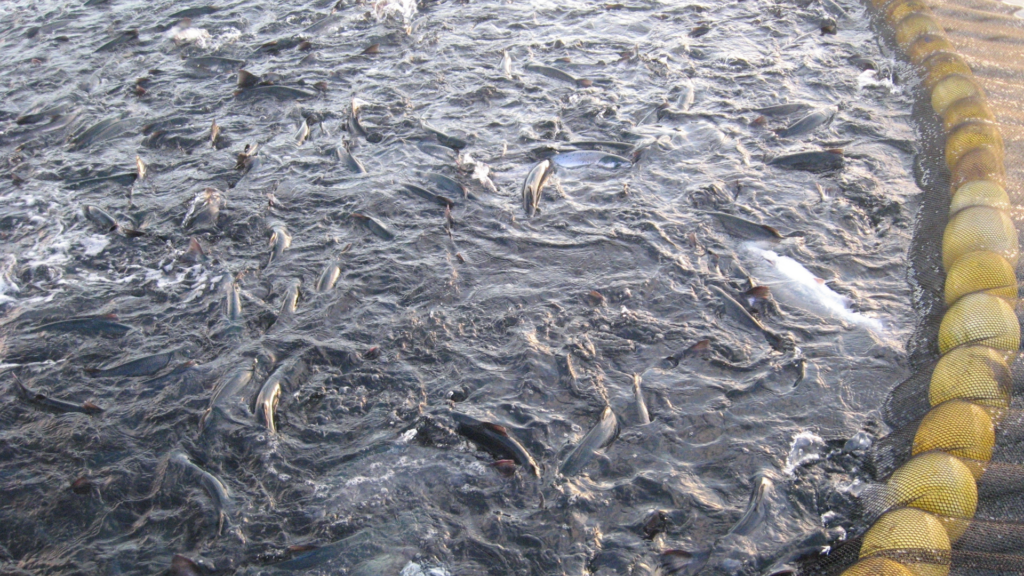
Salmon farming poses serious threats to marine ecosystems. Fish are raised in crowded sea pens, leading to:
- Water Pollution: Waste, uneaten feed, and chemicals seep into surrounding waters, harming marine life and altering ecosystems.
- Disease Transmission: Farmed salmon can spread diseases and parasites to wild populations, disrupting natural balance.
- Escapes: Thousands of salmon escape these pens annually, introducing invasive species that disrupt local biodiversity. In regions like Patagonia, this has raised significant concerns among conservationists.
- The Washington Post reported on 2024 that 64.8% of Chilean farmed salmon sold in the U.S. is classified as “high environmental risk” due to its reliance on overfishing for feed and excessive use of antibiotics and chemicals, this is the same salmon used in the Peruvian market.
Nutritional Concerns
Despite its reputation as a healthy protein, farmed salmon is not as nutritious as once believed. A 2024 Cambridge study found that farming salmon results in a net loss of nutrients, particularly Omega-3s, calcium, and vitamin B12. The inefficient farming process requires three pounds of smaller feeder fish to produce just one pound of salmon, further depleting ocean resources.
Farmed salmon is also high in saturated fat. According to the Physicians Committee for Responsible Medicine (PCRM), up to 80% of the fat in salmon is harmful, increasing risks for heart disease, stroke, and diabetes. Additionally, the antibiotics used in farming contribute to the global health crisis of antibiotic resistance.
5 Reasons to Avoid Salmon: Environmental Concerns and Farming Issues
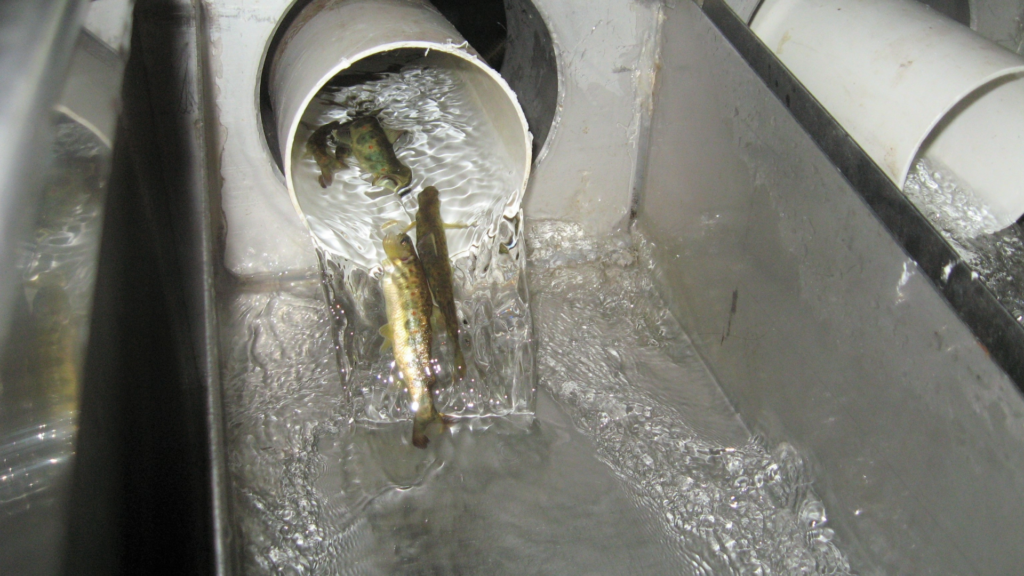
The Forum for the Conservation of the Patagonian Sea has identified the following issues related to salmon farming in Chile:
- Escapes of Salmon into Patagonian Waters Escaped salmon introduce invasive species into pristine ecosystems, leading to biodiversity loss.
- Excessive Use of Antimicrobials High fish densities lead to disease outbreaks, prompting the use of excessive antibiotics and antiparasitics, increasing antimicrobial resistance.
- Marine Pollution Beneath salmon cages, significant amounts of waste accumulate, contributing to harmful algal blooms like red tides that threaten public health.
- Overexploitation of Marine Resources Salmon are primarily fed pellets made from wild-caught marine species, leading to the overfishing of vital fish populations.
- Negative Impacts on Marine Wildlife Salmon farms disrupt habitats for marine mammals and birds, affecting migration routes and increasing acoustic pollution.
The Other Side: Industry Defense and Sustainability Efforts
While concerns about environmental impact are prevalent, the salmon industry has responded with efforts aimed at improving sustainability. SalmonChile refutes claims made by reports, stating that the reports exaggerate negative impacts. They emphasize that salmon farming provides a more sustainable protein source compared to other animal agriculture, with ongoing initiatives to reduce antibiotic use and ecological footprint.
Despite these efforts, the industry faces challenges in fully addressing its ecological and ethical footprint, prompting continued calls for more sustainable practices.
Ethical Dilemmas
Beyond health and environmental concerns, the ethical implications of farmed salmon are significant. Salmon in captivity live shortened, stressful lives in overcrowded pens, far removed from their natural behaviors. This industrial process often benefits wealthier nations while depleting the resources of countries facing food insecurity. Additionally, the feeder fish used in salmon farms are usually sourced from the waters of global south nations, further exacerbating inequalities.
A Better Way Forward
The environmental and ethical issues associated with salmon farming prompt a shift toward alternative sources of nutrition. Experts recommend consuming smaller, more sustainable fish like mackerel and anchovies, which offer nutrient-dense options with a lower environmental impact.
The Truth of Trout
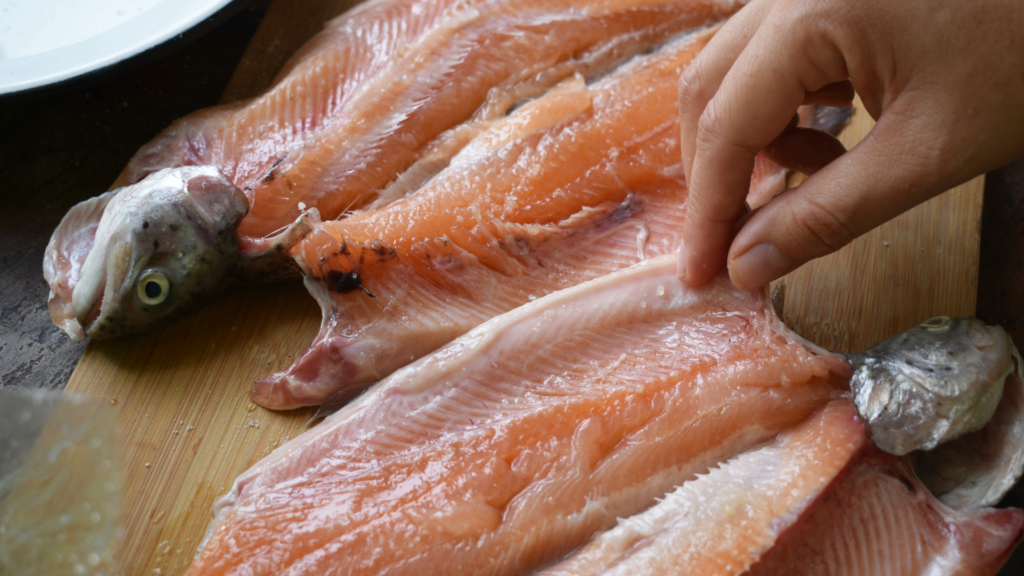
Consider incorporating Peruvian trout into your meals to taste the Peruvian Andes. This nutritious fish, sourced from sustainable aquaculture projects in regions like Choclococha (Huancavelica) and Arapa (Puno), is known for its delicate flavor, high Omega-3 content, and rich nutritional value.
Raised under rigorous quality standards by local communities and expert producers like Mar Andino and Truchas Arapa, these trout offer an environmentally responsible and socially impactful product.
Whether prepared as a fresh cebiche, lightly grilled, or steamed, Peruvian trout brings a versatile and healthy option to your table while supporting local traditions and livelihoods. Available in various presentations, including fillets, smoked roe, and whole fish, it’s a culinary delight worth exploring.
Salmon may have been a dietary darling, but its hidden costs are too significant to overlook. We can prioritize health, sustainability, and ethics through informed choices while enjoying meals that align with our values.

