
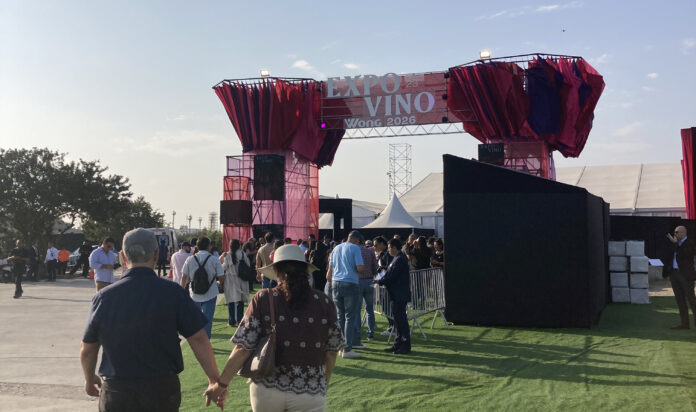
A wine fair offers a rare chance for direct comparison. Visitors can taste the same grape variety from different regions, encounter unfamiliar producers, and consider the reasons behind their preferences. Curiosity often leads to a more informed approach to choosing and sharing wine.
For over two decades, Expovino Wong has facilitated these encounters. The 23rd edition will be held October 15 to 17 in Lima, featuring tastings, masterclasses, food, and music. The event also marks a moment to consider the fair’s role in shaping wine culture in Peru.
A Fair That Grew Alongside Its Audience
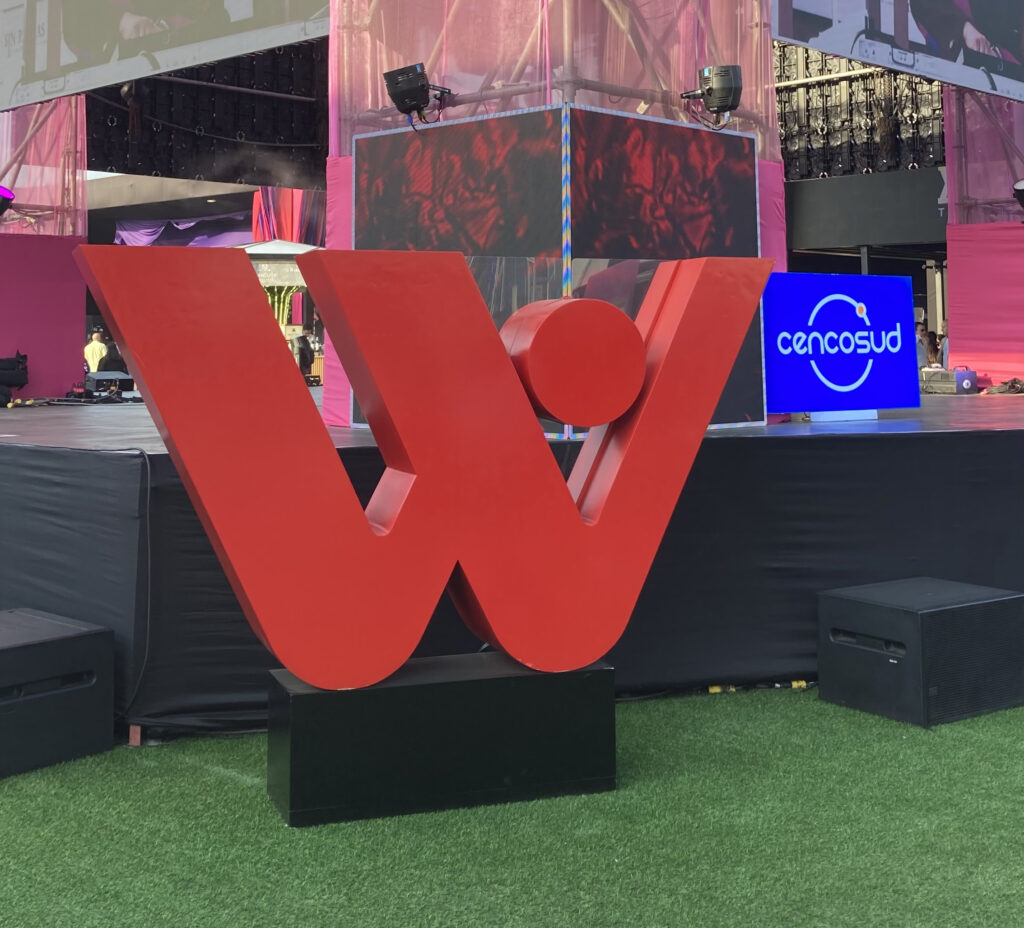
In 2004, supermarket chain Wong organized its first Expovino at the Puericultorio Pérez Araníbar, following earlier international wine fairs promoted by the Club del Vino. Since then, the event has moved between venues, expanded its offerings, and introduced different ways to learn.
Over the years, visitors have explored an Aroma Tunnel, dedicated pisco spaces, and a sparkling wine hall. In 2009, when Peruvian wines first entered the competition, Intipalka Chardonnay took gold, drawing attention to what was being produced closer to home.
Food gradually became a bigger part of the experience. In 2014, the “Maridajes Restaurant” concept brought chefs and sommeliers together to create food-and-wine pairings. During the virtual editions of 2020 and 2021, the fair found new ways to reach people at home. The second featured restaurants including Maido, Astrid y Gastón, and Isolina.
The connection between food and wine continued to evolve as the event returned to an in-person format. Bringing wine to the table often provides the most direct context for understanding what is in the glass.
A Bottle to Remember Each Edition
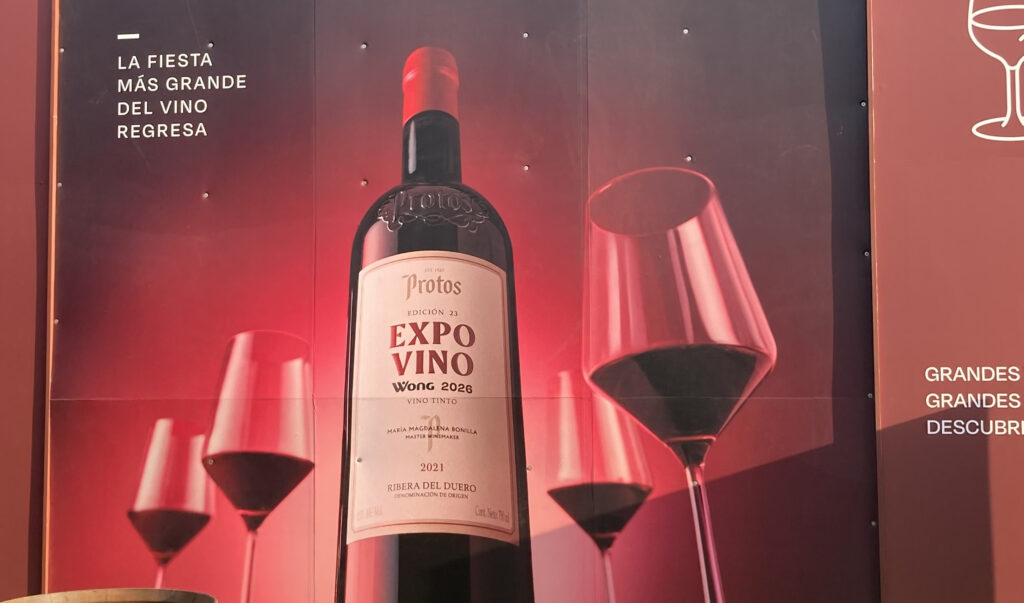
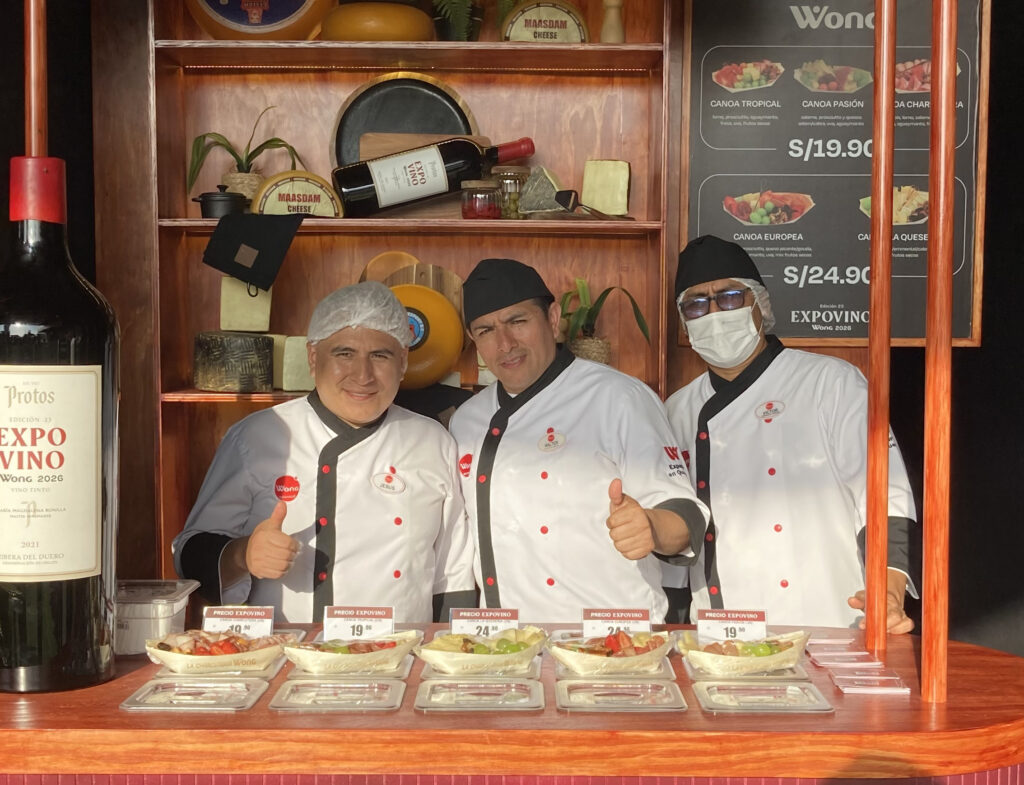
Since 2023, Expovino has also released an exclusive wine made in partnership with a guest winery. Rutini came first, followed by Ernesto Catena Vineyards and Mascota. In 2026, the collaboration moves to Spain with Bodegas Protos.
The official wine is a 2021 vintage red made from Tempranillo grown in Spain’s Ribera del Duero appellation. It spent 12 months in oak barrels before aging further in the bottle. Its label bears the signature of winemaker María Magdalena Bonilla.
These collaborations result in bottles that visitors can take home, cellar, or revisit later. Each release introduces a winery, a region, and a particular approach to winemaking. While the fair is brief, the impact of these wines often extends well beyond the event.
More Room at the Table
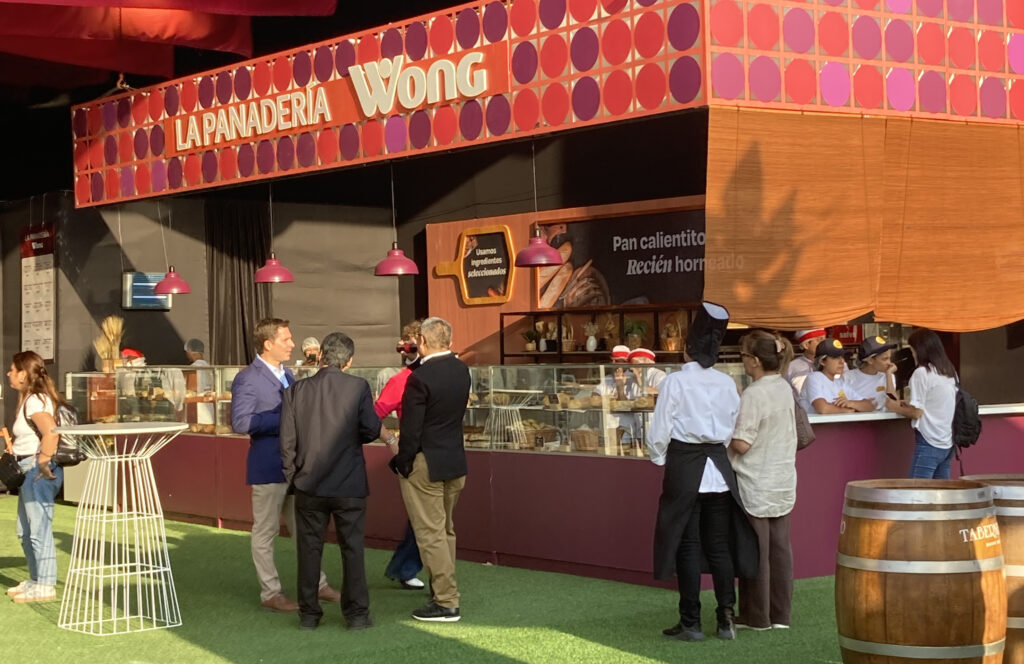
This year’s food lineup includes Maido, Tori, Entre Migas, Pánguche, El Hornero, and Wong Bistró. The range of options allows visitors to explore wine alongside a variety of dishes and dining styles.
The integration of food has made wine more accessible, reducing some of the formality that can deter new drinkers. Everyday questions—such as what to pair with a sandwich or serve at lunch—help demystify the experience.
The inclusion of alcohol-free wines reflects a broader effort to accommodate different drinking preferences and expand the fair’s offerings.
The value of an event like Expovino often lies in what visitors take away beyond their purchases: answers to questions, new grape varieties to explore, or the discovery of a Peruvian winery. These experiences can sustain the relevance of a wine fair long after it ends.
Planning Your Visit
Admission is by invitation and registration only, and the event is restricted to adults aged 18 and over. Each visitor must present their QR-coded ticket and the valid identification document used to register.
To participate in wine tastings, visitors must purchase the event’s tasting glass. Masterclasses have limited capacity and their own registration requirements.

