
This article concludes Living in Peru’s three-part guide for Americans considering a move to Peru.
Choosing a city and obtaining the correct immigration status are the foundations of relocating to Peru. The next stage is more practical: finding a home, opening a bank account, choosing healthcare coverage, and understanding how living abroad may affect taxes in two countries.
These processes become easier once a foreign resident has a Carné de Extranjería, but requirements vary by institution. Patience, organized records, and functional Spanish can make the first months significantly less complicated.
Finding a place to live
Renting is usually the most practical option during the first months in Peru. It gives you time to understand traffic, noise, access to services, and the character of different neighborhoods before making a long-term commitment.
Property platforms such as Urbania and Adondevivir are common starting points. Listings also circulate through real estate agents, social media groups and personal networks.
Before signing a lease, confirm:
- Whether building maintenance fees, or taxes are included
- Which utilities the tenant must pay
- The amount and return conditions of the security deposit
- Whether the apartment is furnished
- Whether rent is set in soles or US dollars
- Rules concerning pets, visitors and subletting
- The procedure for ending or renewing the agreement
Apartments advertised as furnished can differ considerably in what they include. Ask for an inventory and check appliances, water pressure, hot water, internet availability and signs of humidity before accepting the property.
A Spanish-speaking lawyer or trusted local adviser can review the agreement when the terms are unclear. Do not rely only on verbal promises concerning repairs, furnishings or the return of a deposit.
Choosing a neighborhood in Lima
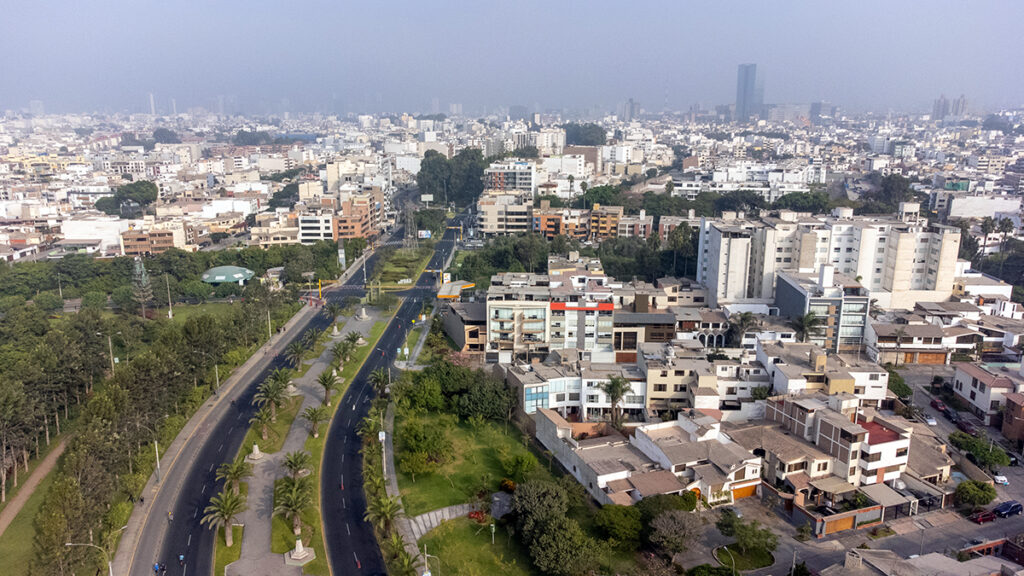
Miraflores, San Isidro and Barranco are frequently selected by foreign residents because of their restaurants, shops, private clinics and cultural life. They also tend to command higher rents.
Other districts may suit different routines and budgets:
- Magdalena del Mar offers a central coastal location and a more residential atmosphere.
- Jesús María and Pueblo Libre provide access to services and established neighborhoods without the same tourism profile.
- Surco includes large residential areas, shopping centers, and schools, although commuting times vary considerably.
- La Molina offers more space and a suburban environment but can feel disconnected from central Lima.
The right choice depends less on prestige than on proximity. Lima traffic can transform a short distance into a long daily journey, so calculate the actual commute between the apartment and work, school, healthcare and frequent activities.
Visit the area during the day and after dark before signing. Check street noise, lighting, transportation, building security and access to supermarkets or pharmacies.
Can foreigners buy property in Peru?
Foreign nationals can generally purchase property in Peru, subject to constitutional restrictions that apply in certain areas near the country’s borders.
A purchase commonly involves reviewing the property’s registry record, preparing a sale agreement or minuta, completing the transaction before a notary and registering the new ownership with SUNARP, Peru’s public registry authority.
Due diligence should confirm the legal owner and identify mortgages, liens, disputes, unpaid obligations or other restrictions affecting the property.
A buyer should also understand the taxes and municipal expenses associated with purchasing, owning and eventually selling the property.
Buying a home does not automatically grant the owner Peruvian residence or qualify the transaction as an investment for immigration purposes. Immigration and real-estate decisions should be evaluated separately.
Opening a bank account
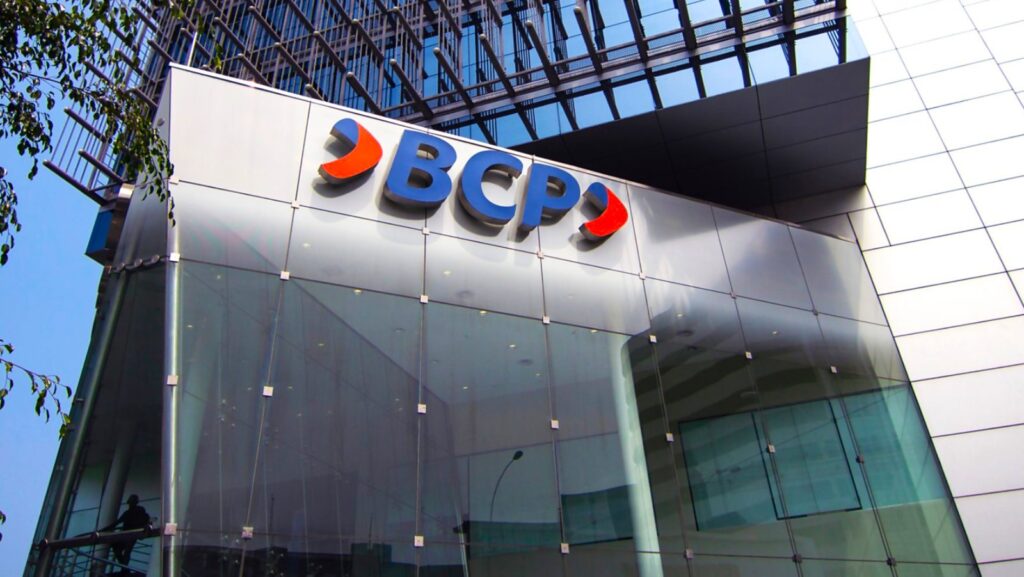
Requirements vary by bank and account type. Foreign residents will commonly be asked for:
- A valid passport
- A Carné de Extranjería
- Proof of address
- Employment or income information
- Details concerning the source of their funds
Some institutions may request additional tax or immigration documents. A tourist passport alone may not be sufficient to open a standard resident account.
Accounts in both soles and US dollars are common. Holding both can be useful when income arrives from abroad, but most everyday expenses are paid in local currency.
Peru has a well-established digital payments ecosystem. Banking applications and mobile payment platforms are widely used for daily transactions, while cash remains useful in markets, small businesses and more remote areas.
Before selecting a bank, compare account fees, ATM access, international transfer charges and exchange rates. Americans should also remember that foreign financial accounts may create reporting obligations in the United States.
Setting up utilities and communications

A long-term lease does not necessarily mean every household service is already active.
Confirm which utilities remain in the property owner’s name and how payments will be handled. Apartment maintenance fees may cover common-area services but normally do not include all household consumption.
Internet quality varies by building and neighborhood. Ask which providers serve the exact address rather than relying on general coverage maps. Remote workers should test the connection before committing to a property and consider a mobile backup.
Prepaid mobile service can be useful immediately after arrival. Postpaid contracts may become easier to obtain once the resident has local identification, a bank account or a documented payment history.
Bringing belongings to Peru
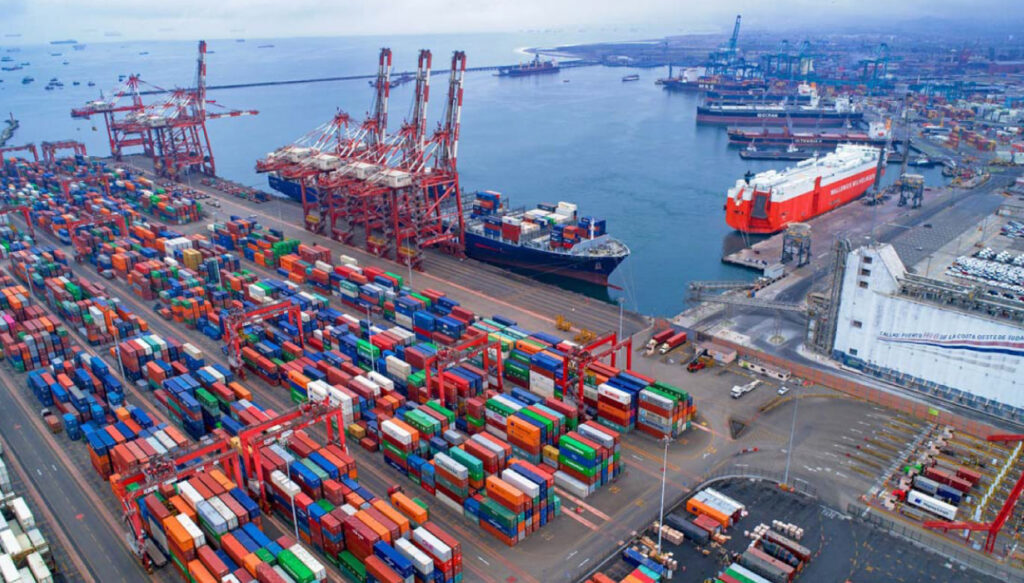
Importing household goods can involve customs declarations, taxes, port charges and documentation proving the owner’s identity and immigration status.
Personal luggage carried on a flight is treated differently from an international household shipment. Rules can also depend on the type, value and condition of the goods and when they enter Peru.
Before shipping furniture or electronics, request a complete estimate that includes freight, customs handling, storage, port charges and delivery—not only the international transportation cost.
Consider whether replacing ordinary household items in Peru might cost less than shipping them.
Importing a vehicle is considerably more complex. Age restrictions, technical requirements, duties and registration costs can make bringing a car from the United States less practical than purchasing one locally.
Current customs requirements should be confirmed with Peru’s tax and customs authority, SUNAT, before arranging any shipment.
Healthcare in Peru

Peru has public, social-security and private healthcare providers. Access and quality vary by system and location.
EsSalud is the social-security healthcare system primarily associated with formal employment. The Seguro Integral de Salud, or SIS, is a public insurance system whose eligibility depends on the person’s circumstances and applicable regulations.
Lima has the country’s broadest selection of private clinics, specialists and diagnostic services. Arequipa, Cusco and other regional capitals also have private facilities, although highly specialized treatment may still require travel to Lima.
Many foreign residents choose private insurance or maintain an international policy. Before purchasing coverage, check:
- Which clinics belong to the insurer’s network
- Whether care outside Lima is included
- Waiting periods and exclusions
- Treatment of pre-existing conditions
- Prescription and emergency coverage
- Whether medical evacuation is included
- Whether reimbursement is available during trips abroad
Spanish becomes particularly important when arranging appointments, understanding prescriptions and communicating with administrative staff, even when the treating doctor speaks English.
New residents who take regular medication should investigate local availability before moving. Brand names may differ, and some prescriptions issued in the United States may need to be replaced by one from a Peruvian physician.
Understanding taxes
Immigration residence and tax residence are related but separate matters. Receiving a Carné de Extranjería does not, by itself, answer every tax question.
A person’s obligations may depend on the length of time spent in Peru, the source of the income and the date on which Peruvian tax residency becomes effective.
US citizens may continue to have US filing and financial-reporting responsibilities while living abroad because the United States taxes its citizens on worldwide income.
Foreign bank accounts, investments, property ownership and companies may generate additional reporting requirements. Remote work can also create questions about where income is earned and taxed, even when the employer or client is outside Peru.
Remote workers, investors, property owners and anyone receiving income from more than one country should consult professionals familiar with both Peruvian and US rules. Do not assume that foreign income is automatically exempt in either jurisdiction.
Building a realistic first-year budget
The first year of relocation usually costs more than an ordinary year of living in Peru.
In addition to recurring expenses, budget for:
- Temporary accommodation
- Rental deposits and advance payments
- Immigration fees
- Apostilles and translations
- Insurance enrollment
- Basic furniture and household goods
- International transfers
- Flights to the United States
- Professional legal or accounting advice
- Emergencies and unexpected administrative delays
Families should investigate education before choosing a neighborhood. International and bilingual schools can represent one of the largest household expenses, and admissions calendars may affect the timing of a move.
Private healthcare, imported products and frequent travel can also reduce the apparent cost advantage of living in Peru.
IN THE KNOW . Banking policies, healthcare coverage, tax rules, customs requirements and administrative fees can change.
Give the process time
A Carné de Extranjería may unlock access to many services, but it does not make every procedure immediate. Banks, insurers, landlords and telecommunications companies can apply different documentation requirements.
Keep digital copies of passports, immigration resolutions, contracts, payment receipts and proof of address. A local phone number and a consistent Peruvian address will gradually make administrative tasks easier.
Treat the first months as a period of adjustment. Learning how to pay bills, move around the city, and interact with local institutions is part of building a life in a new country.
With planning and the appropriate professional guidance, those procedures become less intimidating. They are the practical steps that transform an extended stay into a functioning home.
This article provides general information and does not constitute legal, tax, financial, medical or investment advice. Confirm current requirements with the corresponding Peruvian authority or service provider before transferring funds, importing belongings, purchasing property or signing a contract. Seek advice from qualified professionals familiar with both Peruvian and US regulations when your decisions may create legal or financial obligations.

