
This article is part of Living in Peru’s three-part guide for Americans considering a move to Peru.
For many Americans, Peru is not the most obvious choice when thinking about a move to Latin America. Yet the country invites a closer look. Its landscapes shift from the Pacific coast to the high Andes to the Amazon rainforest, each with its own traditions and flavors. Living costs can be more accessible than in the US, and Peru’s food culture —now recognized around the world—offers daily discoveries. Most of all, life here means adapting to a culture that transforms as you travel from one region to the next.
But living in Peru is a different story from visiting for a few weeks. Building a home here means choosing a city that fits your rhythm, learning how far your money will go, and getting used to daily life in Spanish. Everyday routines—getting around, finding healthcare, dealing with paperwork—can feel unfamiliar at first.
Peru can be both welcoming and challenging. Many systems are not built with foreign residents in mind. Before you start researching visas or packing boxes, it helps to ask a more personal question: does the life you imagine in Peru truly fit what you want for yourself?
Peru at a glance
Peru is commonly divided into three broad geographic regions: the Pacific coast, the Andes and the Amazon. Each has its own landscapes, climates, ingredients and rhythms of life.
Lima is the capital and the country’s largest economic and cultural center. Spanish is the most widely spoken language, while Quechua, Aymara and other Indigenous languages are also officially recognized where they predominate.
Peru’s currency is the sol, identified internationally as PEN and locally with the symbol S/. US dollars are accepted for some major transactions—particularly in tourism and real estate—but everyday purchases are generally made in soles.
Weather depends almost entirely on location. Lima has mild temperatures, high humidity and very little rain. Cities in the Andes experience colder nights and a marked rainy season, while the Amazon remains warmer, wetter and more tropical throughout the year.
How much does it cost to live in Peru?
Living in Peru can cost much less than in many parts of the United States, but the real difference depends on your choices—where you settle, how you shop, and the lifestyle you want to maintain.
Housing, local produce, public transportation and many personal services can be relatively affordable. Imported products, private healthcare, cars and international education can be more expensive than newcomers expect.
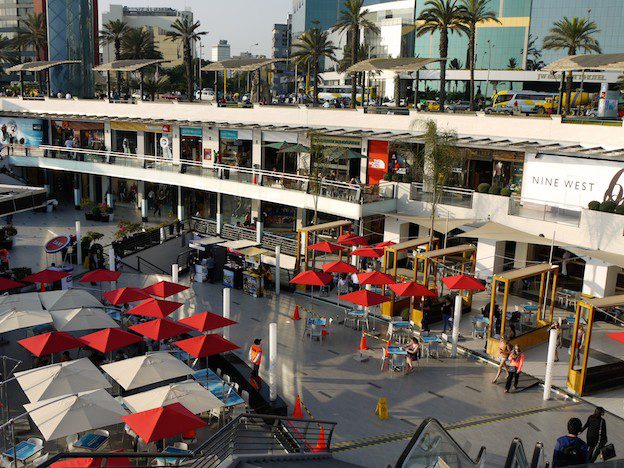
Lima is generally the country’s most expensive city, particularly in neighborhoods popular with foreign residents. Cusco’s tourism economy can also push up rents in central and highly visited areas. Arequipa and other regional cities may offer lower housing costs, although the choice of international schools, specialized healthcare and foreign-oriented services is more limited.
Instead of relying on a national average, build a budget around the city and district where you expect to live. Include:
- Rent and building maintenance fees.
- Electricity, water, gas and internet.
- Private health insurance.
- Transportation.
- Immigration procedures, translations and apostilles.
- Trips back to the United States.
- Private or international schooling, when applicable.
- Emergency savings in soles and US dollars.
Earning in foreign currency can stretch your budget further, but it is important to keep an eye on exchange rates and understand your tax responsibilities in both countries.
If you plan to rely on a local salary, your financial reality will look quite different. Pay varies widely by profession and is usually lower than in the US. It is wise to research job options and conditions before making the move, rather than after you arrive.
How much Spanish will you need?
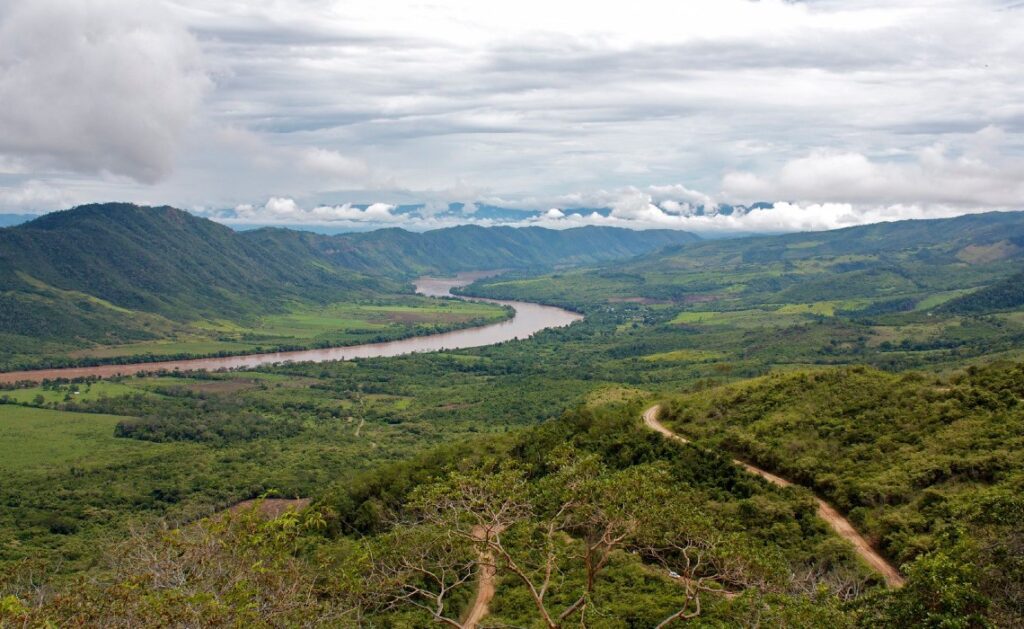
In some areas of Lima or Cusco, especially in tourism or international business, you can get by at first with limited Spanish. But for daily life—finding an apartment, sorting out paperwork, or chatting with neighbors—knowing the language makes a world of difference.
Rental negotiations, immigration notifications, banking procedures, medical administration and conversations with tradespeople are usually conducted in Spanish.
Learning local Spanish opens doors beyond paperwork. It lets you connect with people, understand local humor, and experience Peru more fully. While Peruvian Spanish has its own expressions, most newcomers find that regular practice makes daily conversations easier than expected.
Choosing where to live

There is no single way to be an expatriate in Peru. Life in Lima feels very different from settling in Cusco, the Sacred Valley, or a quiet coastal town in the north.
The best place for you depends on what matters most in your daily life—work, schools, healthcare, green spaces, easy travel, or simply a slower pace.
Lima
Lima offers the widest selection of jobs, international schools, private healthcare, cultural events and international connections. It is also the center of Peru’s celebrated restaurant scene.
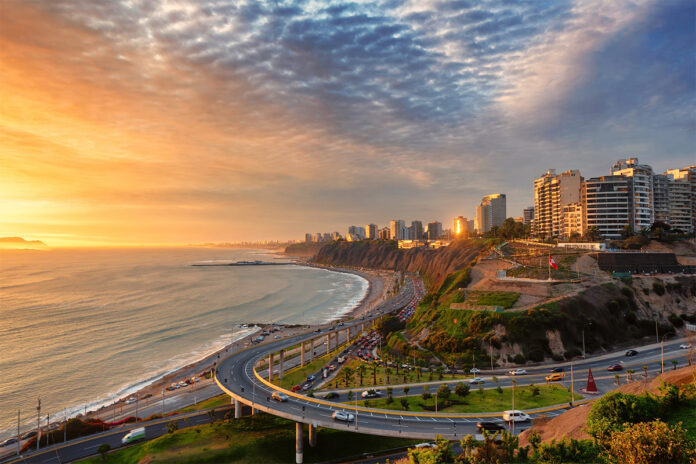
Miraflores, San Isidro and Barranco are frequently chosen by foreign residents because of their restaurants, shops, private clinics and access to the city’s cultural life. They are not the only possibilities. Surco, Magdalena del Mar, Jesús María, Pueblo Libre and La Molina may suit different budgets and routines.
The trade-offs in Lima include traffic, humidity, long commutes, and a pace that can feel relentless. Picking the right neighborhood is less about trends and more about keeping your daily life manageable—close to work, school, and the places you visit most.
Cusco and the Sacred Valley
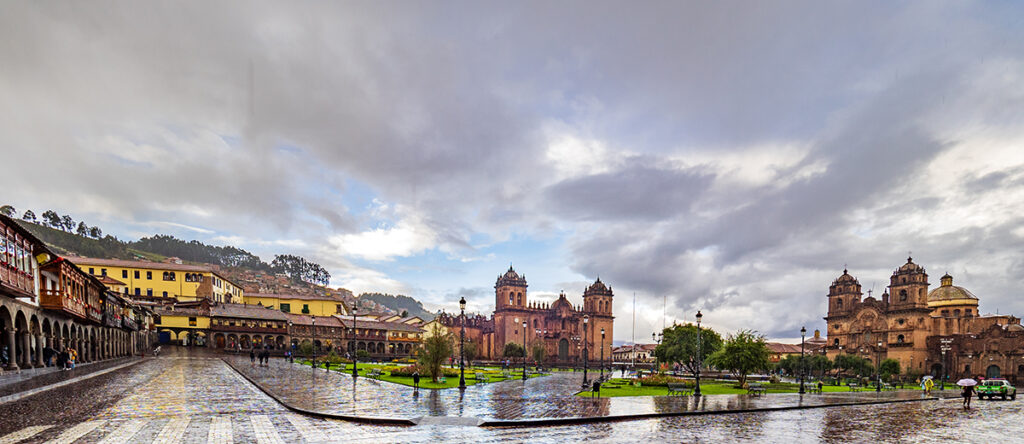
Cusco combines a strong cultural identity with an international tourism community. It appeals to people working in hospitality, education and creative fields, as well as some remote professionals.
Cusco’s altitude, at about 3,400 meters, is not just a number—it shapes daily life. New arrivals often need time to adapt, and anyone with health concerns should get advice before moving. Specialized healthcare and infrastructure are more limited than in Lima, so planning ahead is important.
The Sacred Valley is quieter, drawing people who value nature, wellness, and a slower pace. Towns like Urubamba and Ollantaytambo have their own communities, but living outside Cusco means planning carefully for transport, healthcare, and a steady internet connection.
Arequipa
Arequipa stands out for its strong local identity, celebrated food traditions, and sunshine that often escapes Lima’s gray skies. The city’s historic center and the dramatic volcanic backdrop give daily life a sense of place you will not find elsewhere.
It has private clinics, universities, and modern services, but fewer international employment opportunities. Trujillo and Piura offer warmer weather and a more laid-back city life, while coastal spots like Máncora attract people interested in beach life and tourism-related businesses.
Smaller cities can mean lower rent and a gentler pace, but it is important to check the basics—healthcare, transport, internet, and how close you are to an airport—before deciding to settle in.
Is Peru safe for foreign residents?
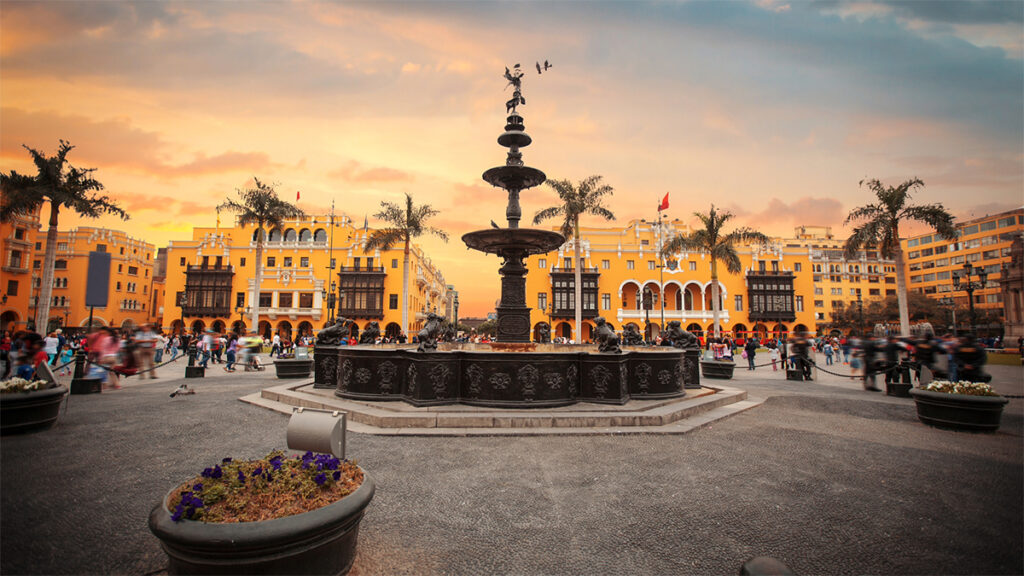
Safety in Peru depends a lot on where you live and your daily habits. For most residents, petty theft—like phone snatching—is a bigger worry than crime aimed at foreigners.
The same common-sense precautions apply here as in other big Latin American cities: keep valuables out of sight, use trusted transport, stay alert when using your phone in public, and learn which neighborhoods call for extra care.
Visit a prospective neighborhood during the day and after dark. Ask residents about lighting, transportation, building security and the walk between the property and the places you will regularly visit.
Traffic is another reality to prepare for. Driving can feel unpredictable if you are used to US roads, and pedestrians do not always have the right of way. Many newcomers start out using taxis or ride-hailing apps while they learn the rhythms of their new city.
Try ordinary life before relocating
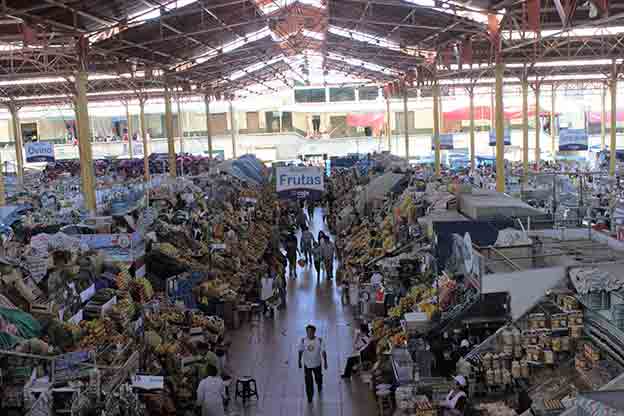
Before you decide to move for good, spend real time in your chosen city. Go beyond the highlights and try out daily routines.
Rent a short-term apartment, try the commute, shop at local markets, and visit clinics. Walk around neighborhoods at different hours. If you will work remotely, check the internet speed in the exact spot you plan to call home.
Build your budget around the life you really plan to live. A handful of cheap meals or market trips will not tell the whole story if you also need international schools, private insurance, or regular flights back to the US.
Peru can be a wonderful home for those who are inspired by its culture, landscapes, food, and regional variety. The move is more challenging if you need to find a high-paying local job after arrival, or if your family depends on services mostly found in Lima.
Peru offers a different way of life, but the best choice starts with knowing which version of the country matches what you are looking for.
IN THE KNOW: Living costs, local conditions and administrative requirements can change. Confirm current information with the corresponding Peruvian authorities and seek professional advice when making legal, tax or financial decisions.
Next in the series: How to obtain legal residence in Peru, from choosing an immigration category to preparing documents and applying for a Carné de Extranjería.

