
It’s finally getting colder, and now that winter is in full swing, we recommend some superb Peruvian wines to keep you warm.

Sophia L’Orange
This is a Natural Orange wine produced by Bodega Murga, is the co-fermentation product of pisco grapes Quebranta and Mollar using native yeast. It is processed and aged on steel tanks with no chemical intervention. It’s unfiltered so that the lees can be found on some bottles. It has a bright orange color with a cherry red halo, with ripe and tropical fruit notes on the nose with a hint of bread, on the mouth is dry with mild acidity and tannins; you can perceive berries and mineral notes from the land it comes from.

Raices Negras Demi Sec
This wine is produced and processed in Cañete, outside of Lima. It uses Italia grapes, also known as Muscat of Alexandria; here, the expression of the grape tends to the sweeter floral side. The wine has a bright golden color. You can perceive honey, floral notes like jasmine, and lemon curd in the nose. In the mouth is sweet but not overpowering. That sweetness will evolve into a mild acidity with a fresh and Balanced end.
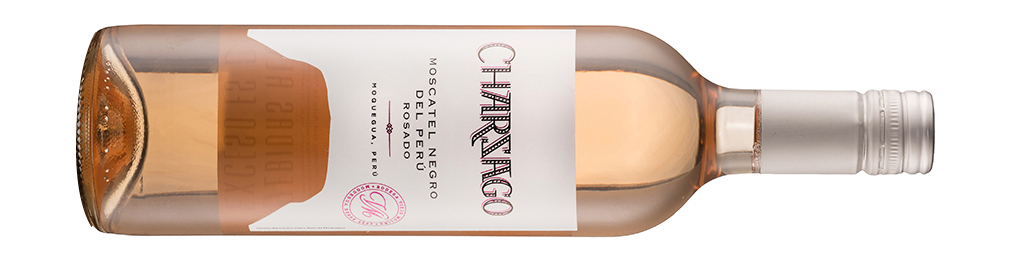
Charzago Rosé
Produced in Moquegua, this wine is made by Viejo Molino winery, a wine compound with top-of-the-line technology for creating and aging wine from the south of Peru. This rosé uses one of the “patrimonial grapes” (grapes that came with the Spaniards used for making pisco), Black Peruvian Muscat. This wine won the 2022 version of the Peruvian Wine Expo (salón del vino peruano).
The color is a pale salmon color with a bright halo, in the nose has berry aromas with hints of raspberry, and in the mouth, it has a round flavor, elegant and well balanced between sweetness and acidity. Flavorwise we can find strawberry compote and sour cherry notes.
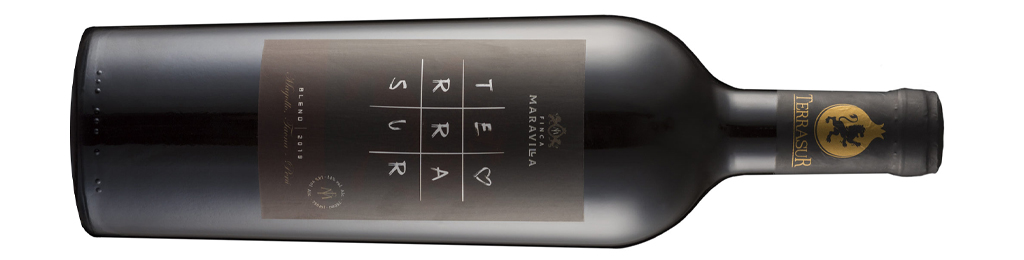
Terra Sur Blend
The first approach we had to Peruvian wine was with this label, a wine that is produced in the Arica dessert in Tacna on the border with Chile. The grapes from this winery are organized in lines exposed to the sun, the winery does not use agrochemicals on the field, and the way grapes are collected tends to the biodynamic side.
The red blend has most of the grapes they produce grenache, syrah, malbec, cabernet sauvignon, and cabernet franc; it is violet with ruby highlights. The nose is complex with a slight violet aroma, followed by plums, figs, and a peppery finish. On the mouth, it has a bold body and is elegant and well-structured.
IN THE KNOW: The Peruvian wine movement keeps growing each year. During July 2023, the Peruvian Wine Expo will occur in Lima City, portraying new wineries, products, and winners for the national wine championship.

