
This article is the second installment of Living in Peru’s three-part guide for Americans considering a move to Peru.
Deciding to live in Peru involves more than entering the country and finding an apartment. Tourist status is intended for temporary visits and does not automatically authorize a foreign national to settle permanently or work in the country.
Anyone planning a long-term move should identify the appropriate calidad migratoria, or immigration status. The right option depends on the applicant’s income, employment, family relationships, studies, or investment plans.
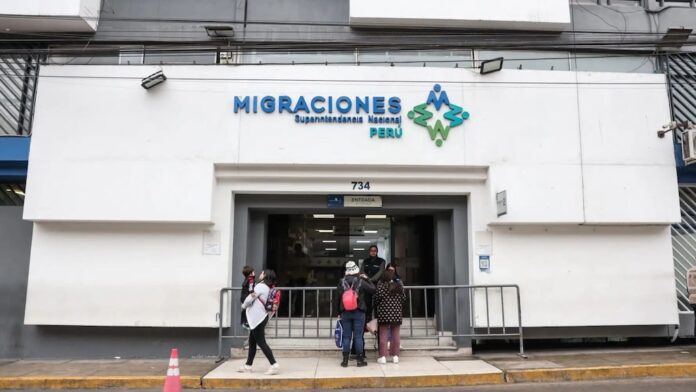
Requirements and procedures can change, so applications should always begin with the information published by Peru’s Superintendencia Nacional de Migraciones.
Do US citizens need a visa to visit Peru?
US passport holders can generally enter Peru for tourism without obtaining a visa in advance. However, Peruvian immigration authorities determine admission and the authorized length of stay at the point of entry.
Travelers should not assume that they will automatically receive a particular number of days or that an extension will be available. Before leaving the immigration checkpoint, verify the authorized period and track the end date.
Overstaying can result in fines and may complicate future immigration procedures. A tourist should also not rely on repeated entries as a substitute for legal residence.
Choosing the appropriate immigration category
Peru offers several resident categories. Some applicants may request a visa while outside the country, while an eligible foreign national already in Peru may be able to apply for a change of status.
These procedures are not interchangeable. Before collecting documents or paying a fee, confirm whether the relevant category must be requested from abroad or can be obtained from within Peru.
Rentista resident status
The rentista category is intended for foreign nationals who receive a permanent income from outside Peru, such as a retirement pension or another qualifying source of recurring income.
Applicants must demonstrate that the income is permanent and foreign-sourced. The nature of the funds—not simply the applicant’s age—determines eligibility. Employment income and freelance earnings should not automatically be considered qualifying passive income.
Rentista residents are not authorized to perform paid work in Peru. Current conditions and documentation are available through Migraciones’ official rentista resident procedure.
Worker resident status
Foreign nationals with an eligible employment, administrative or service contract may apply for worker resident status.
Depending on the arrangement, the application may require a contract approved or registered with the appropriate Peruvian labor authority, as well as documentation from the contracting company.
Having a job offer does not automatically authorize someone to begin working. Both the contract and immigration status must comply with Peruvian regulations before the applicant begins paid work.
Peruvian employers may also be subject to restrictions concerning the proportion of foreign employees and the percentage of payroll allocated to them, although exceptions can apply.
Migraciones publishes the applicable documents through its worker resident procedure.
Family resident status
Foreign nationals with a qualifying relationship to a Peruvian citizen or legal resident may be eligible for family resident status.
Depending on the circumstances, this can include spouses, formally recognized partners, children, parents and other relationships contemplated by Peruvian immigration law.
Applicants must prove the relationship through marriage, birth or other official records. Foreign marriages or civil records may need to be registered or recognized by the appropriate Peruvian institution.
The requirements depend on the applicant’s age and relationship to the Peruvian citizen or resident. Migraciones provides separate procedures, including its guidance for adult applicants seeking family resident status.
Investor resident status
The investor category allows a foreign national to establish, develop, or manage one or more lawful investments in Peru.
This route requires more than purchasing a home or transferring personal savings into the country. Applicants must demonstrate a qualifying investment and provide corporate, financial and business documentation that meets the conditions established by Peruvian law.
The process may involve registering a company, documenting the origin and transfer of the funds, presenting a business plan and meeting commitments connected to the proposed operation.
Thresholds and requirements can change. Prospective applicants should consult the current investor resident procedureand seek legal and accounting advice before committing funds.
Purchasing real estate does not, by itself, automatically provide residency or qualify the buyer for investor status.
Student or formation resident status
Foreign nationals admitted to recognized educational or professional training programs may apply for formation resident status.
The category can include basic and technical education, undergraduate and postgraduate studies, professional training, internships, and other modalities recognized by the Peruvian state.
Applicants generally need proof of enrollment or acceptance and evidence that they can support themselves during the program. The course must meet the duration and recognition conditions established by Migraciones.
Official requirements are available through the formation resident procedure.
What about the digital nomad category?
Peru has incorporated a digital nomad category into its immigration framework for foreign nationals who work remotely for companies or clients outside the country.
The creation of an immigration category and the activation of its application procedure do not always happen at the same time. Remote workers should verify directly with Migraciones whether applications are open, what income and employment evidence is accepted, and whether the category applies to their particular working arrangement.
Visitors should not assume that regular remote work is automatically authorized under tourist status.
Preparing the application
Once the correct category has been identified, gathering the documents is often the most time-consuming part of the process.
Requirements vary, but applicants may be asked to provide:
- A valid passport
- Criminal-record certificates from their country of origin and other countries where they have recently lived
- Evidence of employment, family relationships, enrollment, income or investment
- Documents issued by a Peruvian institution, employer or contracting company
- Proof of payment of the applicable government fee
Documents issued outside Peru may need to be apostilled or legalized. If they are not in Spanish, Migraciones generally requires a translation completed in accordance with Peruvian regulations.
Pay close attention to validity periods. A document can be authentic and properly apostilled but still be rejected if it is too old or does not meet the conditions established for the procedure.
Applications are commonly submitted through the Agencia Digital Migraciones. Applicants receive observations, requests and decisions through their electronic Migraciones mailbox, which should be checked regularly.
Do not wait until the final days of an authorized stay. Requests for corrections or additional documents can create delays, and maintaining regular immigration status remains important while the application is under evaluation.
Getting the Carné de Extranjería
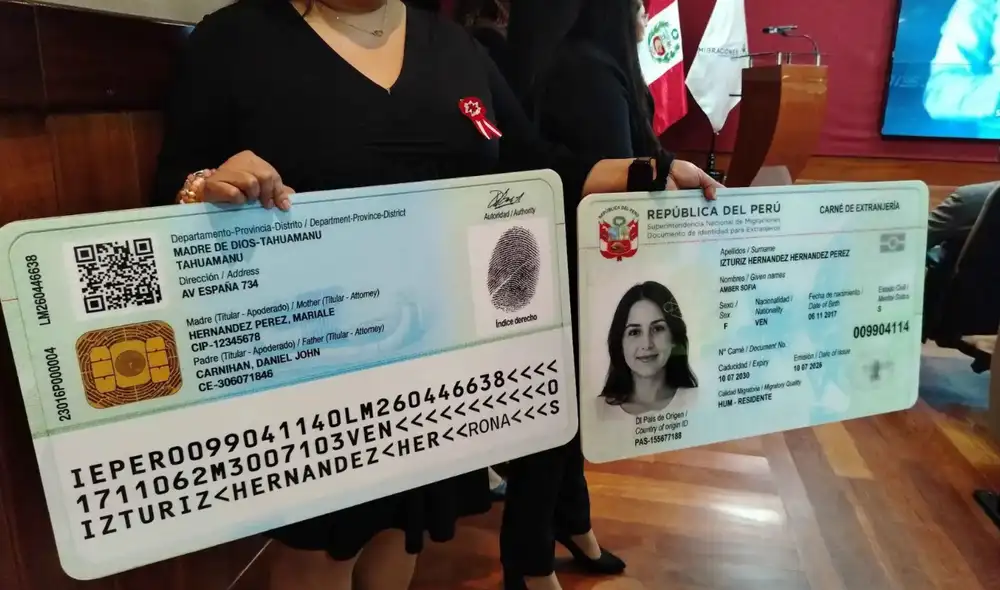
Once resident status is approved, the foreign resident can complete the procedure to obtain a Carné de Extranjería, Peru’s identity document for resident foreigners.
The card is frequently requested when opening a bank account, signing contracts, enrolling in local services and completing government procedures.
Receiving a Carné de Extranjería does not necessarily mean that the underlying residence is permanent. Depending on the immigration category, the resident may still need to request an extension before the authorized period expires.
Residents are also responsible for keeping their information current. Changes to your address, civil status, passport details, or immigration category may need to be reported. A lost or damaged card requires a replacement procedure.
Residence requires maintenance
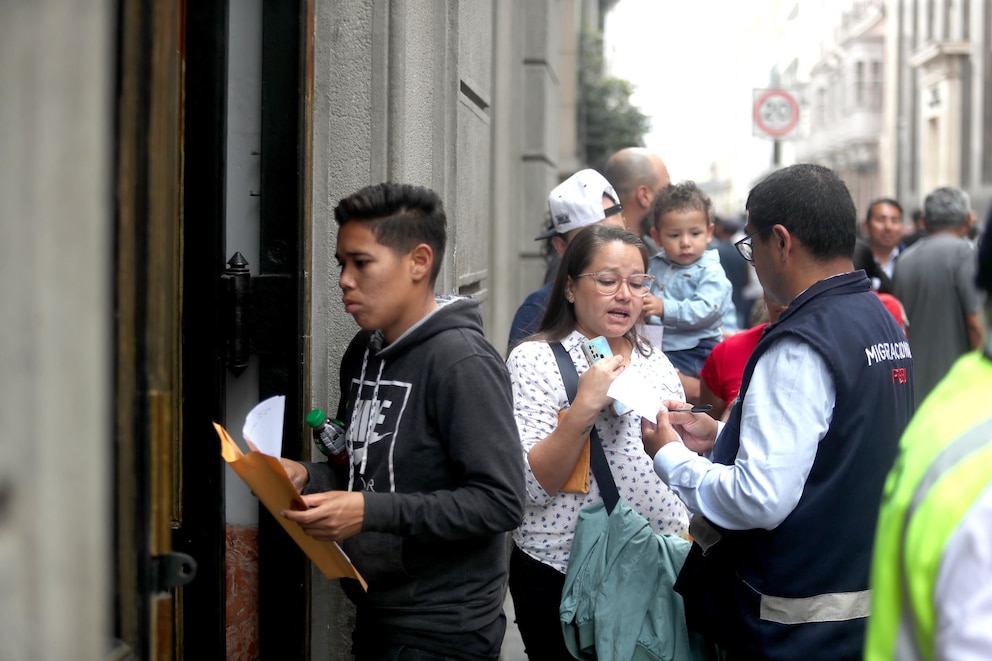
Obtaining resident status is not always the end of the immigration process.
Some categories require extensions or updated supporting documents. Spending extended periods outside Peru may also affect a person’s status, depending on the applicable rules and whether authorization was requested in advance.
Keep digital and physical copies of:
- The resolution approving resident status
- The Carné de Extranjería
- Passport and entry records
- Payment receipts
- Documents submitted with the application
- Messages received through the Migraciones mailbox
Set calendar reminders well before any expiration date. Missing a deadline can result in fines or the loss of status.
With the correct category and properly prepared documents, obtaining residence in Peru is achievable. The process rewards organization: identifying the right procedure, apostilling records before traveling and monitoring official notifications can prevent unnecessary delays.
Next in the series: Housing, banking, healthcare, taxes and the practical steps involved in settling into daily life in Peru.
IN THE KNOW: Immigration rules, application procedures, government fees and documentary requirements can change. This article is intended as a general introduction and does not constitute legal, immigration, tax, financial or investment advice.
Before making relocation decisions, transferring funds, signing a contract or submitting an application, confirm the current requirements with Peru’s Superintendencia Nacional de Migraciones. When appropriate, consult a qualified immigration lawyer, accountant or other professional familiar with Peruvian and US regulations.
Living in Peru cannot guarantee that every requirement, processing time, or government fee described in this guide will remain unchanged after publication. Each application is evaluated individually by the relevant Peruvian authorities.

