

Peru struggles with drinking water in dry seasons and an ancient system could be revived to avoid running out of this important element.
“Researchers estimate the technique – used by indigenous peoples of the region – is at least 1,400 years old”, Science Alert explained. “It involves diverting water from streams to mountain slopes when the rain is plentiful, resulting in natural springs that keep water stored over a longer period of time after the rainy season has stopped”, they continued.
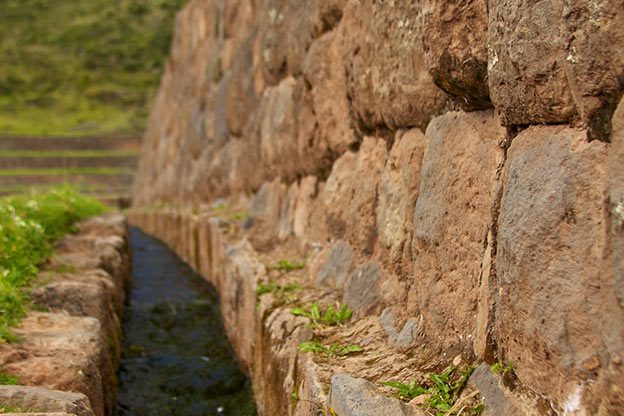
In ancient times, this was done through the construction of canals and ponds to divert water from its natural flow to where it was needed.
“The people of Lima live with one of the world’s least stable water situations,” said environmental engineer Wouter Buytaert, from Imperial College London in the UK to this webpage.
He and a team of researchers studied one of the few remaining examples that are still in Peru in Huamantanga. In this location, the “amunas” or canal in Quechua, were recently restored.
“Over the course of two years, in consultation with local people, the team found that the rerouted water takes between two weeks and eight months to work its way downstream – an average of 45 days”, Science Alert wrote.
Scientists believe that by using this technique, there could be 33% more water in the dry season than what there is today. Of course, the methods would be used in a much modern manner to maximize water saving.


