
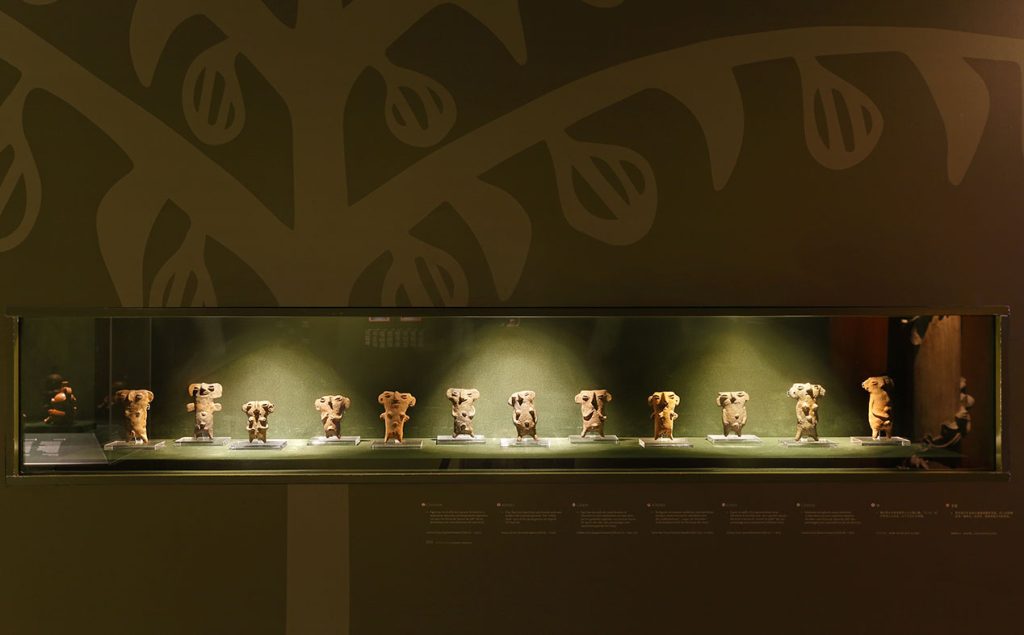
Museo Larco’s erotic collection provides a fascinating look into ancient Peru’s cultural and religious beliefs, offering a unique perspective on how different societies approached themes of fertility, life, and regeneration in their artwork.
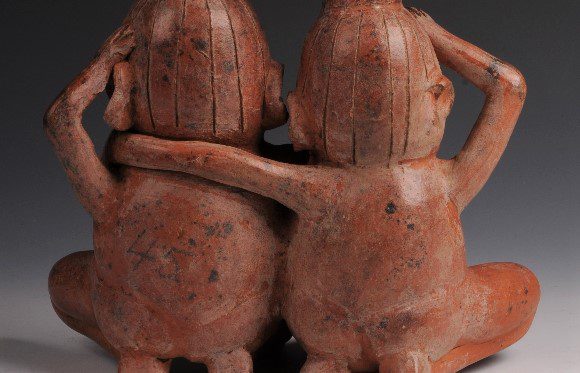
The erotic collection at Museo Larco primarily consists of Moche pottery dating back to the Moche culture that thrived in northern Peru from around 100 to 700 AD. The Moche people were known for their intricate pottery, and some of these ceramics feature explicit and graphic representations of sexual acts, fertility rituals, and intimate scenes.
Moche Culture
The Moche civilization, known as the Mochica, was exceptionally skilled in pottery craftsmanship. The erotic pottery is believed to have had ritualistic and ceremonial significance, possibly related to fertility rites or religious practices. The explicit nature of the depictions suggests a connection to themes of life, death, and regeneration.
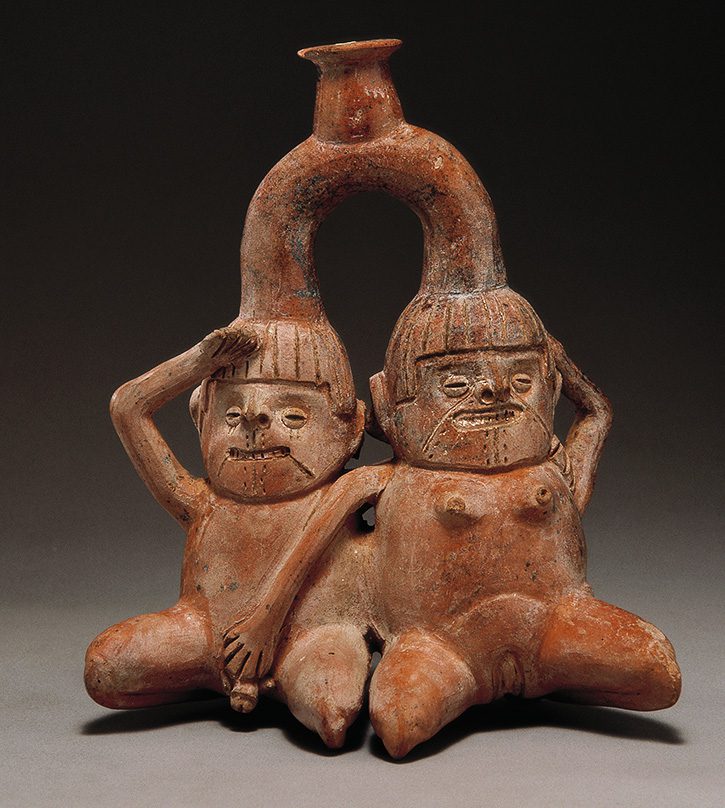
While the explicit nature of the erotic pottery might be surprising to modern viewers, it’s important to note that the Moche people incorporated symbolism into their artwork. The erotic scenes on the pottery are thought to symbolize fertility, abundance, and the cycle of life. They provide a glimpse into the cultural and religious practices of the ancient Moche civilization.
The erotic collection includes a variety of ceramic vessels, present scenes of childbirth, breastfeeding, and other aspects of human life. The vessels vary in size and shape, with some taking the form of stirrup-spout bottles, beakers, and effigy vessels.
IN THE KNOW: The Larco Museum was the first museum in Latin America to electronically catalog its entire collection and make it accessible to the general public through an online catalog.
Some archaeologists and anthropologists suggest that these explicit depictions played a role in fertility rituals. In contrast, others propose that they may have served as educational tools or entertainment.
The erotic collection at Museo Larco is displayed in a separate section of the museum, and visitors can explore this area to gain insights into the Moche civilization’s cultural practices related to sexuality and fertility.
Museo Larco’s erotic collection is a unique and distinctive aspect of this cultural center, attracting attention for its explicit depictions of sexual acts and intimate scenes on ancient Peruvian pottery
Cover Photo: Clay figurines depicting nude female and male bodies with exposed genitals. The “coffee bean” eyes of the protagonists are typical of Vicús art. Vicús culture, Formative Epoch (1250 BC – 1 AD) ®Larco Museum.

