
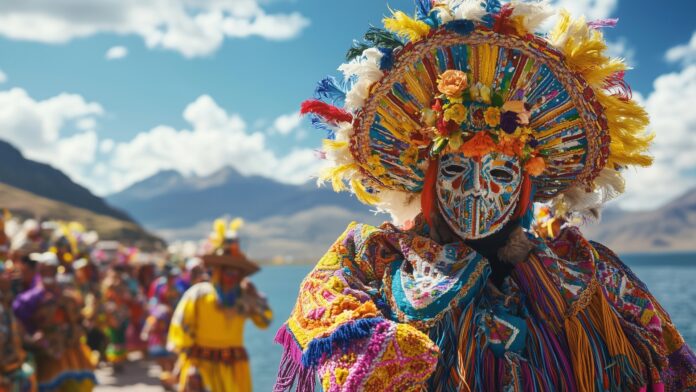
Every February, the shores of Lake Titicaca come alive with one of Peru’s most vibrant and joyful celebrations—the Feast of the Virgin of Candelaria. This extraordinary festival combines colonial religious traditions with deeply rooted Andean customs, creating a unique cultural experience that has earned Puno the title of the folkloric capital of the Americas.
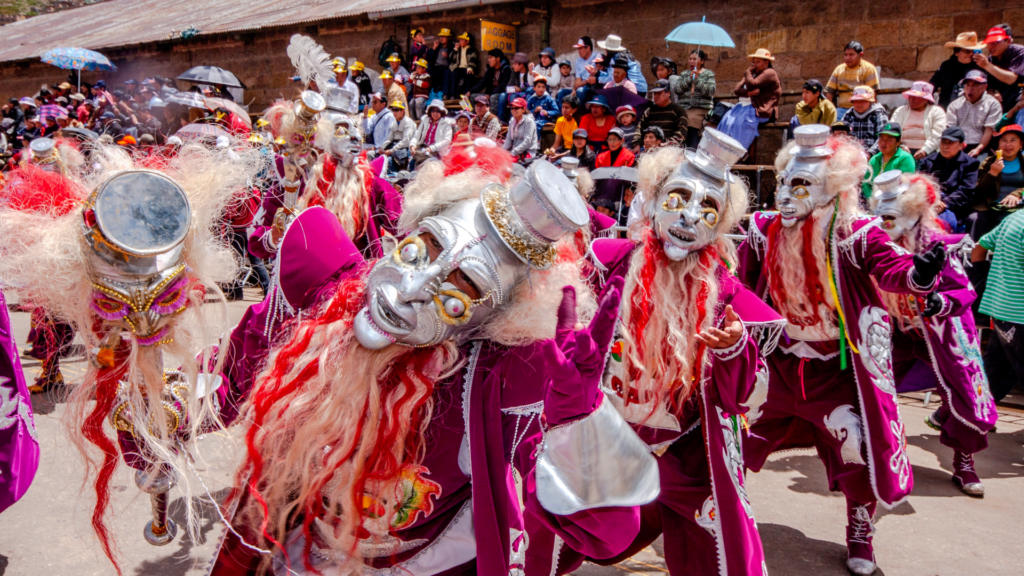
Among the many highlights of the celebration is the Diablada, a spectacular dance that embodies the rich heritage and devotion of the region. Over 40,000 dancers and 200 musical bands participate, showcasing elaborate costumes and an infectious energy that keeps them dancing for two weeks straight.
A Fusion of Tradition and Devotion
The Feast of the Virgin of Candelaria is a celebration deeply embedded in Catholic tradition and the Andean worldview. The event pays homage to the Virgin Mary through religious and cultural events reflecting the region’s history and identity. At the heart of the festival is the Diablada, a dance that originated as a representation of the ongoing battle between good and evil. With vibrant costumes featuring devilish masks and colorful attire, the dancers bring to life this ancient narrative, blending it with music and movement to express their faith and cultural pride.
Highlights of the Festival
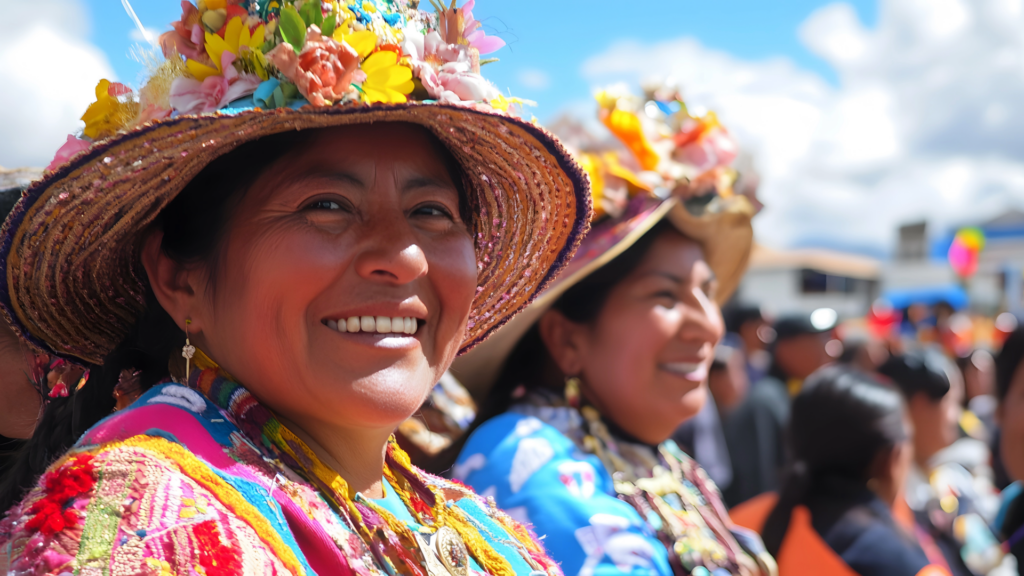
The festivities begin with a solemn Mass at dawn, followed by a traditional purification ceremony that honors the Virgin of Candelaria. The following day, the Virgin’s image is carried through the streets in a grand procession, accompanied by thousands of dancers and musicians who fill the air with traditional Andean music. The entire city of Puno becomes a stage for cultural expression, where communities from both rural and urban areas come together to celebrate their shared heritage.
One of the most anticipated events is the competition between around 170 dance groups, with more than 40,000 participants. These groups represent various communities, primarily from the Quechua and Aymara ethnicities, showcasing their unique regional styles and interpretations of the dance. With elaborate costumes, intricate footwork, and stunning choreographies, the dancers bring life to a performance that embodies devotion, community spirit, and cultural preservation.
Cultural Preservation and Community Involvement
The Feast of the Virgin of Candelaria is more than just a religious celebration; it is a testament to preserving and promoting Andean culture. Three regional federations play a crucial role in organizing the festivities, ensuring the transmission of traditional knowledge through workshops for mask-making, music, and dance. These initiatives ensure that the younger generations inherit these invaluable cultural practices, maintaining the authenticity of the festival for future years.
Travel Tips for the Feast:
- Plan Ahead: It is recommended to book your ticket and accommodation in advance to ensure a smooth experience.
- Prepare for Altitude: Puno is over 3,800 meters above sea level, so acclimatization is essential.
- Try Local Cuisine: Don’t miss the opportunity to sample local dishes like chupe de quinoa and the famous trout, whether fried or cebiche.
- Essential Items: Bring a camera, travel backpack, and cash.
- Altitude: 3,825 meters above sea level.
- Weather: Min. 37.4°F / Max. 57.2°F
The Feast of the Virgin of Candelaria in Puno is a celebration of faith, culture, and community that showcases the rich heritage of the Andean people. Through music, dance, and vibrant traditions, this festival not only honors the Virgin but also reinforces the identity and unity of the region. A visit to Puno during this time offers a once-in-a-lifetime experience of Peru’s living cultural heritage.

