
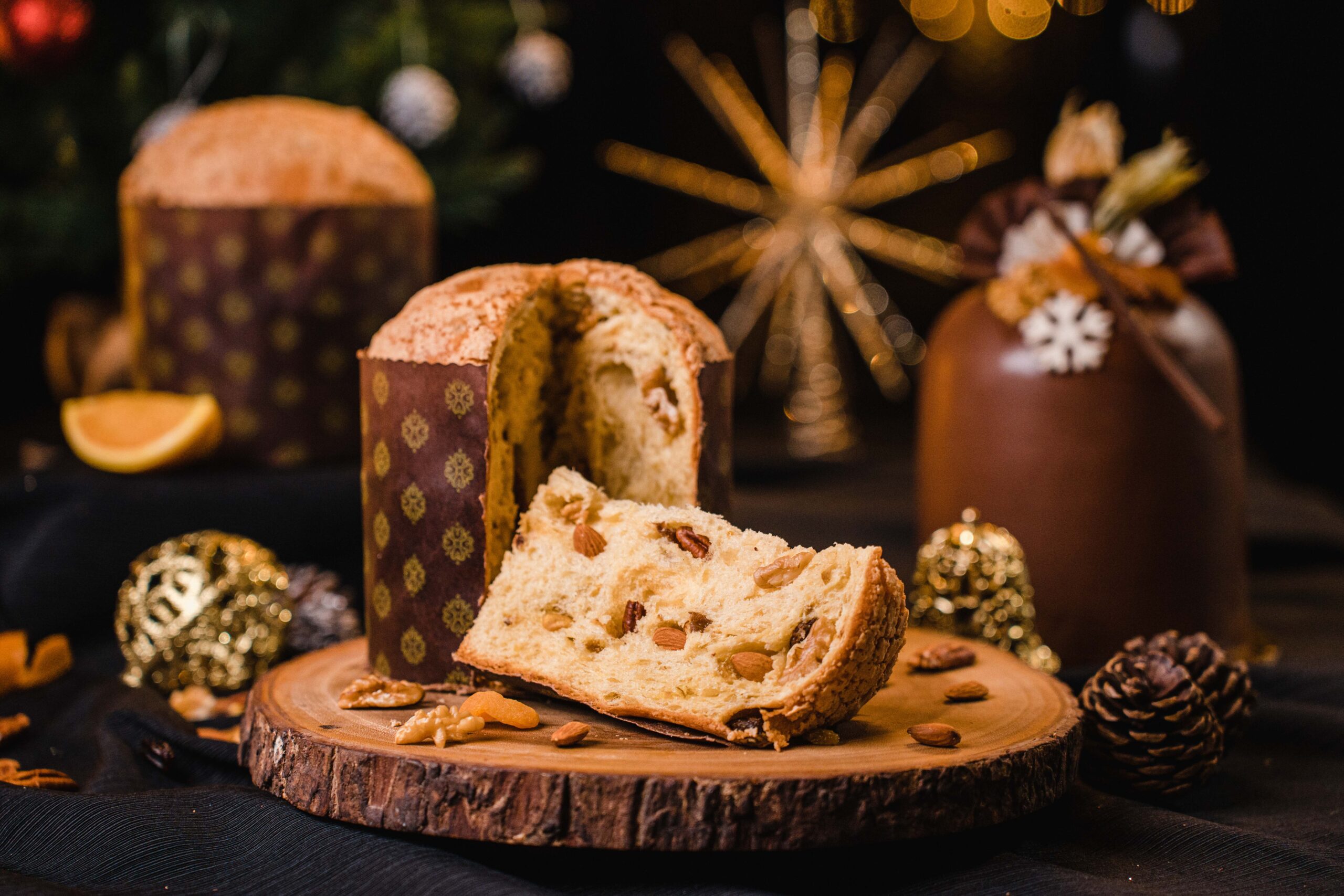
The Christmas season wouldn’t be the same without panettone, at least not in Peru.” How did Peruvians become so dependent on its dough, raisins, and fruits? We embarked on the arduous task of finding out.
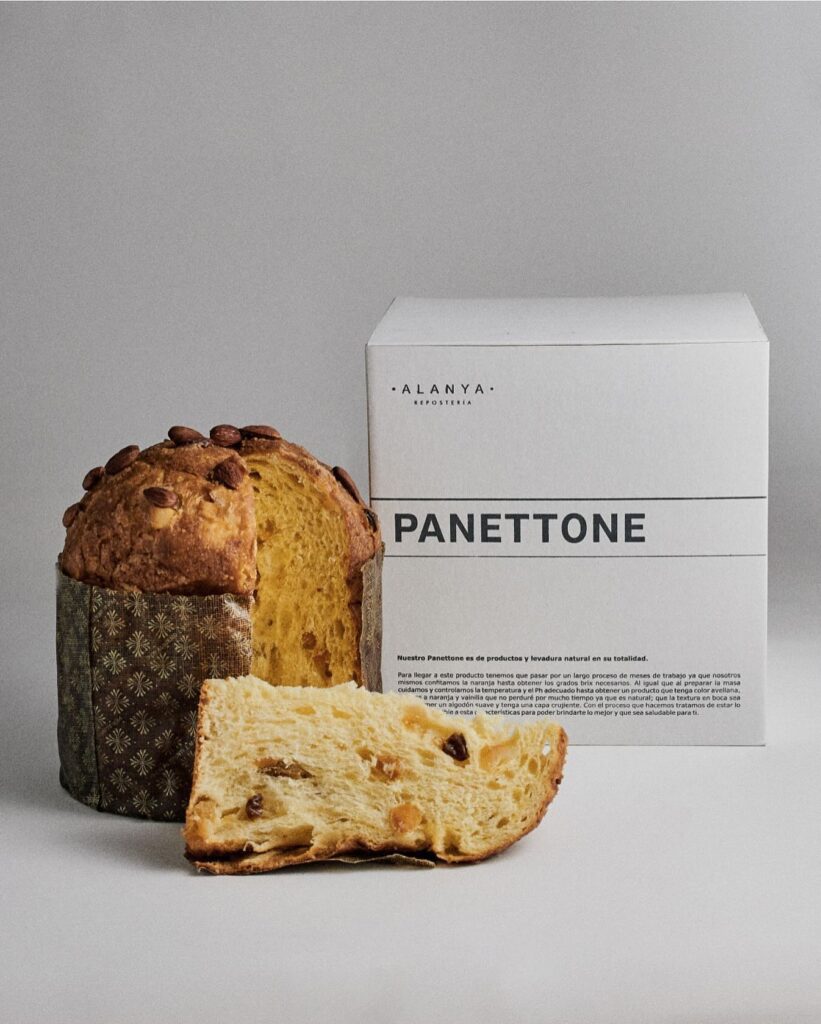
The Love of Peruvians for Panettone story blends Italian influences with local adaptations. The arrival of Italian immigrants, mainly Genoese, in Peru brought the original recipe for panettone. However, this initial version needed better received and adapted to local tastes, becoming the bell-shaped sweet bread we know today.
The 1950s marked a milestone in popularizing panettone in Peru, thanks to entrepreneurs like Angelo Motta and Gino Alemagna, who promoted industrialization. This facilitated its widespread adoption in small businesses of that time.
Peruvian panettone has its characteristics: it is slightly taller than some traditional panettones, often excludes orange, and uses candied fruits, mainly made with papaya and the part of the watermelon between the peel and the pulp, along with black raisins instead of golden ones.
The adaptation to local ingredients and industrial impetus changed the product, influenced by Limean Genoese’s preferences and by the industrial model established then, led by the Motta brand.
Panettone became a profoundly rooted element in the country’s Christmas celebrations. Its aroma, taste, and association with nostalgia and childhood happiness make it a beloved and recurring element in the festivities.
The collaboration between the D’Onofrio family and the Alemagna company since the 1950s meant the production of panettone and marked the beginning of a tradition ingrained in different generations, becoming an icon of Peruvian Christmas festivities.
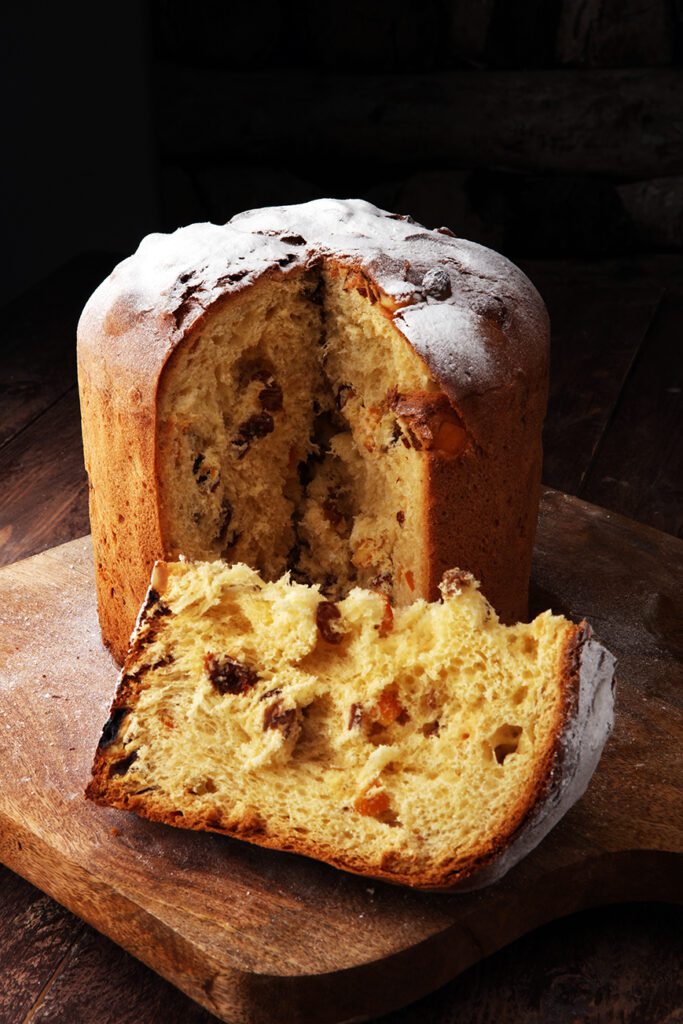
Panettone is not just a dessert; it symbolizes tradition, nostalgia, and happy moments for Peruvians, a connection with the history of Italian migration and its adaptation in South American lands. What do you think about panettone’s deeply rooted relationship with Peru’s festive identity?

