
Christmas in Peru is a vibrant blend of faith, family, and unique cultural traditions. With nearly three-quarters of the population identifying as Catholic, the holiday season is deeply rooted in religious practices. However, Peruvians add their flair to Christmas festivities, making it a celebration like no other. From midnight feasts to fireworks and even fistfights, here’s how Christmas unfolds in Peru.

La Noche Buena: A Holy Night with a Feast
While many countries celebrate Christmas on December 25, Peruvians, like most Latin Americans, begin their festivities on December 24, known as La Noche Buena or “The Holy Night.” For some families, the celebrations kick off with a Misa de gallo (midnight Mass), where families gather to honor their faith. Once Mass concludes, the party truly begins—families return home to enjoy a hearty meal, exchange gifts, and celebrate into the early hours of Christmas Day.
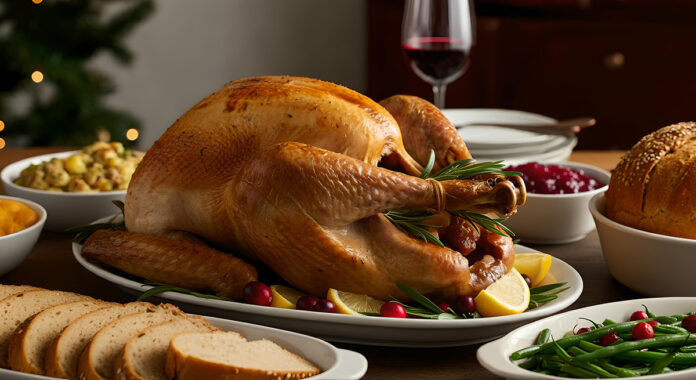
If not religious, the party starts early with a dinner that brings families and friends together; the main dish varies by region—roast turkey or suckling pig in Lima, fish in coastal areas, and wild chicken in the Andes. These plates are accompanied by sides like tamales, potato, and sweet potato pureé, apple sauce, several rice preparations such as “Arroz arabe,” sauteed sweet and savory rice with pasta, or olive rice made with black olives to make it purple, also potato salad, Panetón, and “chocolatada”, the local take on hot chocolate with evaporated milk, drinks often include Pisco, wine, and sweet sparkling wine.
The Nativity Scene
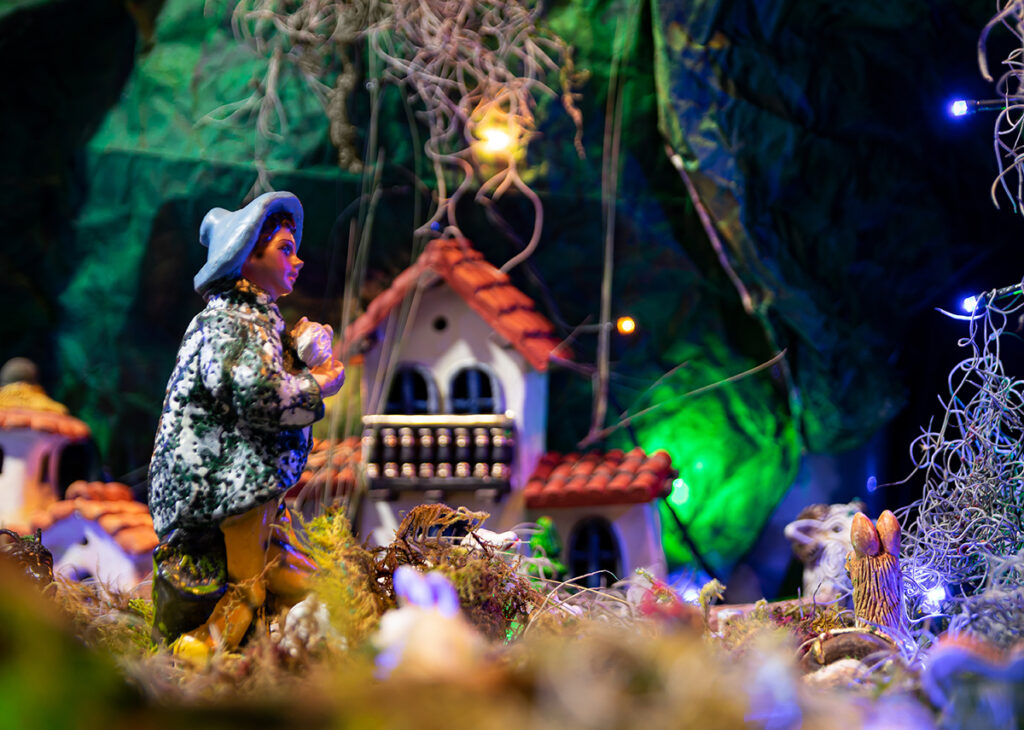
In Peru, nativity scenes are a special part of the Christmas season. Set up in early December and adorned with lights and figurines, these displays sometimes replace Christmas trees as the centerpiece of holiday decorations, as in recent years, both coexist in the same space.
It’s customary that at midnight on the holy night, the youngest family member places the baby Jesus in the manger, marking the official start of Christmas Day. Some Peruvian nativity scenes even feature alpacas or llamas instead of traditional cattle, adding a local touch.
A Sky Full of Fireworks
No Peruvian Christmas is complete without fireworks. When the nativity scene is complete, families head outside to witness colorful displays lighting the night sky. From bustling cities to remote villages, the fireworks tradition ensures that Christmas Eve goes out with a literal bang.
After the excitement of the Holy Night, Christmas Day in Peru is a time for relaxation. Families sleep in, enjoy leftovers, and continue bonding in a more subdued atmosphere. All day, the city stops with fewer options for eating out.
IN THE KNOW: For recommendations on Christmas day, check our social media stories, where we will show you open places for breakfast, lunch, or dinner.
Takanakuy: Fighting in the Spirit of Festivity
For some Peruvians in the Andes, December 25 means more than just relaxation. It’s the day of Takanakuy, a festival that combines music, dancing, costumes, and public fistfights. These one-on-one bouts allow participants to settle disputes, release negative energy, and start the new year on a clean slate. The matches are brief and civil and always conclude with a handshake or hug, reflecting the festival’s unique blend of tradition and reconciliation.

