
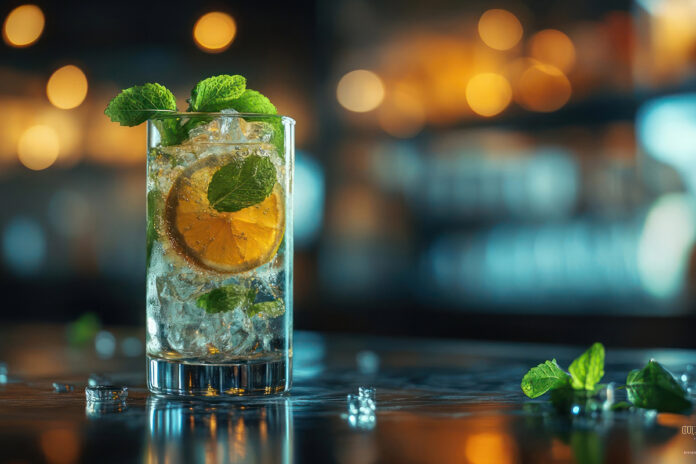
In the heart of the Andes, a new wave of distillers is redefining gin, blending time-honored traditions with the region’s rich botanical diversity.
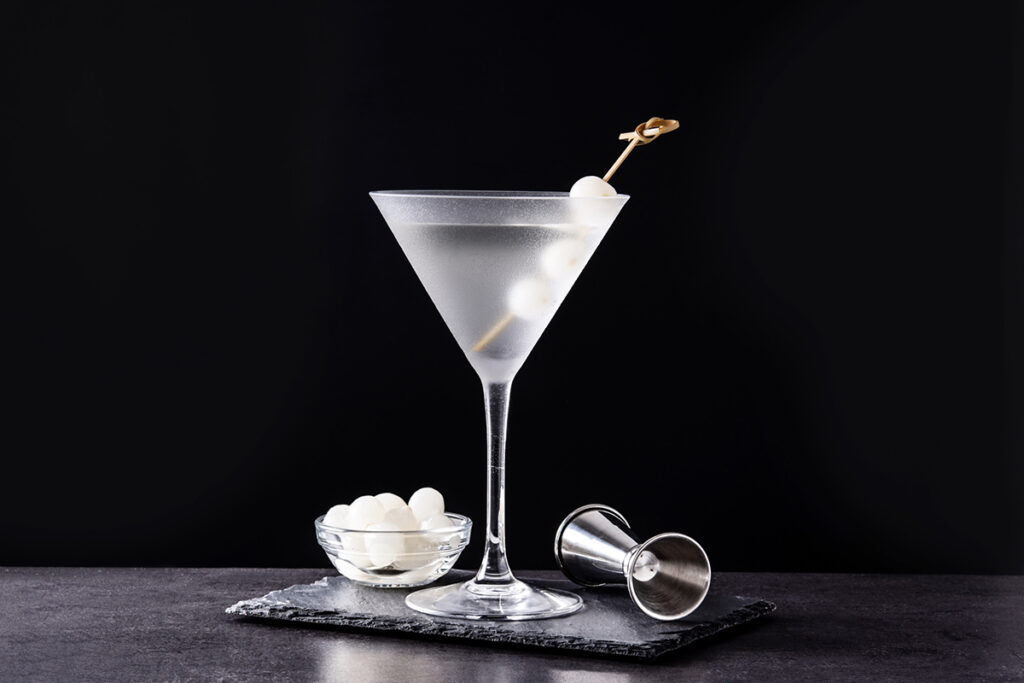
Andean gins are emerging as a unique expression of the highlands, where native ingredients infuse each bottle with the essence of the mountains. As craft distilleries push the boundaries of flavor and technique, these spirits are gaining international recognition, offering a fresh perspective on what gin can be.
What Is Gin?
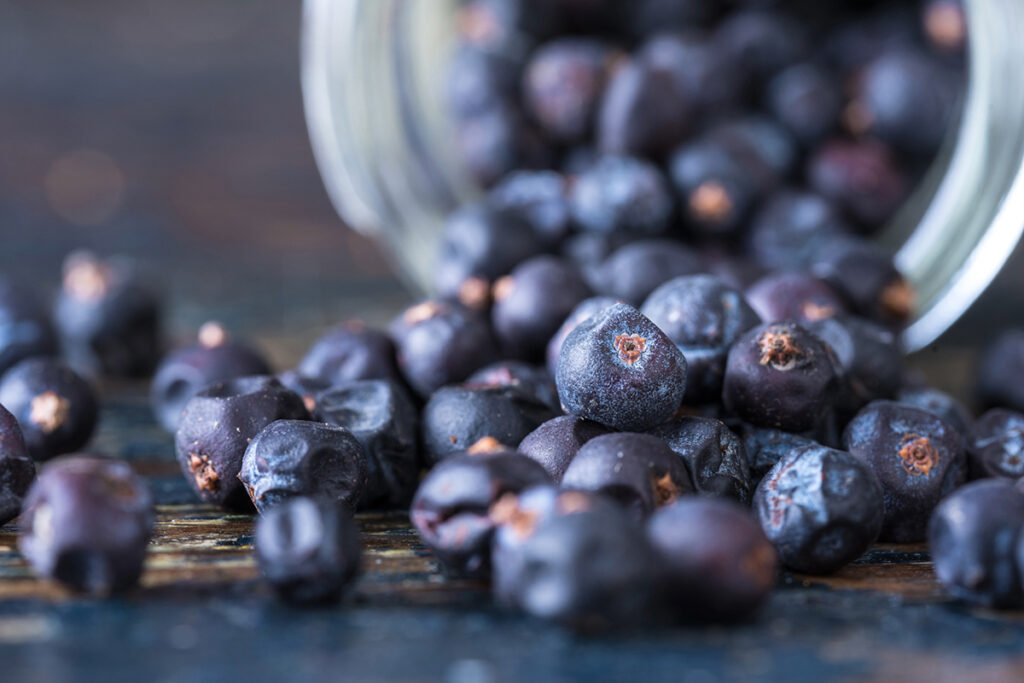
At its core, gin is a spirit defined by its bold juniper flavor, but its versatility allows for endless interpretations. Made from a neutral alcohol base and infused with botanicals, gin’s character comes from a careful balance of herbs, spices, and citrus, with juniper always leading the way.
While London Dry remains the most recognized style, contemporary distillers—especially in the Andes—are experimenting with local ingredients to create gins that reflect their unique terroir.
The Unique Peruvian Gins
Andean Gin by Don Michael
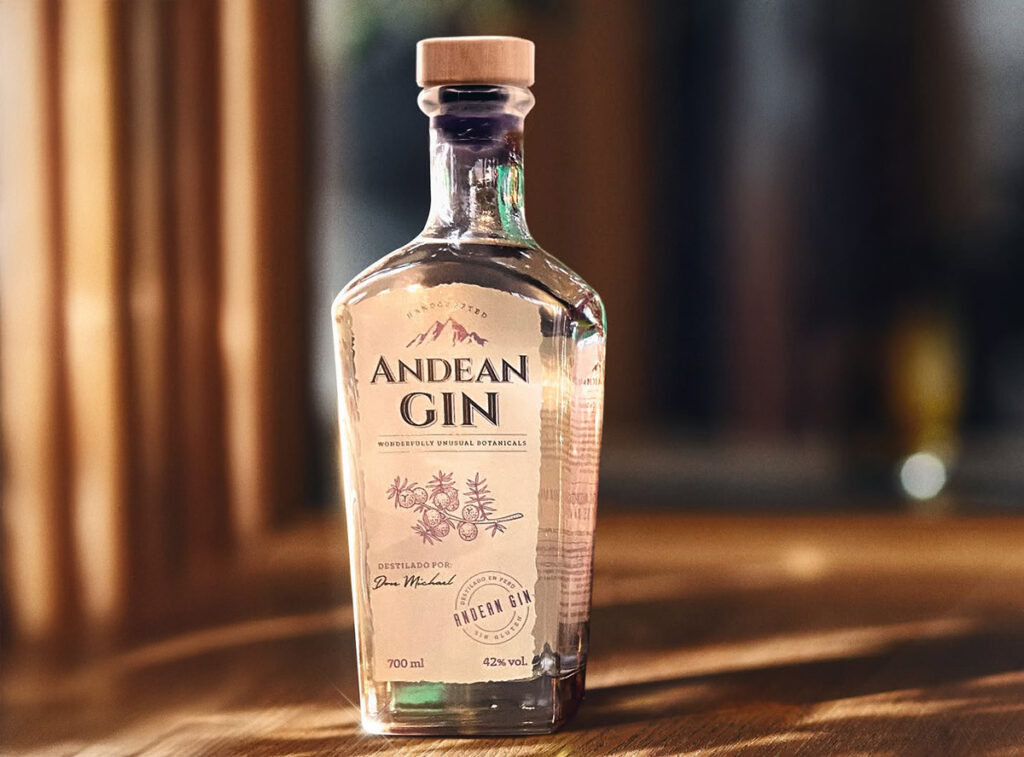
Don Michael Distillery, known for crafting world-class Black Whiskey, continues pushing boundaries with its Andean Gin line, offering distinct expressions celebrating Peru’s rich biodiversity.
Andean Gin Classic, created by master blender Daiana Milon and chef Ricardo Wilson, is a smooth, high-quality gin that combines rosemary, black mint (muña), and huacatay for herbal freshness, balanced with Amazonian vanilla and grapefruit notes for a refined, citrusy finish. Meanwhile, Andean Gin Blueberry introduces a vibrant twist, featuring Peruvian blueberries, dehydrated pineapples from Chanchamayo, and exotic vanilla from Tarapoto, along with butterfly pea flower, which creates a mesmerizing color-changing effect when mixed with citrus.
Both gins showcase the artistry of Peruvian distillation, delivering unique flavors that redefine the gin experience.
Intira Gin
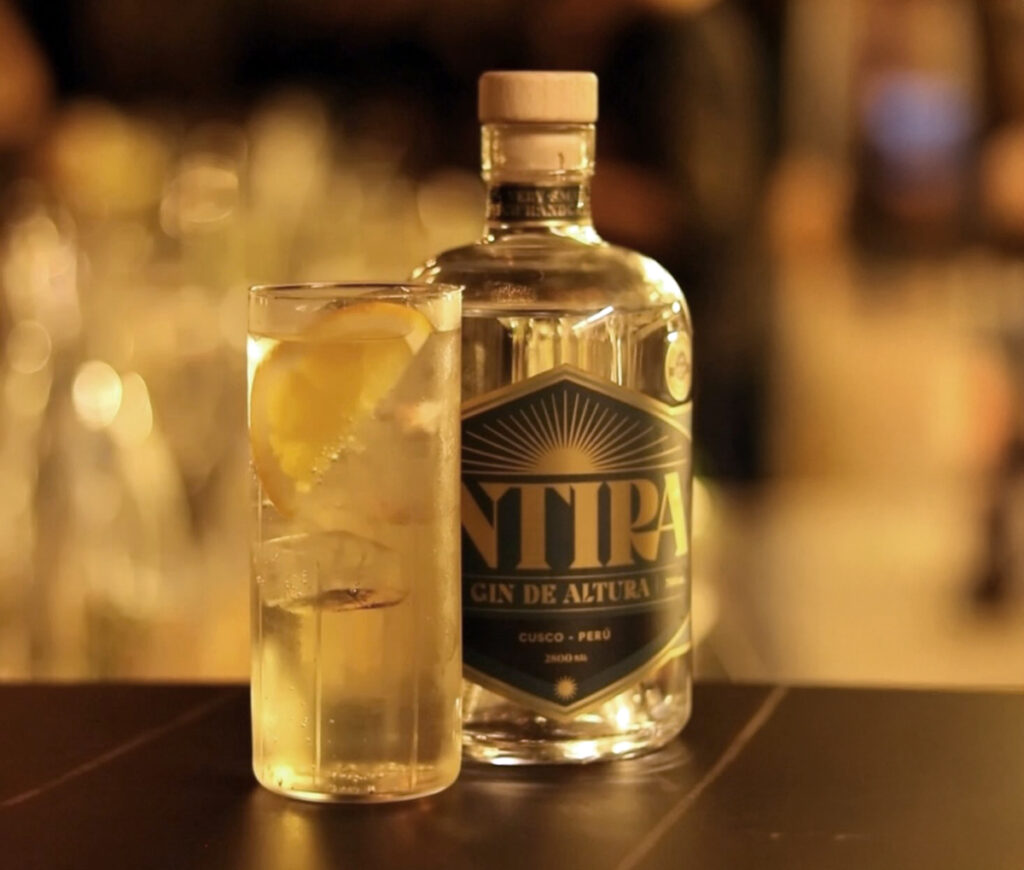
Intira is a premium Peruvian gin distilled at 2,800 meters above sea level in the Sacred Valley, capturing the essence of Cusco in every bottle. Crafted as a tribute to the Sun and the Inti Raymi festival, this gin celebrates the powerful solar energy that nurtures the botanicals used in its production.
“That strong Sun that constantly burns our skin in the highlands is crucial for producing the botanicals we use. Their concentration and aromatic qualities exist thanks to that Sun,” explains Lorenzo Zanchin, Intira’s master distiller. The gin incorporates 24 botanicals native to the transitional zone between Cusco and the Peruvian jungle, thriving in the unique climate where cold highland air meets the jungle’s warmth and humidity. It features citrus fruits from the La Convención Valley in Quillabamba, including orange, Russian lemon, grapefruit, and green tangerine, alongside black mint flowers, cedrón, lemongrass, verbena, and traditional Cusqueñan herbs. The only imported ingredient is Tuscan juniper, which doesn’t grow in this hemisphere, while the water comes from the melting Apu Verónica glacier, further enhancing its distinct character.
London to Lima Gin
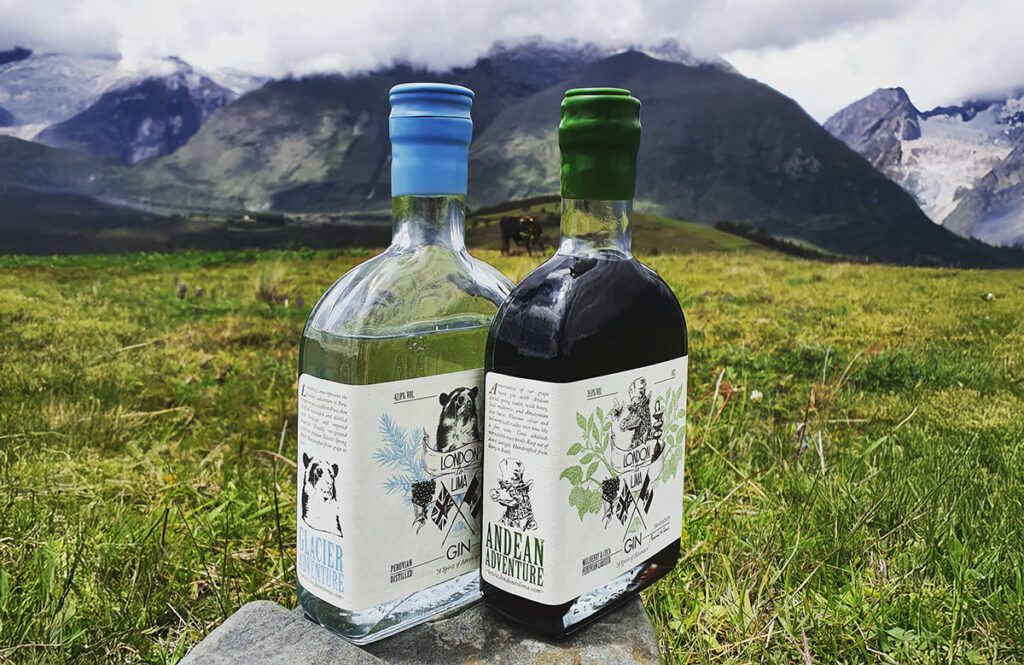
London to Lima Gin is a one-of-a-kind Peruvian gin that bridges two worlds, using Pisco as its base spirit instead of the traditional grain or neutral alcohol. This grape-based spirit provides a unique mouthfeel and an elegant stage for its carefully selected botanicals to shine. While juniper remains at its core, the gin features an array of Peruvian botanicals, including coriander, lime, Valencia orange, aguaymanto (cape gooseberry), and pink peppercorn, all grown near the distillery.
London to Lima is blended with glacier water sourced from the Andes at 4,000 meters above sea level to elevate its purity, capturing the essence of Peru’s pristine landscapes.
The bottle design tells its own story, featuring the Union Jack and Peruvian flag, symbolizing the connection between these two nations. The Spectacled Bear, native to the Andes and known for a diet that includes gin botanicals, adorns the label alongside Endeavour, the distillery’s copper pot still. Sustainability is also a key element, with bottles crafted from recycled glass in the style of a hip flask. A hidden detail inside the label reveals an expedition map of the Cordillera Blanca from 1932, a nod to the adventurous spirit that inspired the search for the gin’s perfect water source.
London to Lima Gin is not just a spirit—it’s a journey, a tribute to Peru’s rich biodiversity and the artistry of distillation.

