
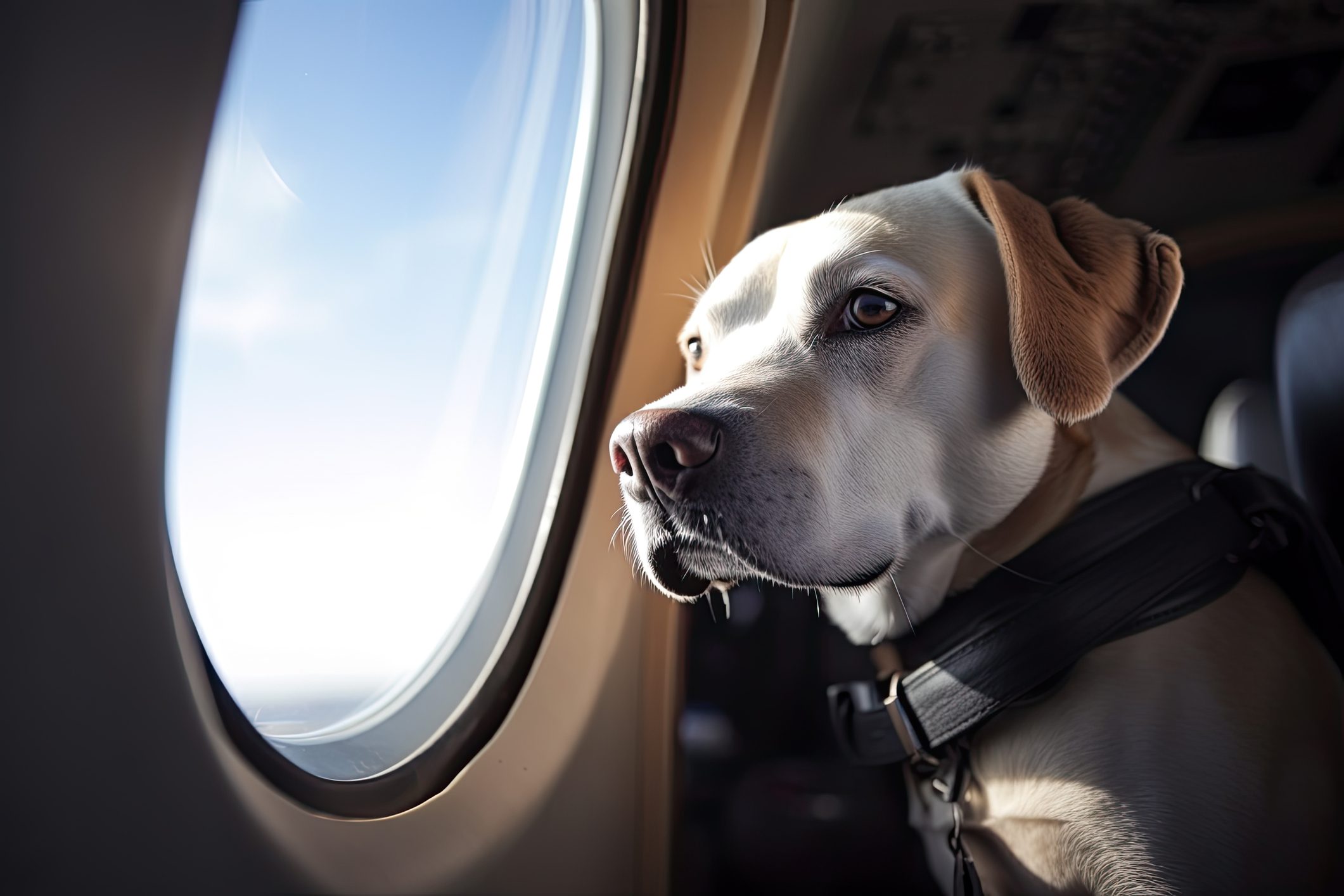
Embarking on a journey to Peru with your furry friend can be a rewarding experience, but it requires meticulous planning to ensure a smooth and stress-free adventure for you and your pet. With its diverse landscapes and rich cultural heritage, Peru welcomes pets, but there are specific regulations and steps to follow for a successful trip.
What is considered a Pet:
A pet is a privately owned companion animal not intended for research or resale and includes the following animal groups only: Dogs, Cats, Ferrets, Rabbits, Rodents, Hedgehogs, Reptiles, Amphibians and Birds.
Multiple pet bird travel agencies, including USDA APHIS and the U.S. Fish and Wildlife Service (FWS), may be involved in pet bird travel. Your pet bird must meet all applicable requirements before travel. Depending on the type of bird you have, APHIS regulations may vary. Due to the possibility of carrying or transmitting certain diseases to the U.S. poultry industry, some pet birds are regulated as poultry and must meet different requirements.
Birds regulated as poultry include chickens, doves, ducks, geese, grouse, guinea fowl, partridges, peafowl, pheasants, pigeons, quail, swans, and turkeys.
If your pet bird is listed above, it does NOT qualify for travel as a pet bird. You must meet specific import or export requirements for poultry. Visit the APHIS Import and Export website for live animals to learn more.
Microchip Identification:
Before considering travel plans, ensure your pet has a microchip with a 15-digit ISO 11784/11785 compliant identification number. This microchip should be registered with your current contact information.
Vaccinations and Health Certificate:
Research and understand the required vaccinations for pets entering Peru. Most commonly, dogs and cats must be vaccinated against rabies at least 21 days before travel. Obtain a health certificate from your veterinarian within ten days of departure, confirming your pet’s good health and lack of contagious diseases.
The requirements for traveling with your pet are described in the health certificate. If submission will be via the Veterinary Export Health Certificate System (VEHCS), you may navigate directly to VEHCS without downloading this PDF.
Tapeworm Treatment:
Depending on your departure location, your pet may need treatment for tapeworms. This treatment is typically administered 24 to 120 hours before entering Peru.
Travel Crate:
Invest in an International Air Transport Association (IATA) approved pet travel crate. The crate should be well-ventilated, secure, and comfortable for your pet, meeting your airline’s and Peru’s requirements.
Airline Regulations:
Contact your chosen airline well in advance to inquire about their specific regulations for pet travel. Each airline has different requirements, including the type of carrier, size restrictions, and additional documentation.
Here are some different a common airlines: Latam, Delta, American Airlines,
Fees:
There are also fees involved with traveling with your pet to Peru. Of course, the above vet examinations and certifications have costs involved. In addition, airlines will have their extra fees as well.
When you arrive at Peru’s Lima Airport, you will be directed to the SENASA Office. Here you will have to pay a small fee for a pet certificate, which you should keep in a safe, accessible place throughout your time in Peru. There is also a small Peruvian customs fee.
Arrival in Peru:
Upon arrival, be prepared to present all required documentation to customs and veterinary authorities. Cooperation and preparedness will facilitate a smoother entry process.
Quarantine:
Understand if there are any quarantine requirements for pets entering Peru. In most cases, quarantine may not be necessary if you have followed the steps.
Local Regulations:
Familiarize yourself with local regulations in Peru regarding pet ownership, leash laws, and any other guidelines. Being aware of these rules will help you navigate your surroundings more comfortably.
Emergency Contacts:
Keep a list of emergency veterinary contacts in Peru. This readily available information can be crucial in case your pet requires assistance during your stay.

Traveling with your pet to Peru can be an enriching experience, and careful preparation is key to a successful journey. Adhering to the outlined steps and staying informed about the latest regulations can ensure a safe and enjoyable adventure for you and your beloved companion.
Remember to check for any updates or regulation changes, as they may vary. Consult with your veterinarian and relevant authorities to confirm that you have met all the requirements for traveling with your pet to Peru.
Proper planning allows you to create lasting memories with your pet against the backdrop of Peru’s stunning landscapes and vibrant culture.
Cover Photo by © Pavel Shlykov | Dreamstime.com

