
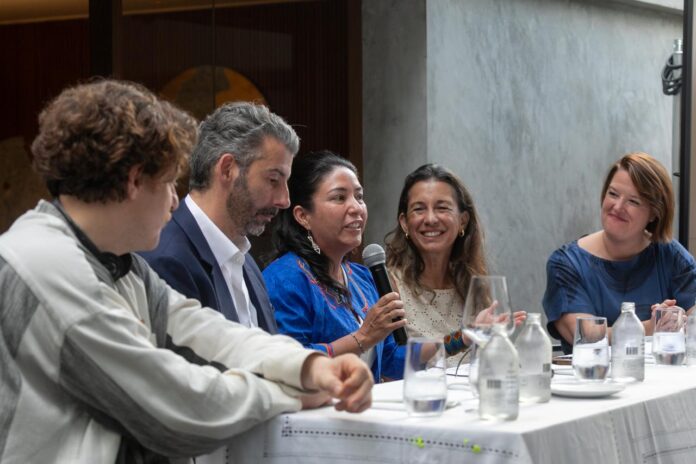
While the world’s attention was on the 50 Best Program, a quieter but no less important conversation unfolded at Limaná. There, local and international hospitality leaders gathered with The Sustainable Restaurant Association and A2G to explore a question that goes beyond recipes and menus: how can responsible businesses truly connect their daily practices with the people who bring them to life?
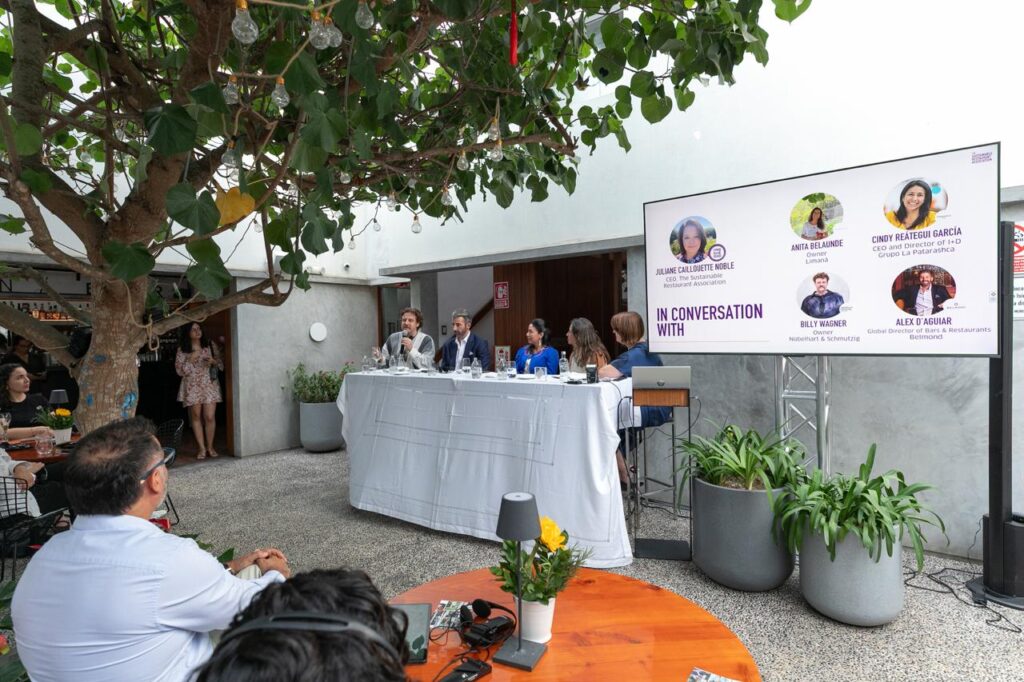
Too often, sustainability in hospitality is reduced to sourcing and waste—questions of where ingredients come from and what happens to leftovers. But at Limaná in Lima, chef Cindy Reátegui reminded everyone that the heart of any restaurant or tourism project is its people. The cooks, servers, farmers, and guides are the ones who turn good intentions into daily reality.
Reátegui spoke plainly: a business may have a vision, but it only comes alive when the team feels part of it. True sustainability, she suggested, is measured not just by policies but by whether people feel valued and supported in their work. When staff feel they belong, they help create the kind of welcoming, thoughtful service that visitors remember long after a meal ends.
She also drew a line from responsible hospitality to the livelihoods of Amazonian communities. By developing bionegocios—small, sustainable businesses—with local partners and connecting them to gastronomic tourism, there is a chance to share the region’s honey, jams, fruits, and cacao with visitors. These aren’t just products; they are invitations to step into the rhythms of the land and learn how ingredients are grown, harvested, and transformed.
This kind of relationship gives local products a real place in the visitor’s journey and opens new doors for communities to benefit from tourism. Imagine tasting honey straight from the source, learning the story of cacao from those who grow it, or rolling a truffle with your own hands. These moments connect travelers not just to flavors, but to the people and landscapes that shape them.
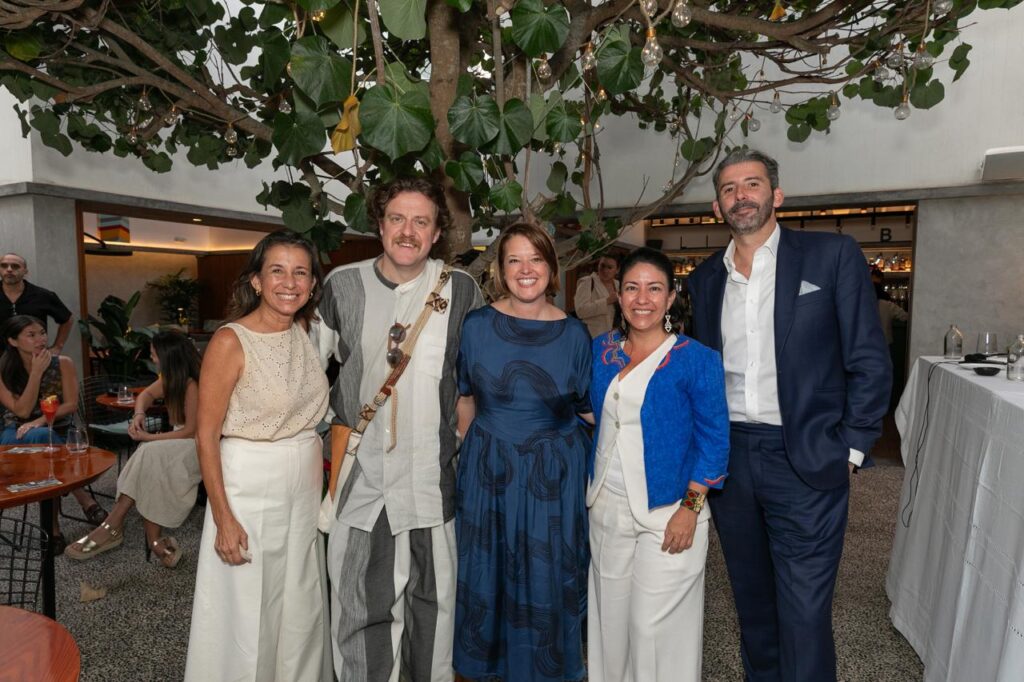
The Sustainable Restaurant Association, Limaná, and A2G organized the conversation. It opened with remarks from Juliane Caillouette Noble, CEO of The Sustainable Restaurant Association, and included a panel with Anita Belaunde, owner of Limaná, and other local and international hospitality leaders.
Limaná’s own Food Made Good certification gave the discussion a local point of reference. The restaurant holds the standard’s highest distinction, three stars. The certification asseThe event also introduced the Food Made Good Standard, a practical tool for restaurants and hotels to reflect on their impact and find real ways to improve. It offers a path for businesses to look honestly at their practices and take meaningful steps toward more responsible hospitality. Its value lies in giving businesses a way to examine their practices and find concrete steps toward more responsible operations.
Taken together, the conversation pointed to a broader vision of sustainable hospitality, one that is woven into daily choices, the atmosphere of the workplace, and the bonds a business builds with its community. For those shaping Peru’s food and tourism scene, it is a reminder to look beyond what is served on the plate and ask: who is included, who benefits, and how can we help everyone involved to flourish?

