

Before he was British, he was Peruvian. Before he ever stepped foot on the platform at Paddington Station, before the marmalade sandwiches and the blue duffle coat, Paddington Bear was a young cub from “darkest Peru.”
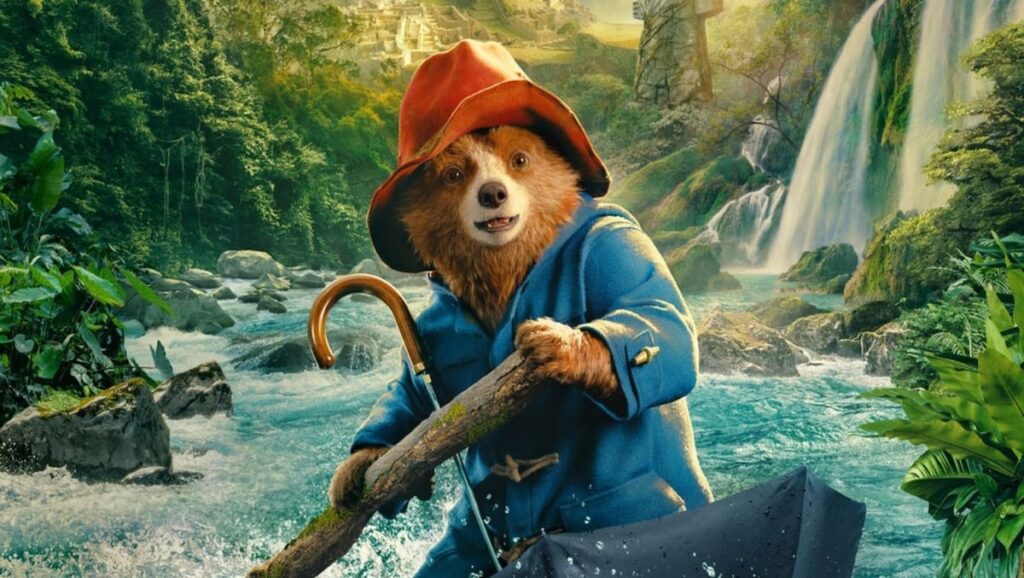
Though he’s become one of the most iconic characters in British children’s literature, Paddington’s story begins in the mountains and rainforests of Peru, a country rich in culture, biodiversity, and storytelling traditions. It’s where he was raised by his Aunt Lucy, who taught him everything from impeccable manners to fluent English—and, most importantly, how to look after others with kindness and curiosity.
A Peruvian Past
According to the original tales by author Michael Bond, Paddington was orphaned as a cub after an earthquake and raised in Lima by Aunt Lucy. When she moved into the Home for Retired Bears in Peru’s capital, she bravely and lovingly decided to send Paddington to England to start a new life.
After a stowaway journey across the ocean, with nothing but a suitcase, his beloved bush hat (a hand-me-down from his Peruvian uncle), and a label reading, “Please look after this bear. Thank you,” Paddington arrived in London—and into the hearts of millions.
Many fans don’t realize that the name “Paddington” was given to him by the Browns, the family who found him at the train station. In Peru, he was known as Pastuso—a name inspired by his Uncle Pastuzo and a nod to his roots, later brought to life in the Paddington films.
Marmalade and More: A Cultural Bridge
One of Paddington’s quirks—his obsession with marmalade—might seem quintessentially British, but citrus fruits (and preserves!) are just as much a part of Peruvian food culture. Peru is home to a wide variety of oranges, limes, and other fruits grown in diverse climates—from the Amazon to the high Andes. In many ways, Paddington’s sweet tooth is a charming bridge between two worlds.
Peruvians Embrace Paddington
In recent years, Peru has embraced Paddington as one of its own. In 2017, a statue of Paddington was unveiled in Lima’s Parque Salazar, overlooking the Pacific Ocean. It stands not just as a symbol of children’s literature but also as a tribute to migration, kindness, and the enduring power of home—wherever that may be.
Even Peru’s Ministry of Foreign Affairs has recognized Paddington’s contribution to global perceptions of the country. With his polite manner, open heart, and occasional “hard stare,” Paddington represents values that resonate deeply in Peruvian culture: family, hospitality, and resilience.
Giving Back with a Bear’s Big Heart
Paddington’s commitment to doing good isn’t just fiction. Over the years, he has become a mascot for various charitable efforts around the world, from UNICEF to Action Medical Research and even child homelessness initiatives in the U.S. In Sweden, he works with SOS Children’s Villages—proof that Paddington continues to make the world a little brighter wherever he goes.
From Lima to London, With Love
Paddington may live at 32 Windsor Gardens now, but his story is forever tied to the land of llamas, ancient ruins, and vibrant culture. As he tucks a marmalade sandwich under his hat for “emergencies” or writes postcards back to Aunt Lucy at the Home for Retired Bears, he reminds us all that home is not just a place—it’s the people and values we carry with us.
So next time you watch Paddington share tea with Mr. Gruber or navigate one of Mr. Curry’s schemes, remember: this polite little bear with a suitcase full of dreams comes from Peru—a place as magical, heartwarming, and enduring as Paddington himself.

IN THE KNOW: You can watch Paddington in Peru Online in different streaming services, check here for details.

