
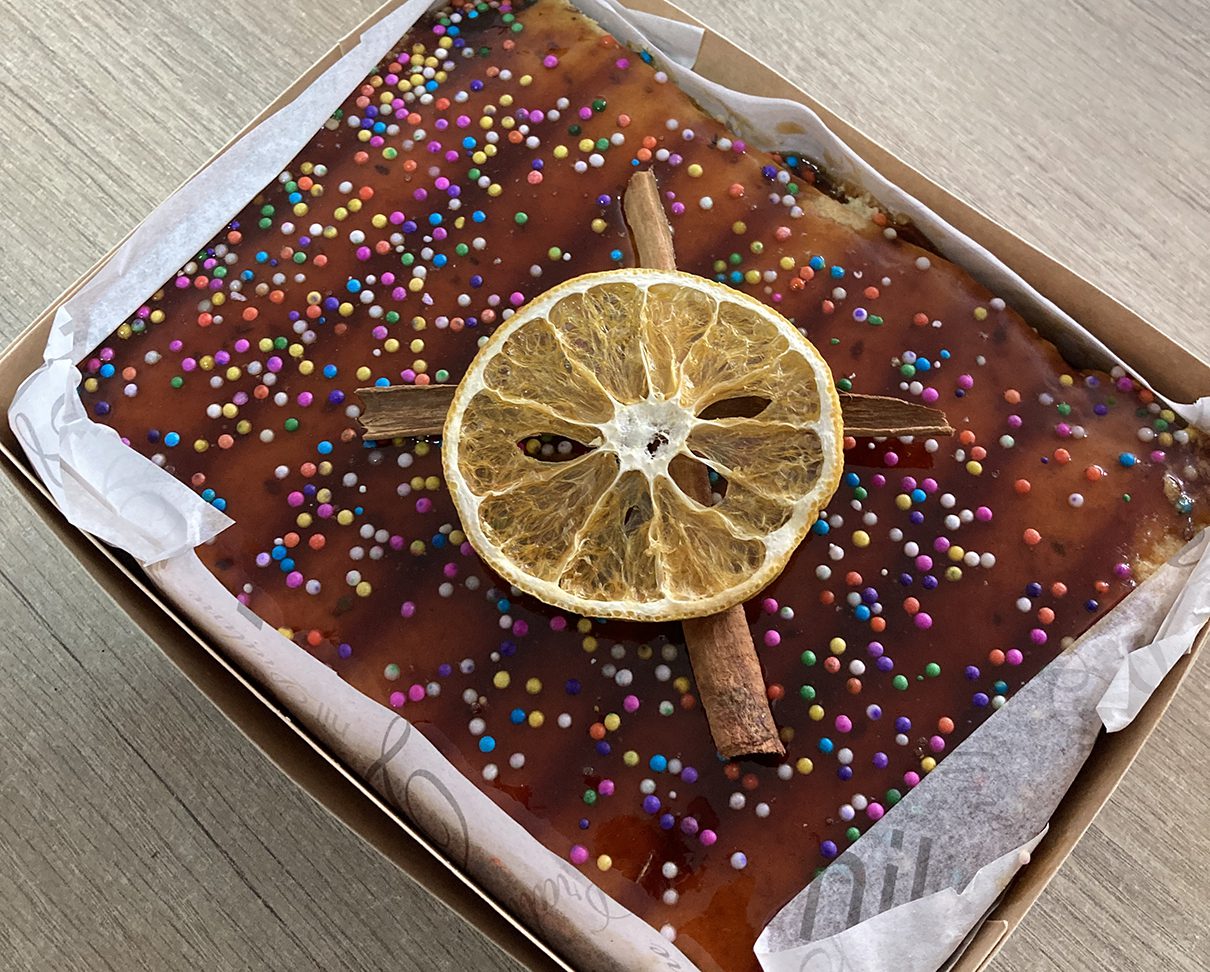
Turrón de Doña Pepa, with its colorful appearance and sweet, sticky delight, holds a special place in the hearts of many Peruvians. But what’s the story behind this iconic Peruvian treat, and why is it so closely associated with October and the Lord of Miracles (Señor de los Milagros)?
Lima, and much of Peru, in October, takes on a distinctive aura. The streets are awash in purple, the air scented with incense, and the taste of turrón becomes synonymous with the season. Until recently, the origins of this pastry, as well as the identity of its creator, were shrouded in mystery.
Officially known as Turrón de Doña Pepa, it is also known by other names, such as “turrón de miel” or “turrón de Señor de los Milagros,” according to many historians.
So, What Is It?
This delightful confection is a Peruvian adaptation of the traditional Spanish nougat or alba nougat, which started as part of the Arabic culture that was part of Spain from 711 to 1492, typically made from almonds, pine nuts, hazelnuts, or walnuts blended with honey and sugar.
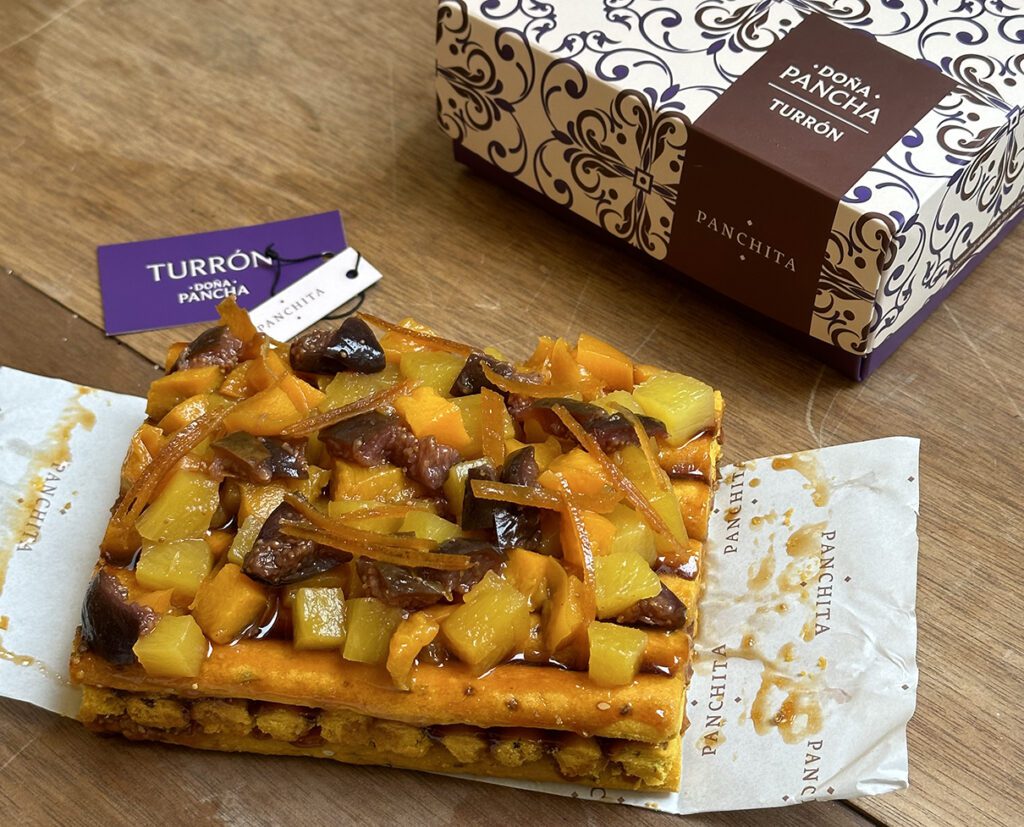
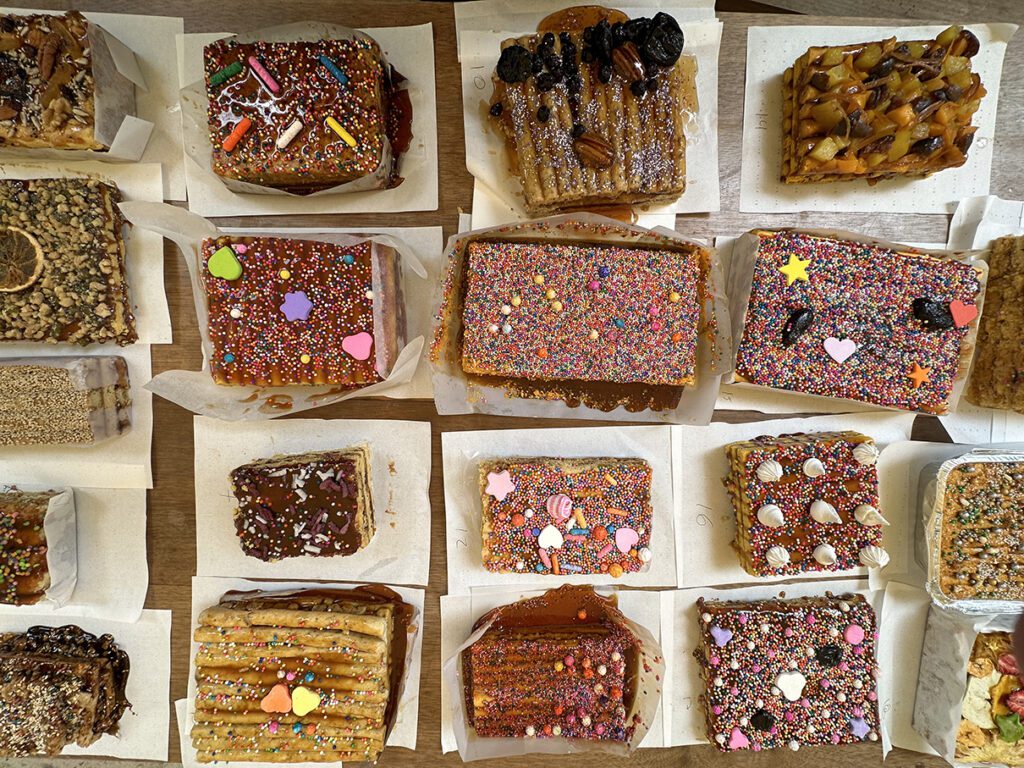
What sets Peruvian turrón apart is the floury base is crafted from a mixture of butter, sugar, sesame, and anise, built as cylinders. These layers are covered in raw sugarcane syrup infused with fruit flavors and sometimes fig leaves. Once assembled, the turrón is adorned with multicolored sprinkles and candies, creating a truly unique and delightful treat, as described by Aida Tam Fox in her book, “Vocabulario de la Cocina Limeña“.
The Story
The name “Doña Pepa” only became associated with this confection in the 20th century, likely for commercial reasons and as a form of recognition.
The most famous story revolves around Josefa (Pepa) Marmanillo, an 18th-century enslaved person with a remarkable talent for culinary arts. She suffered from arm paralysis and embarked on a pilgrimage to her hometown, Cañete, where she had heard tales of Christ Pachacamilla’s miraculous deeds. Her unwavering faith led to her recovery, and in gratitude, she created the colorful sweet, offering it to pilgrims on their way to the Lord of Miracles. This is how the confection earned its name, Turrón de Doña Pepa.
IN THE KNOW: Every year the team from gastronomic website El Trinche embarks on a dedicated tasting of many of the turrones in the market, check for their (in Spanish) recommendations.
Todays Turrón Landscape
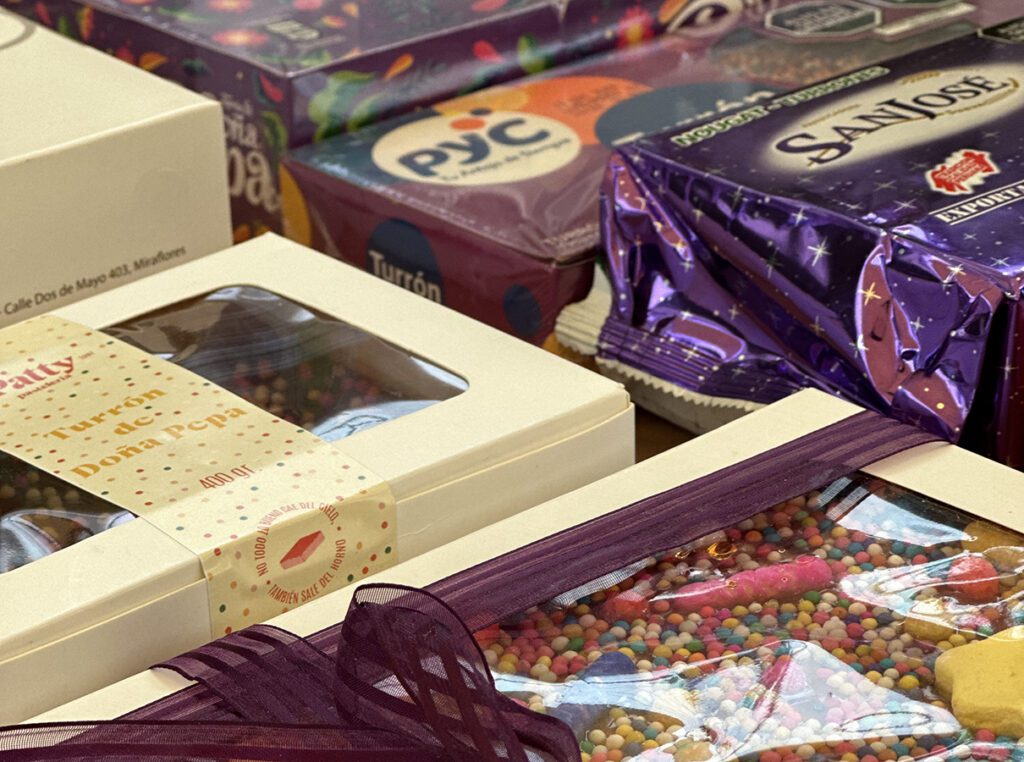
In the modern day, Turrón de Doña Pepa is not confined to October; it is produced and sold year-round on the streets of Lima. Many vendors offer free samples, especially along Tacna Ave. near the Church of the Nazarene.

