
Whether you lead a plant-based diet or are just looking to eat less meat, here are five reasons Peru is vegan friendly and the restaurants that prove it.
More and more people are beginning to follow a vegetarian or vegan diet today and even more people are deciding to incorporate more plant-based meals into their diets. No matter where you are on this spectrum of eating less meat and more foods from plants, you may be wondering if Peru is vegan friendly. From a wide variety of fresh produce and plant-based protein options, not to mention the evolving culinary scene, Peru is becoming a go-to destination for vegan and vegetarian travelers.
Here are 5 reasons Peru is vegan friendly:
There is no place better to experiment with eating more vegetarian or vegan meals or lifestyle than in Peru, largely for the following reasons.
1. Local markets
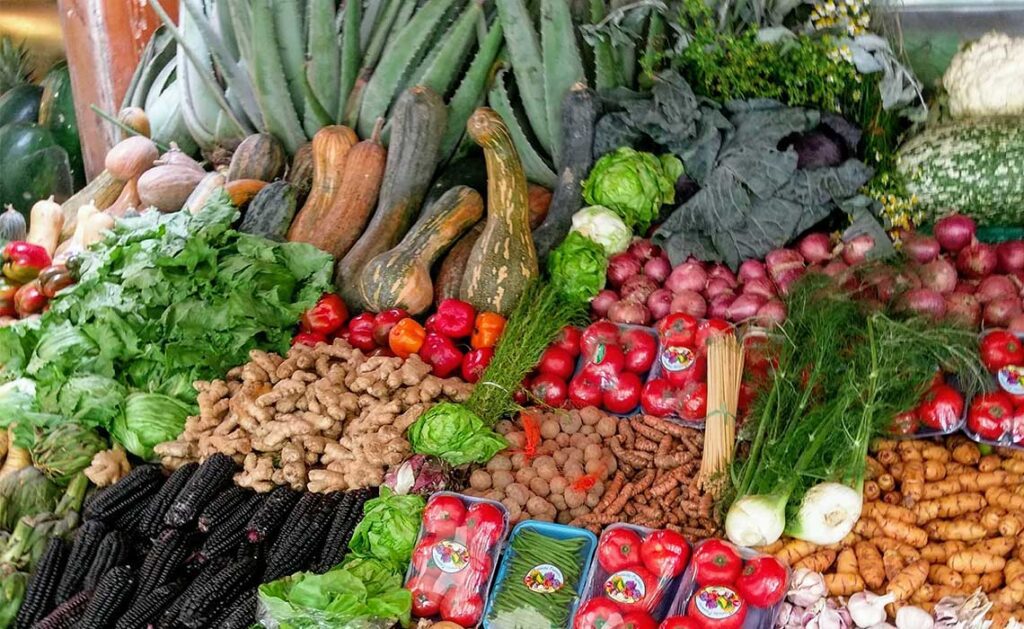
Visiting local markets on a regular basis is great inspiration and one of the best ways to experience a culture. Walking through the market and seeing all the fresh vegetables, fruits and even dried goods is inspiring, making you think of all the delicious possibilities you can create from the available beans, grains, fruits and vegetables. The variety is astounding.
In addition, the local markets and bioferias give you the opportunity to meet locals who are selling the products and to learn more about different fruits and vegetables available, including what’s in season and when to buy.
2. New ingredients to cook and sample
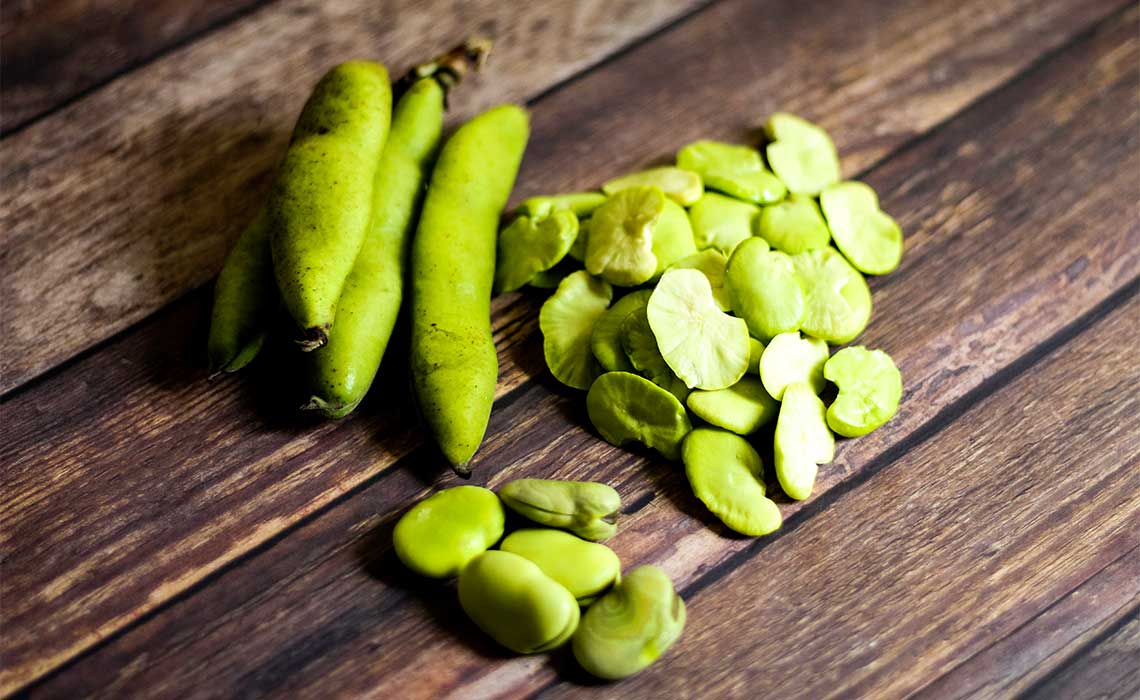
When visiting or living in a new country, there are always new ingredients to try, and visiting Peru is no different. Favorite everyday ingredients such as habas verde (fava beans), yellow squash (more often than not referred to as pumpkin in Peru), varieties of ajis, camote (sweet potato), potatoes and fresh peas are available virtually year around here. Many of these ingredients appear in classic Peruvian dishes, such as those found in in Solterito Arequipeño (habas verdes, aji and rocoto).
There are also grains such as trigo (a form of wheat similar to wheat berries) and a variety of legumes, such as canary beans, pallares and tarwi. And while some of these may be available outside of Peru they likely aren’t utilized as commonly in other places as they are here.
3. Availability of fresh fruit
The fruit in Peru is unbelievable. Even fruits that are accessible back home in the United States, such as mangoes or pineapple, don’t taste as good as they do here. Likely it’s because many of the fruits in Peru are grown locally rather than transported long distances as they are done in the U.S., making them fresher and tastier when consumed closer to harvest.
Also, there are tons of fruits unavailable in widespread amounts in other countries: pitaya (dragon fruit), granadilla, maracuya (passion fruit), different varieties of bananas, tuna (prickly pear or cactus fruit) to name a few.
Some of the fruits such as carambola (starfruit) and camu camu are actually better juiced and consumed as a drink rather than eaten. Peruvians love juicing fruits and creating amazing flavor combinations which you can sample in many markets and jugerias. Or pick up your own fruit combination in the market and make your own.
4. Superfood status of many native ingredients
Many of the foods that originated or are cultivated here in Peru (thanks to the climate) have tremendous nutritional value. And while these ingredients may be available elsewhere beyond the so-called culinary destination of the world, they are often more accessible and less expensive in Peru.
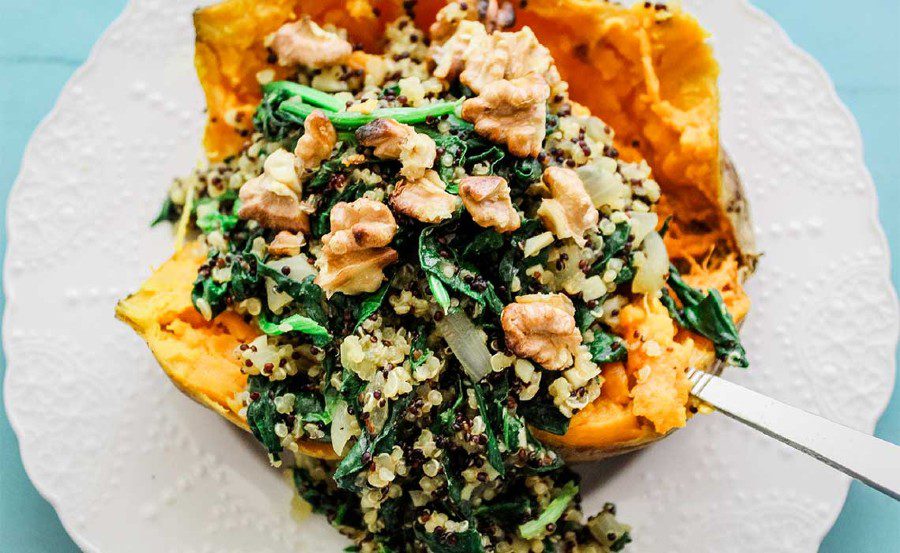
- Quinoa is grown in the Andes here in Peru and Bolivia, and in the local markets you can find quinoa in all colors including black, red, white and yellow. Just be sure to rinse your quinoa bought in the markets really well to remove the saponins which can cause a bitter flavor and even stomach discomfort for some. Quinoa is a great plant-based protein that you can combine with vegetables and beans in salads, sautéed dishes and even soups.
- Lucuma, a popular fruit used primarily in desserts and can be used as an alternative sweetener for those concerned about blood sugar. The fruit’s flavors range from maple, butterscotch and even a bit of sweet potato. It’s main benefit is that it has a very low glycemic index and doesn’t cause as high a spike in blood sugar when it’s eaten as actual sugar. Using lucuma in smoothies and parfaits is a great way to reduce your sugar while not sacrificing sweetness. One of the most delicious ways to experience lucuma is in ice cream or lucuma mousse. It also makes a great snack when used to make a Lucuma Chia Pudding.
- Camu camu is a great source of vitamin C, a powerful antioxidant, strengthens the immune system and promotes healthy skin. It’s tart flavor makes it difficult to eat raw but is a great addition to beverages, juices and smoothies, like this Beet, berry, banana and camu camu smoothie.

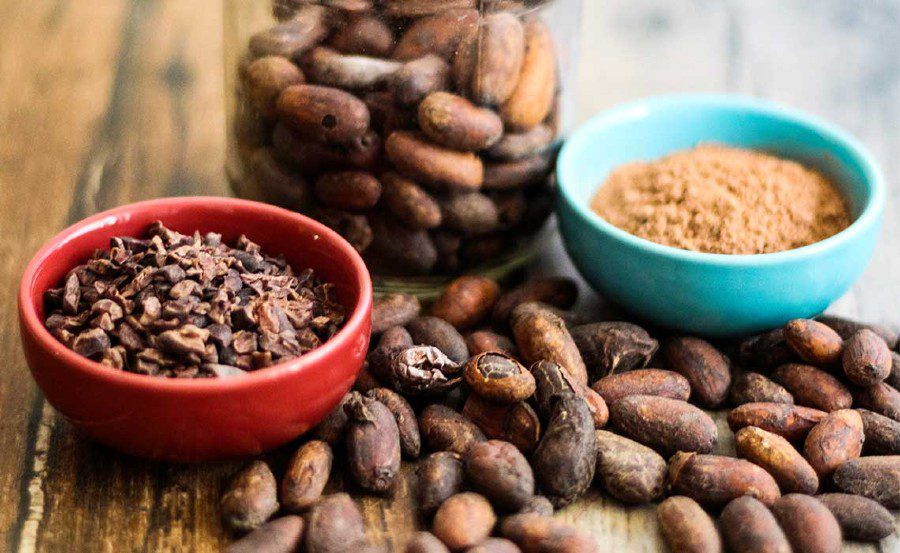
- Cacao is grown in various regions around Peru and each area produces cacao with different flavors. Cacao is rich in vitamins and minerals, acts as an antioxidant and may improve brain function. The best way to learn more about Peru and chocolate is through a visit to El Cacaotal in Barranco (128a Jirón Colina). There you can purchase chocolate bars from the various regions in Peru as well as take seminars in English or Spanish to learn more about how cacao is produced and what impacts the flavors in the different regions of Peru.
- Tarwi is a legume that is grown in the Andes and has more nutrition in it than any other bean. It is high in protein, fiber, healthy fats and is also a powerful antioxidant. It is a plant-based source of protein that you can add to salads, soups and more.
5. Plant-based innovation in Peruvian cuisine
Historically, meat has been front and center in much of Peruvian cuisine. However, as more people (including Peruvians, expats and foreigners) are embracing a vegetarian or vegan lifestyle, more meatless options are appearing in the market. It may be more challenging in more remote areas and towns with smaller populations, but restaurants in Lima specializing in this cuisine are readily available.
If you lead a plant-based lifestyle and are wondering if Peru is vegan friendly, consider eating at one of these restaurants to calm your concern.
Here’s where to eat:
A great option if you are wanting to try some vegan Peruvian food. The menu includes vegan Peruvian favorites such as ceviche, causa and papa a la huancaina.
Address/Phone: Calle Schell 630, Miraflores Lima, Perú / (01) 719 4174
This small restaurant in Miraflores is run by Chef Santiago Santolalla, who also runs the Plant Based Institute, where you can take vegan cooking classes usually taught in Spanish. The menu includes some of my favorite native ingredients such as tarwi and quinoa and offers authentic vegan Peruvian favorites.
Address/Phone: Calle Grimaldo del Solar 168, Miraflores, Lima, Perú / (01) 747 1827
This chain of cafés is a great place for breakfast, light lunch, snack and even dessert. They have multiple locations around Lima including Miraflores, Santiago de Surco and La Molina.
Address/Phone: Calle Independencia 596, Miraflores Lima Peru/ +51 694 2421; Calle Mariano Odicio 432,Miraflores Lima Peru / 2417696; Calle Los Sauces 511, La Molina, Lima Peru / 3652318; Av. Primavera 1821, Monterrico Surco, Lima Peru / 3447987; Av. Mariscal La Mar 1034, Miraflores, Lima Peru / +5117327636
Peru is a great destination for vegetarians, vegans or anyone who is interested in experimenting with eating less meat. The options for new and exciting ingredients do not disappoint and I am sure you will discover new flavors and foods along the way.
All photos courtesy of Lyn Croyle/CookEatLiveLove

