

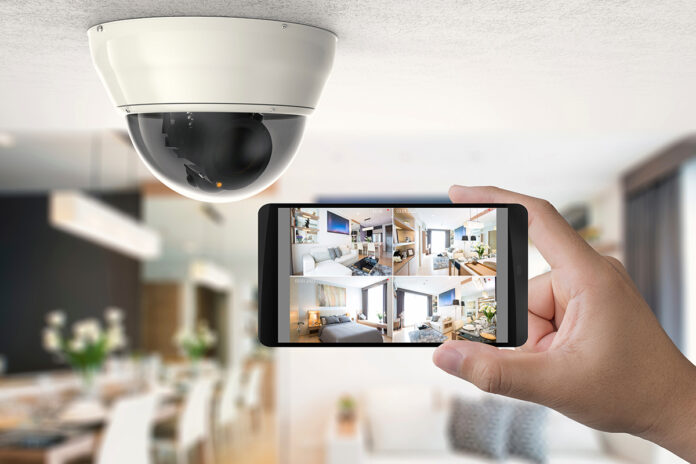
As the world is more interconnected, privacy has become a precious commodity. Aware of this need, platforms like Airbnb have implemented new, strict regulations regarding using security cameras and recording devices in their properties.
What Do the New Rules Mean?
- Ban on Cameras Inside the Property. Hosts cannot install security cameras or recording devices anywhere inside the property, including bedrooms, bathrooms, living areas, hallways, or service areas. This ban also applies to hidden cameras, which have always been strictly prohibited.
- Limited Exceptions. In some specific cases, such as licensed hotel accommodations, cameras can only monitor the entrance. However, guests must be informed of their presence, and these cameras cannot record audio or focus on other parts of the property.
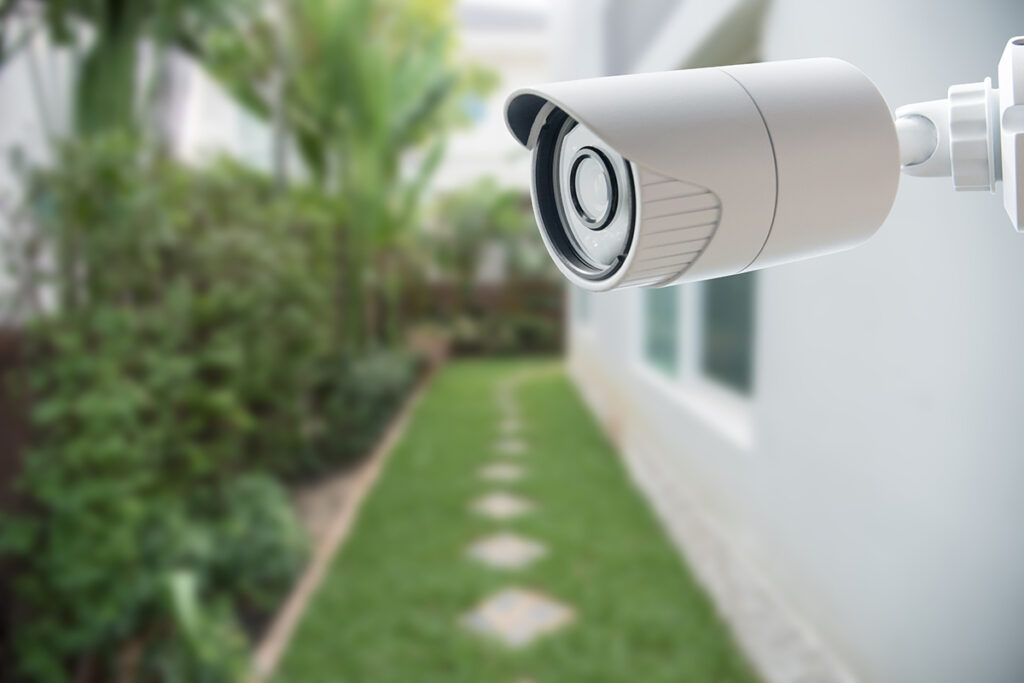
- Outdoor Cameras. Hosts may install security cameras outdoors if their location is disclosed in the property description. This includes cameras on patios, terraces, pool areas, or doorbell cameras monitoring the main entrance.
- Transparency and Consent. Hosts must disclose the presence of security cameras and inform guests of their location and purpose before booking the property.
- Privacy Areas. Hosts cannot place cameras in outdoor areas where guests have a higher expectation of privacy, such as outdoor showers or saunas.
Legal regulations in Peru
Decreto Legislativo No. 1218 regulates the use of surveillance cameras in Peru for public spaces, public vehicles, and commercial establishments with a capacity of fifty or more people. Its primary goal is to enhance citizen security and aid in crime prevention and investigation. The law mandates cameras in public areas such as parks, government buildings, hospitals, and other spaces under state control. However, the decree excludes private spaces governed by separate regulations, such as residential properties or privately owned businesses. The decree outlines strict rules regarding recorded footage’s integrity, preservation, and confidentiality and includes principles such as legality and reasonability to ensure compliance with data protection laws.
For an Airbnb in Peru, surveillance cameras would be subject to private property regulations rather than the guidelines in this law. The cameras must not record areas that would violate the privacy or intimacy of guests, such as bathrooms or bedrooms. While the law ensures that recordings are used only for lawful purposes, it emphasizes the importance of obtaining consent and respecting privacy. Failure to comply with these guidelines could result in significant legal sanctions if the footage is misused.
IN THE KNOW: If you must stay at an Airbnb, it’s always good to review the property description for any mention of cameras and ask the host for more information. Your privacy matters!
Why Are These Rules Important?
- Protection of Privacy. Limiting cameras indoors ensures that guests can enjoy their stay without feeling watched.
- Building Trust. Transparency about the presence of cameras helps create a trusting environment between hosts and guests.
- Legal Compliance. These rules align with data protection and privacy laws in many countries.
These rules have existed since April 30, 2024, and aim to ensure guests’ peace of mind and safety while giving hosts tools to protect their properties. Hosts should be aware that failure to comply with these rules could result in significant legal sanctions if the footage is misused.
While Airbnb’s new rules help address privacy concerns, travelers looking for the highest level of security and comfort may prefer staying at a hotel. Hotels are subject to stricter regulations regarding surveillance and privacy, ensuring guests’ peace of mind without the need to inquire about hidden cameras. Unlike Airbnb, which often involves shared or less regulated spaces, hotels offer well-defined privacy protections and amenities to enhance your overall experience. So, consider booking a reputable hotel next time you plan a trip to enjoy a worry-free and seamless stay, where your privacy is always a top priority.

