
In the heart of Yanahuara in Arequipa city La Nueva Palomino stands on top of Picanterías if you want a historical experience, one that is provided with a lot of care, love, and good treatment as well as rich and healthy food.
WHAT IS A PICANTERIA?
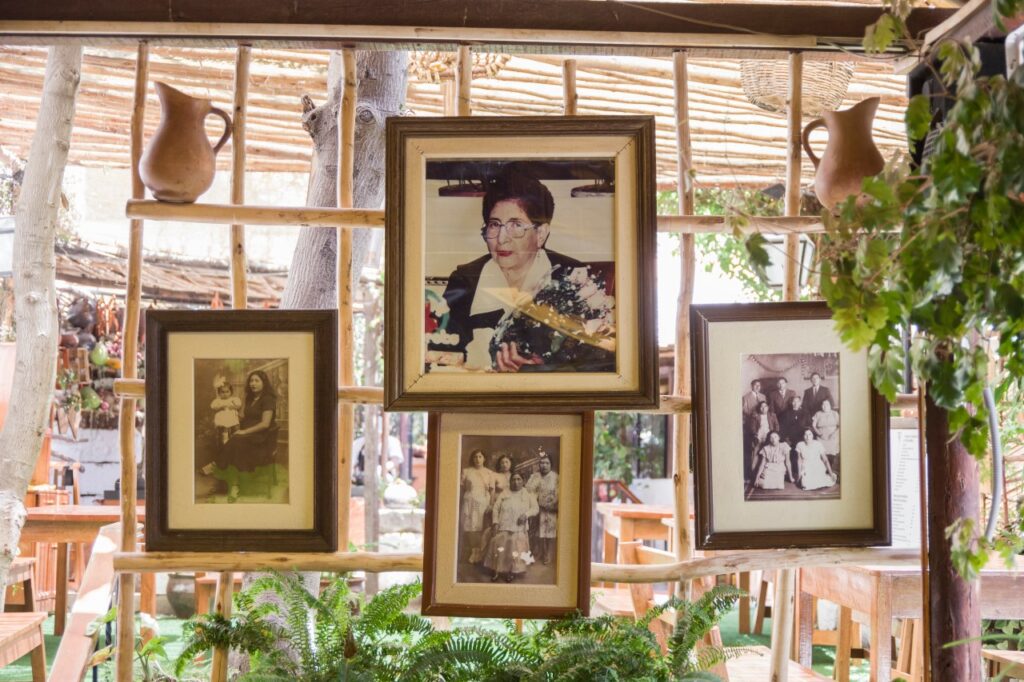
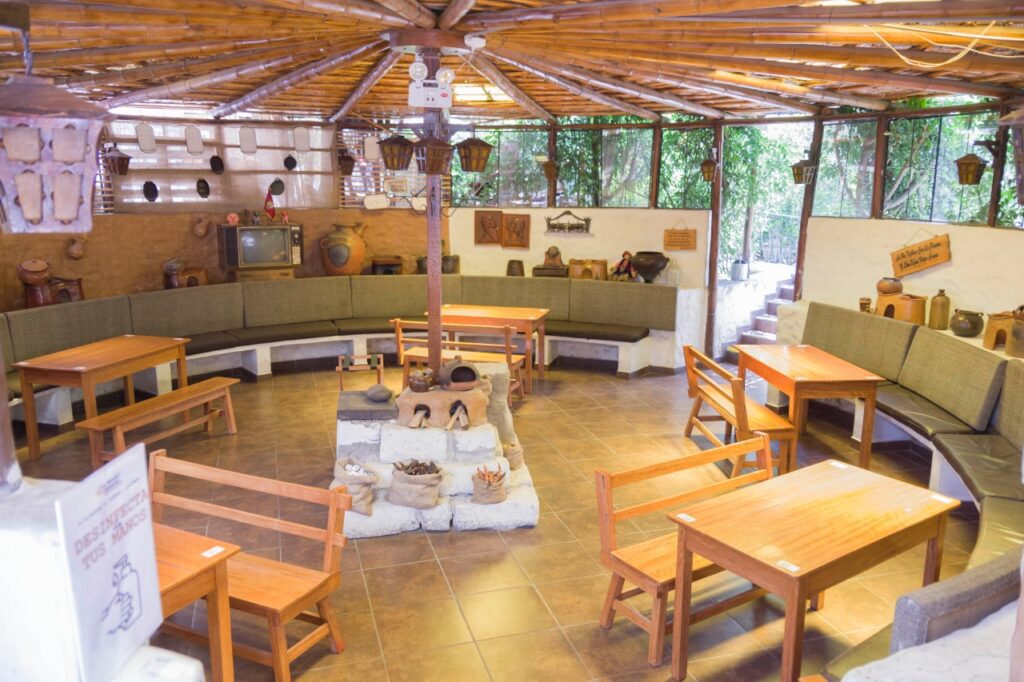
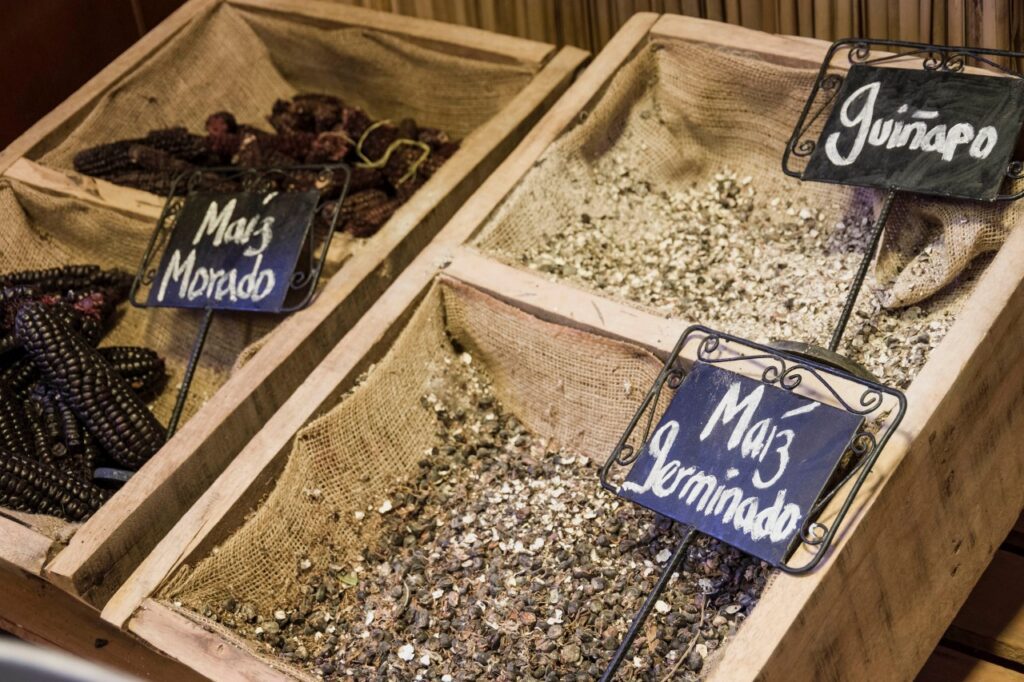
Picanterías are businesses led by females since colonial times. Picantería is the first female-owned business in Peruvian history, “The picantería comes from the chichería,” says Chef Monica Huerta Alpaca, “chicherías where the main business, making chicha de güiñapo that was the origin and the main thread, the Picante came later” .Chicha de güiñapo is a fermented beverage of malted (sprouted) purple corn that once grew is called guiñapo; that is used in several states of fermentation, plain and non-alcoholic, with a high fermentation level, and the “chichagre” an acetic fermentation stage where it turns in vinegar.
THE FOOD AT LA NUEVA PALOMINO
Picanterías are a part of the Arequipa culinary tradition: they are temples of good food. It was built with recipes improved through the centuries, indigenous-mestizo-Spanish wisdom, sophisticated convent techniques, and with key elements such as chili peppers like rocoto, shrimp and guinea pigs, potatoes and chuños, huacatay; and Arequipa’s papaya and tumbo fruit. The name comes from Picante (spicy hot) many of the plates are not spicy at all; you may think food can be greasy, smelly, or hard to digest, but that is far from reality.
The Picantería food has a tinge of sanctity, it is healing food. If you are vegetarian, vegan, gluten-free, keto, paleo, or basically a meat lover, this is the place for you and your friends with various diets.
THE FOOD
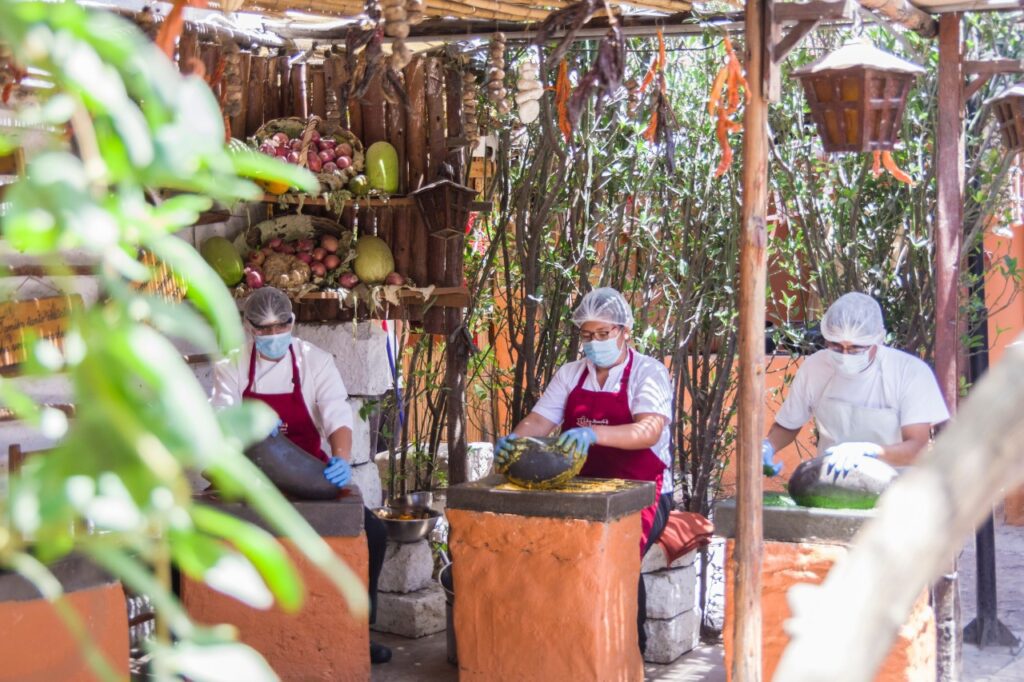
The first difference in La Nueva Palomino is the host that will locate your seats and walk you around the different halls that are part of the restaurant. If you look closely, you can see their garden and organic farm, the guinea pig pen, and the Batanes (ancient stone mortars), where all preparations are done “There are not blenders in our kitchens” said Monica while passing over the stone mortars, we got a first-hand look at the sprouted corn and clay pots where the chichas are stored “This is pure life” she said.

IN THE KNOW: La Nueva Palomino does not use a single blender, mixer, stoves, heaters, or appliances that accelerate the culinary processes. Everything is prepared by hand with a “batan” (stone mill) or firewood and fire. The urgency of the world has to stop here; it must, because it is a luxury, quite like if you are experiencing a cooking museum everything is done with ancient techniques.
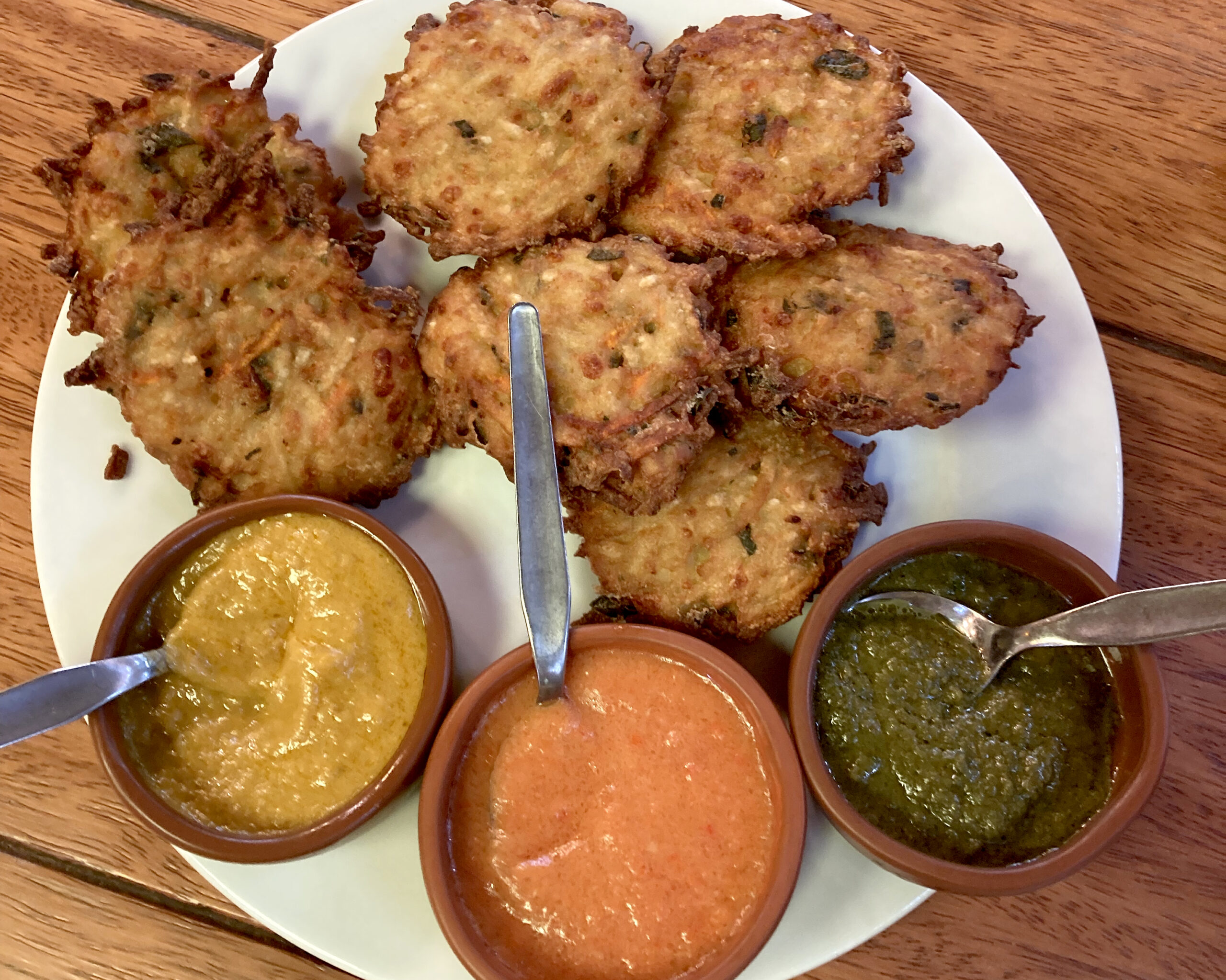
We started the splurge with the vegetable TORREJITAS fitters made with squash and vegetables with sides of ají Amarillo, rocoto and ocopa. A giant jug of CHICHA came to the table to accompany the whole meal, then came the PICANTE DE RES, a beef stew with a red mildly spiced sauce that felt recomforting, minutes later the ALMENDRADO DE PATO it’s another stew with some vegetables on the side and an almond sauce, a portion of PATITAS AL MANÍ, a pork feet stew that dissolves in the mouth the LECHÓN with PASTEL DE PAPA, as she bathes the slow cooked piglet with the sauce she says proudly “this is cooked in only chicha”, and the mouth just waters, before we decided to stop a ROCOTO RELLENO came to the table, it is a stuffed rocoto pepper with a knife sliced beef, pecans and fresh parsley crowned with melted cheese.
SUNDAY SPECIAL
Sunday mornings La Nueva Palomino opens for the special ADOBO, a pork stew served only that day with PAN DE TRES PUNTAS, a bread that has three corners that you use to eat the sauce, each plate comes with a cooked rocoto, that you can break and make your adobo as spicy as you want.
DESSERTS
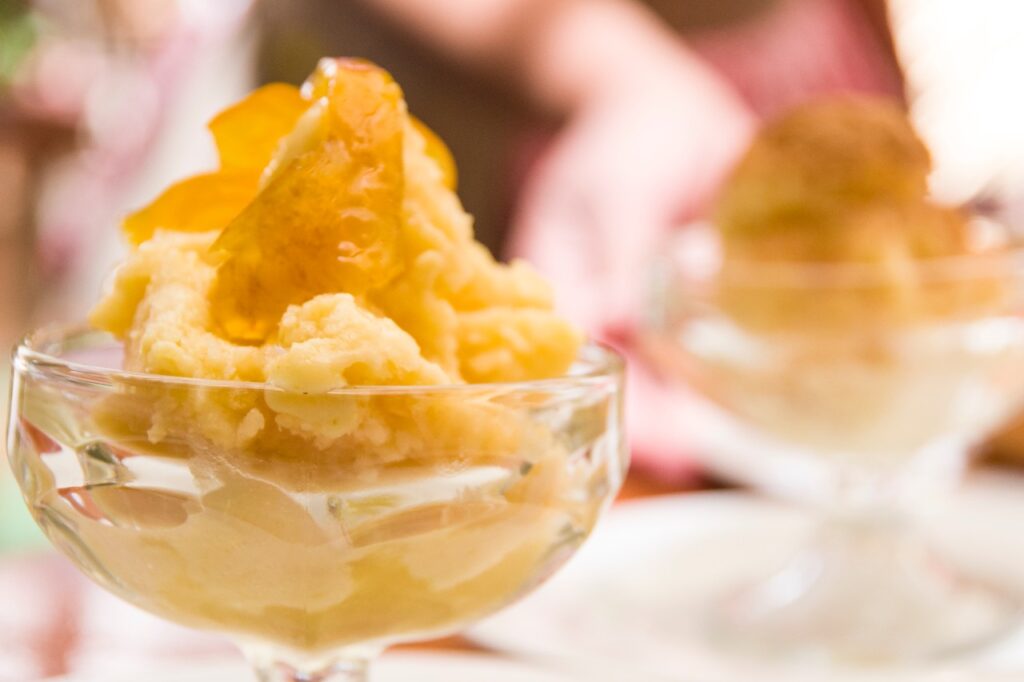
As a journalist friend told us, dessert has a place, not in the stomach but in the heart, in this case the traditional QUESO HELADO with a preserved PAPAYA AREQUIPEÑA was all we needed to end up this meal, and before we could say anything else, BUÑUELOS and PICARONES showd themselves on the table too, they were soft, and flavorful.
LA RECOVA
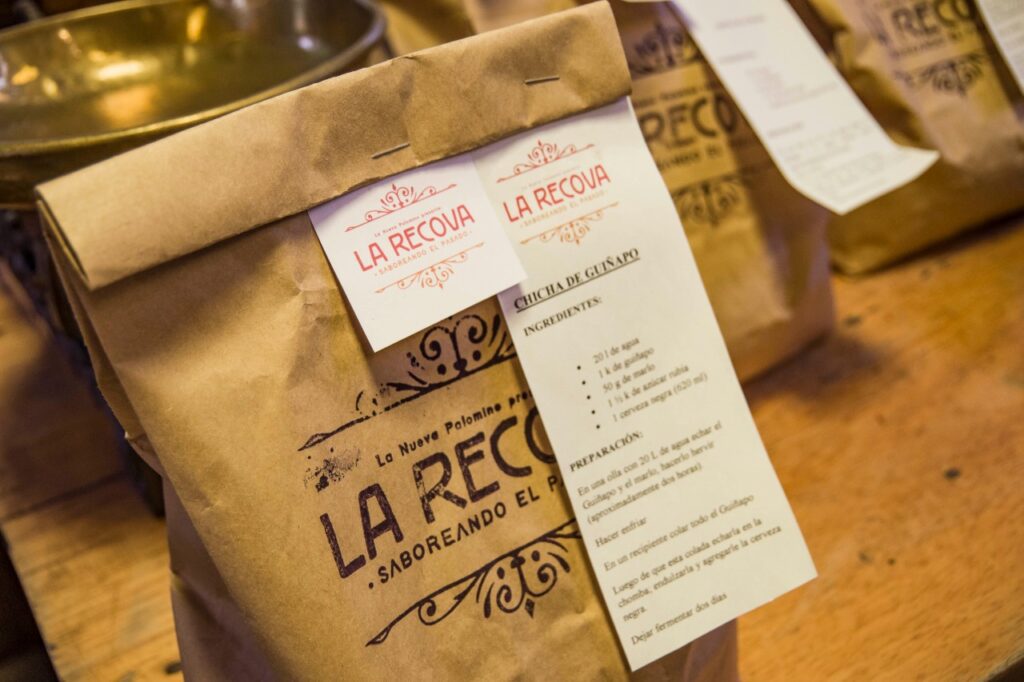
The New Palomino is on a crusade to rescue and share traditional products processed with ancestral techniques that allow for the greatest development of natural umami in the recipes. La Recova, is their new pantry open to the public, is an important step in this journey. Go with a big bag and leave space in your suitcases if you’re just passing through. Ají jaspeado, corn flour, chicha de güiñapo mix, corn flour, mocontullo are part of the ingredients you can take home.
Original Article by Rocío Martinez | All photos by Maria Alejandra Baraybar

