
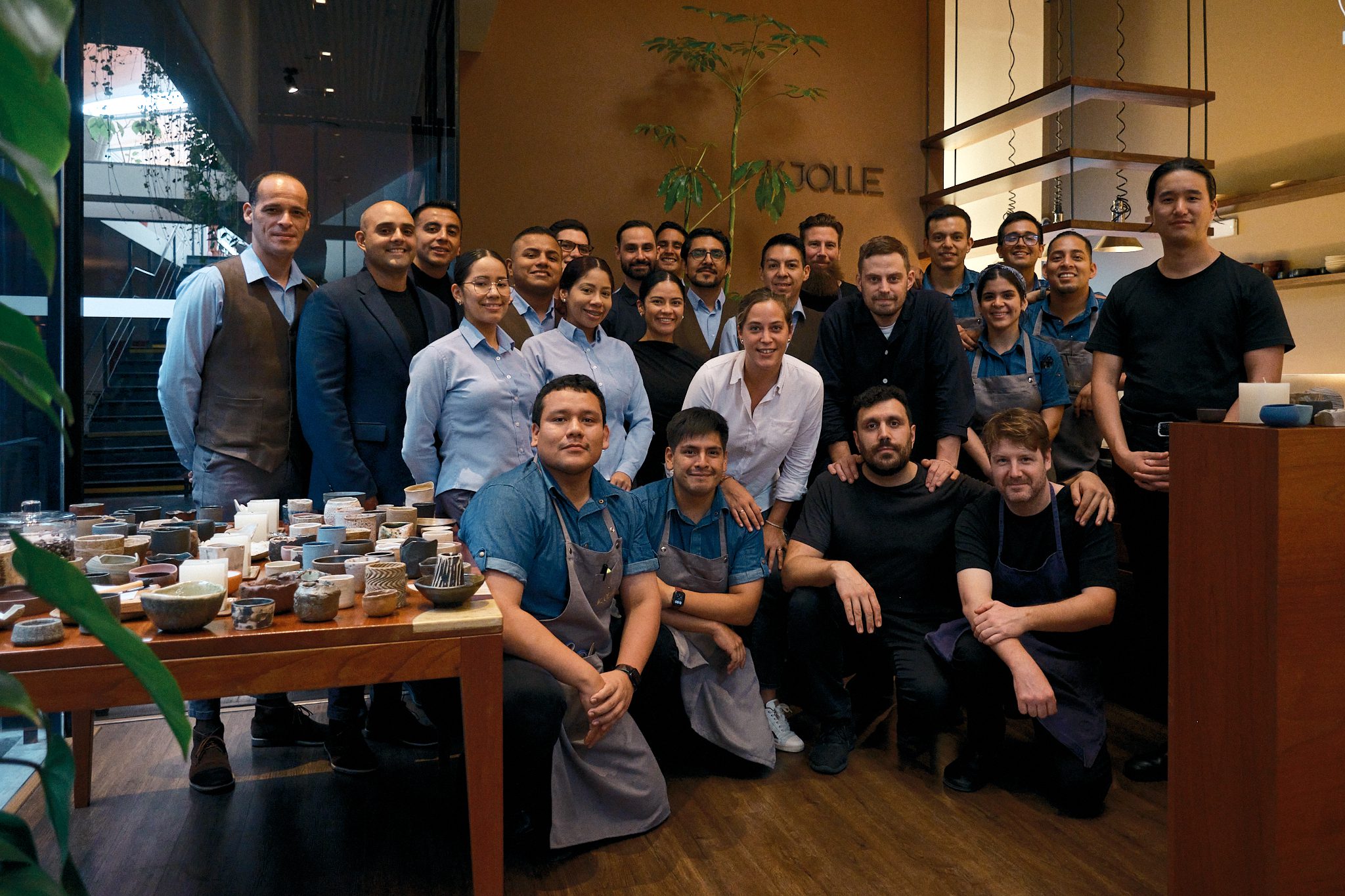
After a few days of exploring, Michelin-star restaurant Keadeau visited Peru in February and prepared a special dinner at Kjolle.
Chef Pia Leon opened her kitchen at Casa Tupac, to allow Kadeau cooks to present the diners with the result of their explorations where Nordic preserves fused with Peruvian fresh ingredients.
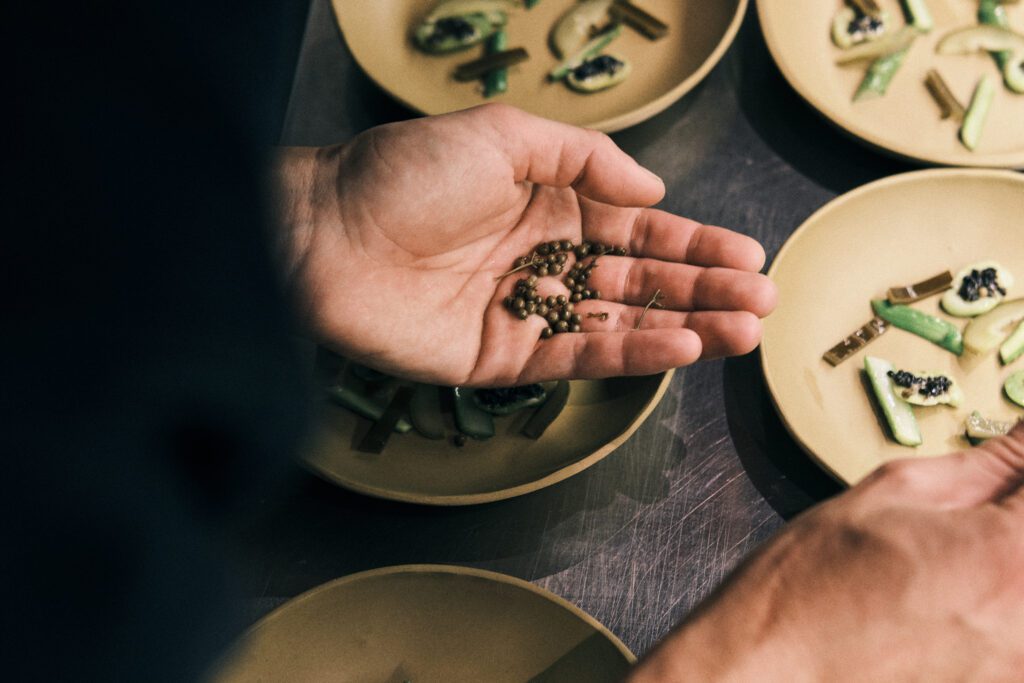
They created an 11-course menu that showed a different way to present flavors and well-used techniques; it began with a salad using plants found in Casa Tupac’s garden. Each bite had a variety of flavors, including oysters, ants, and currants. The second course used different shellfish treated with their preserves, scallops with preserved loquat roses, clams with dried strawberries and plum blossom, and mussels with pollen and salted berries, each with a different fruity shade.
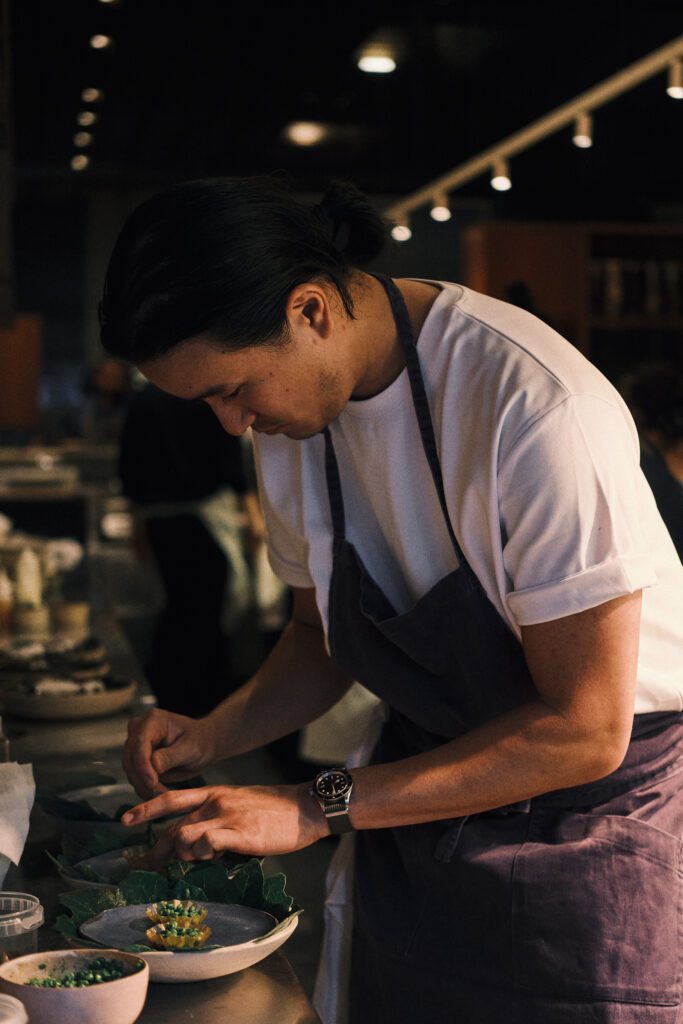
The third course was a tart with field peas and fig with a hazelnut miso base, followed by a Cherry leaf sandwich with cured ham, havgus cheese, beets, and cherry blossoms; the texture of the leaf with the creamy inside was unique, usually not found on a local menu.
A Norwegian shrimp course followed with nut milk, caviar, and rosehip; the rose flavor and the creamy sauce boosted the flavors, and once again, this was a plate with bite variety; each bite was different. Next in line was the popeye —or violet— crab (Platyxanthus orbignyi) with preserved tomato, mirabelle plums, and elderberry blossoms.
Being in Peru, they selected Peruvian tubers, a potato base with buttermilk cheesy sauce, toasted yeast, wild fennel, and rhubarb, a distinct combination of flavors. A cracker made with kombu, buckthorn, and pine pollen followed the potato course, showing how Nordic cuisine has to use as many natural elements as it can during the winter season.
The last savory plate was packed with flavor, pork jowl and calamari, blacked nuts, goat milk creme, and pumpkin-seed miso.
The menu offered two different desserts; the first was a mind-blowing scallop ice cream with quince schnapps, caramel, and blackberries. The blend of sweetness and oceanic flavor was an umami bomb. To finish the experience, preserved fruits, red honey, and double cream were a straightforward presentation of loquat, pears, blacked nut, and fig that presented their way to save summer fruits.
The paring experience was also outstanding; head sommelier Diego Vazques selected from the central cellar five outstanding options from all over the world, a Patagonian Chardonnay and Gewurztraminer, a Chilean Carignan and Monastrell, a Spanish Corpinat, an impressive 19-year-old Nebbiolo, and a slightly bubbly Riesling from Germany. It also included a cocktail made of local amaro, vermouth, and herbs developed by Diego Villagrán.
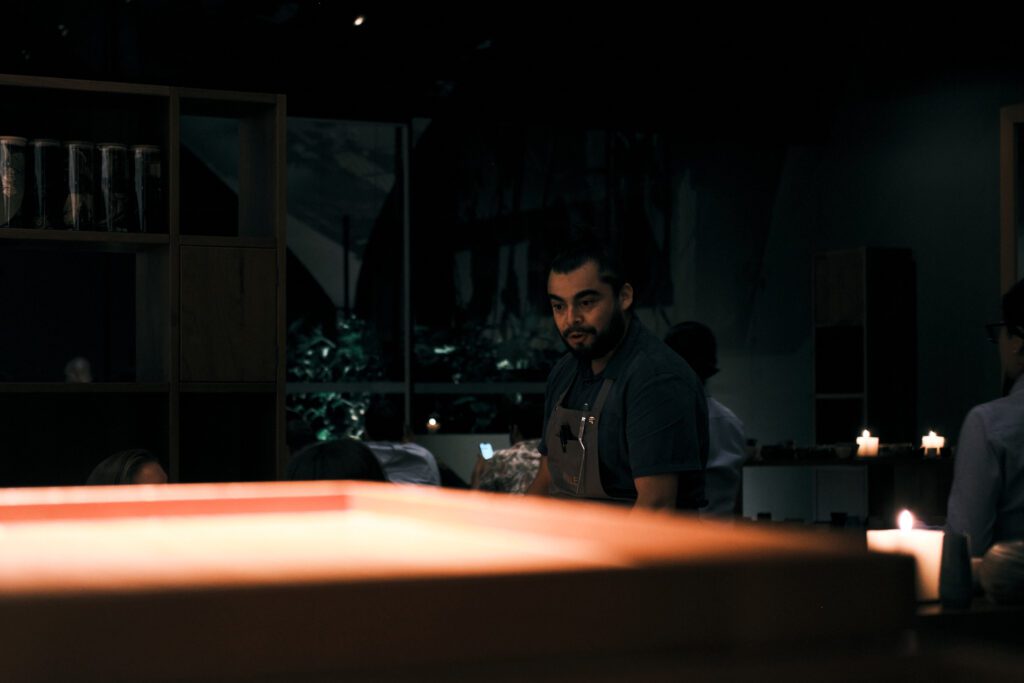
The Generosity of Chef Pía León to open her restaurant allows cooks from the other end of the world to discover what Peru has to offer, show the local diners a different texture and flavor profiles, and, most importantly, a two-way learning experience for the cooks.

